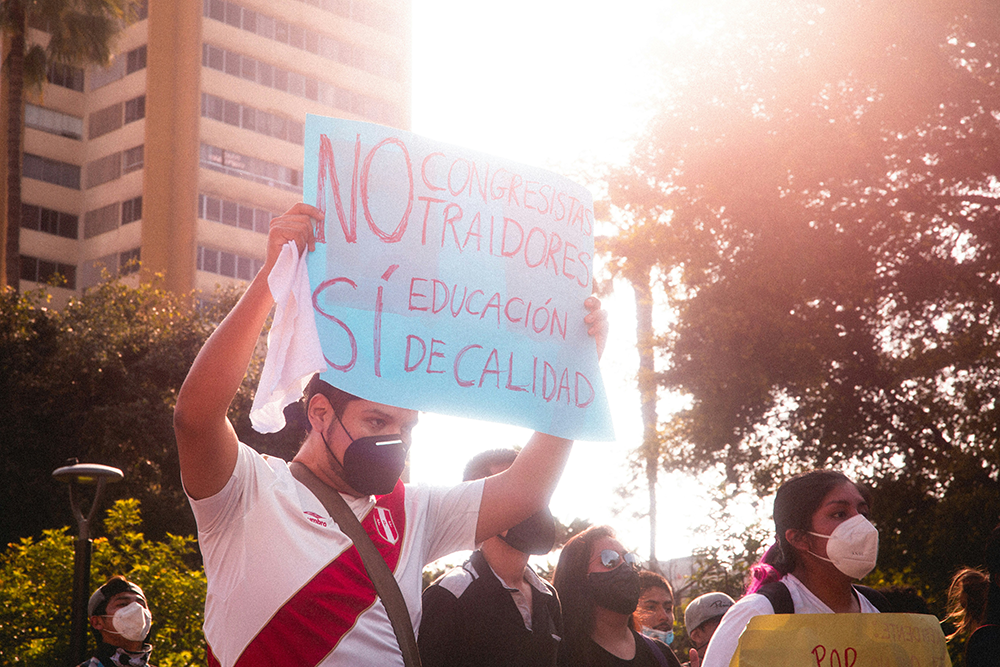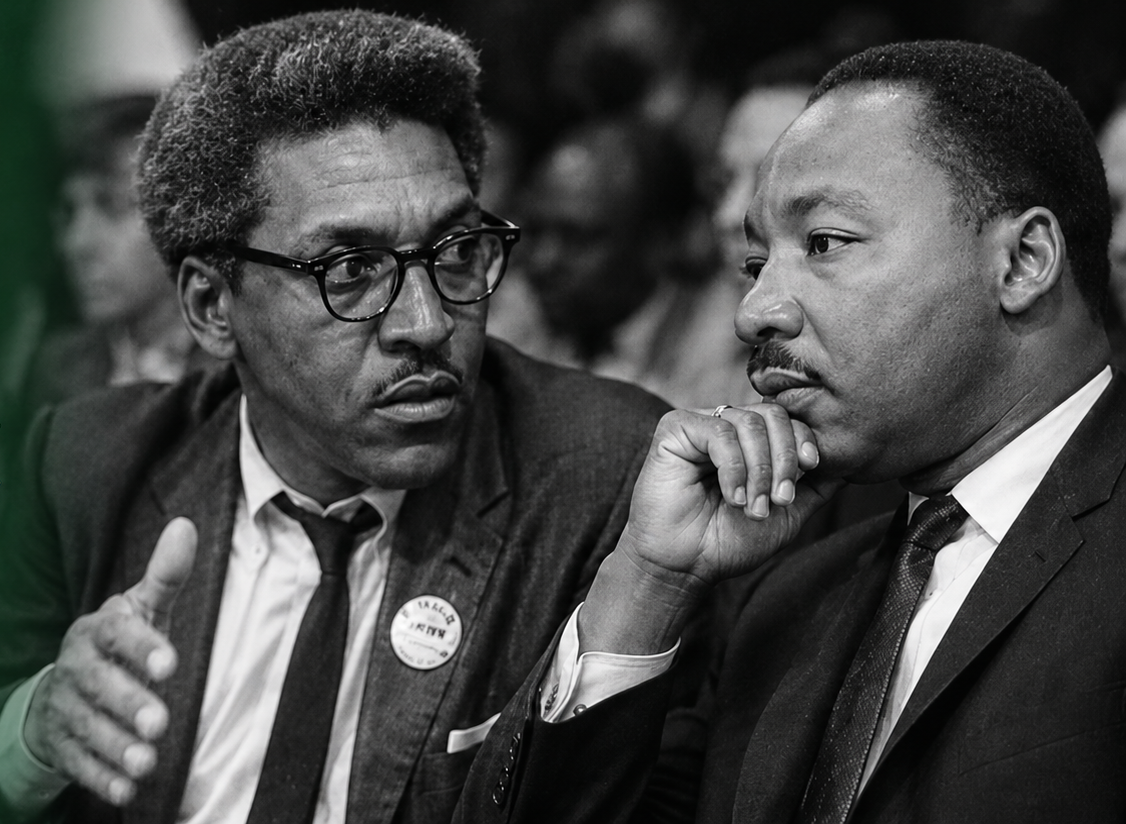

Soccer has long been linked to civil and human rights through the power of teamwork, perseverance, and a commitment to dignity and inclusion. As the world’s most popular sport, the beautiful game brings together people from different cultures, languages, and backgrounds. Beyond the excitement of competition, fans and players alike have creatively harnessed the game to causes and conversations about equality, human rights, and community. From neighborhood pitches to international tournaments, soccer shows us that sports can unite people while inspiring meaningful social change.
A Global Platform for Equality
Throughout its history, soccer has mirrored both society’s challenges and its progress. Athletes, clubs, and organizations have used the sport to confront discrimination and encourage inclusion. Campaigns such as Kick It Out in the United Kingdom, declaring its intention to “put an end to all forms of discrimination within sport,” have raised awareness about racism, sexism, and homophobia in the game, while leagues and governing bodies around the world have introduced initiatives that promote respect and equal opportunity for players and fans alike.
In recent years, individual athletes have played an increasingly important role in this work. Soccer luminaries like Marcus Rashford and Megan Rapinoe have used their platforms to advocate for such issues as food security, equal pay, and gender equity. Their leadership illustrates how athletes can inspire dialogue both on and off the field while encouraging others to engage with and advocate for their communities.
Building Stronger Communities Through Sport
Efforts of this kind extend far beyond professional competition. Community organizations use soccer to foster belonging, leadership, and opportunity for young people. Youth leagues and local programs such as Soccer in The Streets provide youth with access to mentorship, education, and safe spaces where teamwork and mutual respect are encouraged alongside athletic development.
Such projects show that sports can strengthen communities by creating environments where every participant feels valued even as they instill good habits around civic engagement, collaboration, and education – all of which are central to advancing civil and human rights.
Preserving Stories That Inspire Action – The People’s Game at the Center
Museums like the National Center for Civil and Human Rights help preserve the stories that connect sports to broader movements for justice and equality. By documenting the experiences of athletes and communities that have challenged oppression and discrimination, these institutions show how individual actions can help to effect lasting change. The Center provides a brilliant and captivating collection of examples in its newest exhibition, The People’s Game: Soccer and Human Rights, featuring stories from around the globe: the Afghanistan Women’s National Team, Didier Drogba and the Ivory Coast national team during civil war, the FLN Team during Algeria’s fight for independence, refugee youth in Clarkston through Fugees Family, prisoners organizing soccer leagues on Robben Island during apartheid, the U.S. Women’s National Team’s fight for equal pay, and many more.
The exhibition will be on view through June 2027. Come see what inspired and determined people can accomplish in the world of sport and beyond.