
My Passion
What do you care about?
Everyone has a cause they care about. This space helps you learn more about a variety of issues — and take a first step. Click an icon below to find resources and ways to get involved. Use the orange “back to top” button to return to the menu. Come back any time to explore other issues.




additional resources
Take Action: How to get involved.
Content in the Action Lab was developed through the generous support of the Jones Day Foundation.
CLIMATE JUSTICE
Climate change is the term used to describe long-term shifts in temperature, weather patterns, and environmental conditions driven largely by human activity. It encompasses rising global temperatures, changing ecosystems, and more frequent extreme weather events. Questions of responsibility, equity, and collective action shape ongoing discussions about how societies respond to these changes. Examining climate change invites communities and governments to consider how decisions made today affect the stability of the planet and the well-being of future generations.
Climate justice, which is related to climate change, explores the relationship between environmental conditions and human well-being, focusing in particular on how climate change affects different populations. Some communities – often those facing poverty or discrimination – are exposed to more intense pollution, extreme weather events, and environmental hazards. These impacts influence health, housing, food security, and safety.
Criminal Justice
Criminal justice is the term that describes how laws are enforced and how individuals are treated within legal systems. It encompasses police, courts, and correctional facilities. Questions of fairness, accountability, and rights shape ongoing discussions about these systems. Examining criminal justice helps societies consider if and how laws are applied as well as the concept of justice and equality before the law.
Disability Rights
Disability rights address inclusion and equal access in society for people with disabilities. These rights deal with barriers in education, employment, transportation, and public spaces. Disability represents a natural aspect of human diversity. Accessible design and inclusive practices benefit entire communities.
Resources
Book: Being Heumann by Judith Heumann
Book: Being Heumann by Judith Heumann - Amazon
Book: Disability Visibility by Alice Wong
Book: Disability Visibility by Alice Wong – Amazon
Organization: Americans with Disabilities Act National Network
Reporting: NPR – Disability Coverage
Economic Justice
Economic justice examines how resources, opportunities, and economic systems affect different populations. It explores patterns in wealth distribution, employment access, and economic mobility, which influence housing stability, health outcomes, and educational opportunities across communities.
Education
Education systems shape how individuals develop knowledge, skills, and opportunities. Access to educational resources varies across communities even as educational experiences influence career paths, civic participation, and social mobility. Examining the topic of education reveals how societies invest in learning and development of their people.
Resources
Book: Savage Inequalities by Jonathan Kozol
Book: The Sum of Us by Heather McGhee (education chapters)
Organization: National Center for Education Statistics
Reporting: EdWeek Research Center
Documentary: Waiting for Superman
Documentary: Waiting for Superman – Amazon
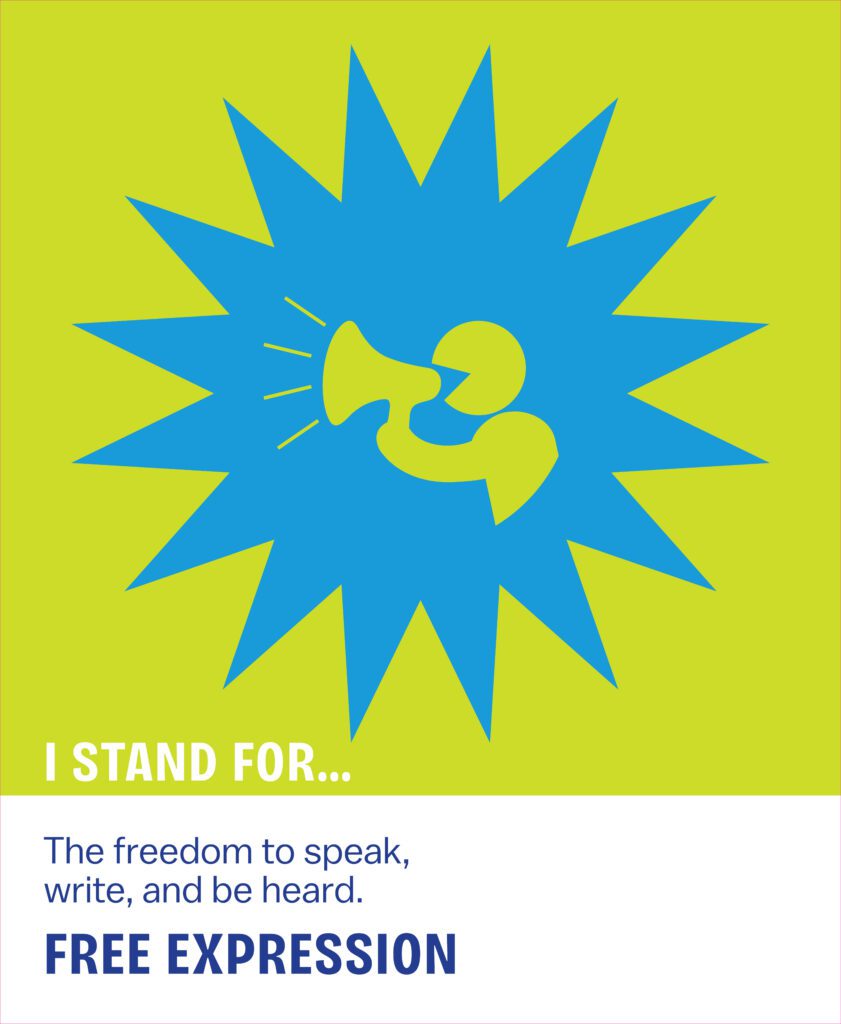
Free Expression
Free expression encompasses the sharing of ideas, opinions, and information through speech, writing, art, and assembly for the advancement of public discourse, creative work, and civic participation.
Societies balance expressive freedoms with other considerations in different ways. Understanding free expression illuminates how ideas circulate and how public conversation functions.
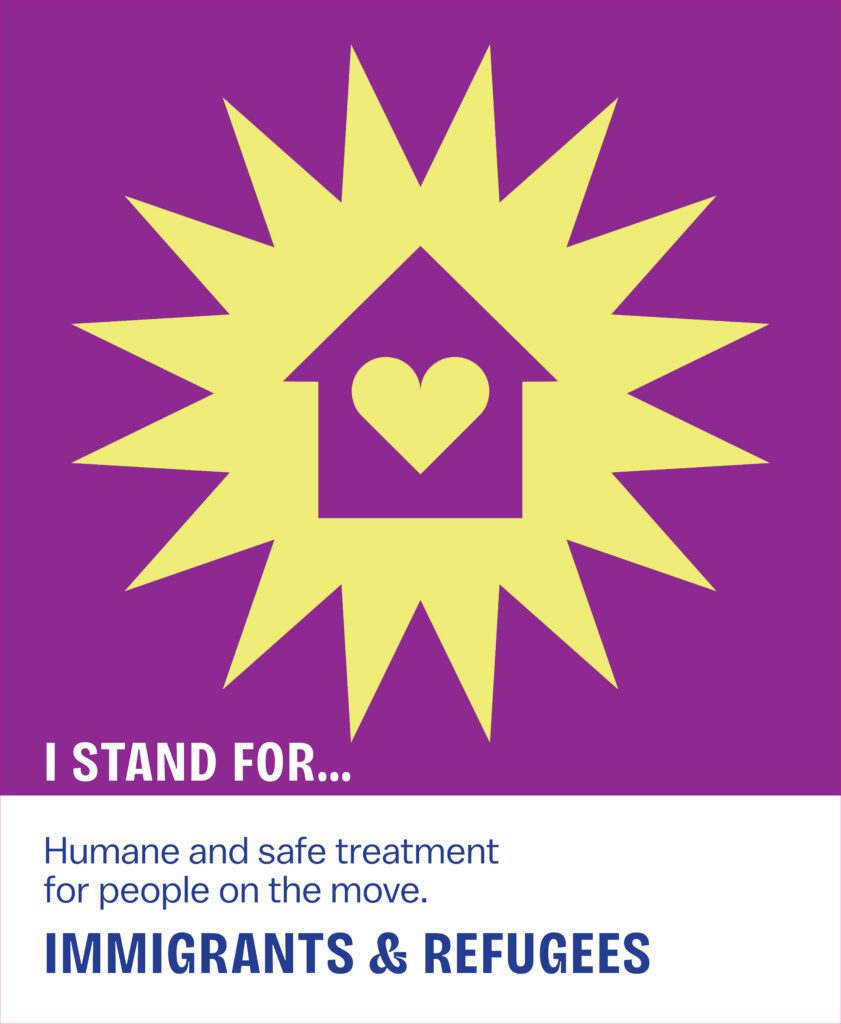
IMMIGRANTS, MIGRANTS AND REFUGEES
Immigrants, migrants and refugees are individuals who relocate across national borders. Refugees flee persecution, conflict, or danger in their home country and have the right to seek safety in another country; this is called asylum. Immigration and migration involve people seeking economic opportunity, family reunification, or new beginnings. Migration patterns shape demographics, culture, and economies. Legal frameworks govern how nations respond to migration.
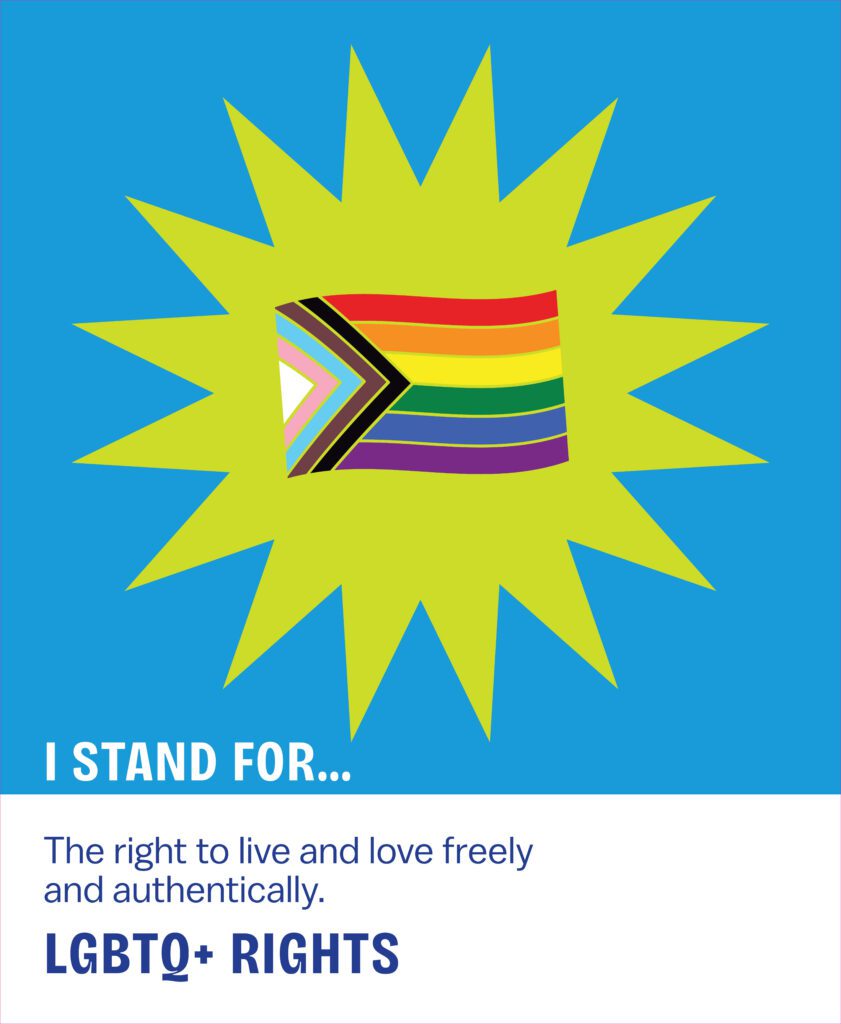
LGBTQ+ Rights
LGBTQ+ rights refer to the legal, social, and cultural protections that shape how lesbian, gay, bisexual, transgender, and queer people are treated within society. They encompass issues such as equality under the law, personal safety, family recognition, and the freedom to live openly without discrimination. Questions of dignity and inclusion are central to these protections. Examining LGBTQ rights helps societies consider who is afforded full citizenship and how justice is defined in everyday life.
Peace & Safety
Peace and safety refers to the conditions that allow individuals and communities to live free from violence, fear, and harm, while enjoying stability, security, and mutual trust. This topic encompasses personal safety, community well-being, conflict prevention, and the protection of human rights during times of peace and crisis. Questions of power, justice, and responsibility shape how societies pursue safety without sacrificing dignity or freedom. Examining peace and safety helps societies consider how security is built, whose safety is prioritized, and how lasting peace depends on fairness, accountability, and cooperation.
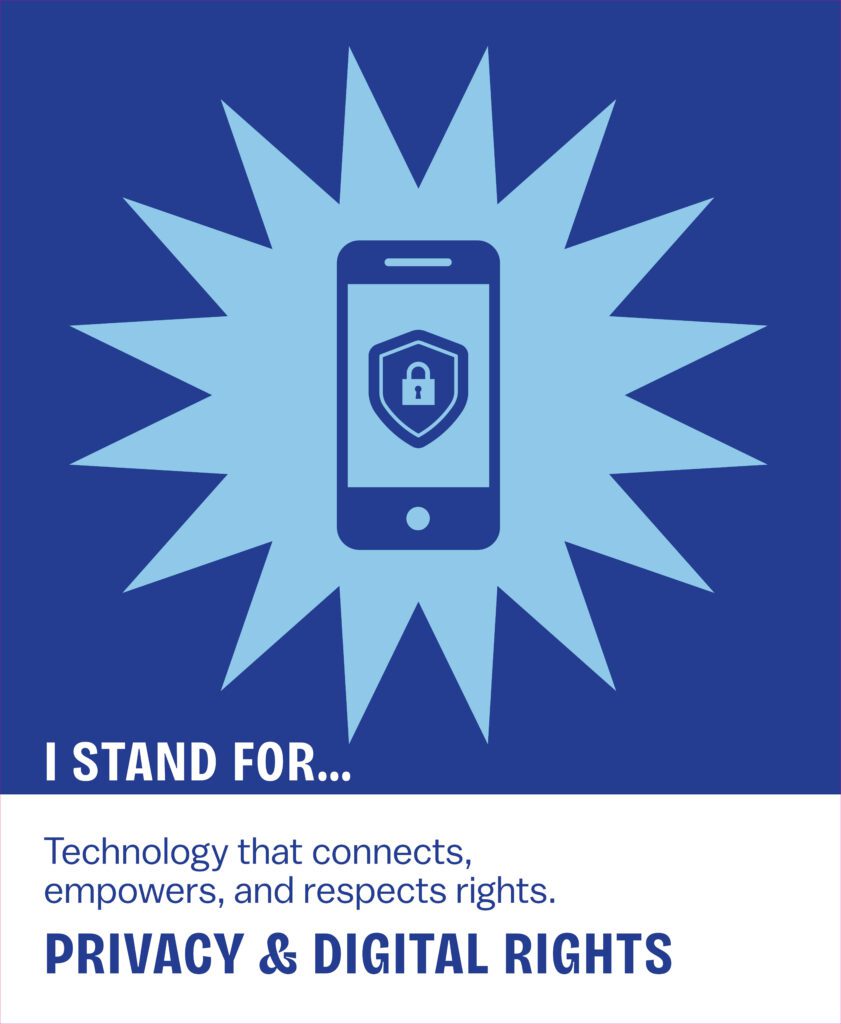
PRIVACY & DIGITAL RIGHTS
Privacy and digital rights refer to the protections that govern how individuals’ personal information is collected, used, and shared in an increasingly connected world. They encompass issues such as data security, surveillance, free expression online, and control over one’s digital identity. Questions of consent, power, and accountability shape ongoing debates about these rights. Examining digital and privacy rights helps societies consider how technological advancement can coexist with personal freedom, autonomy, and democratic values.
Resources
Book: The Age of Surveillance Capitalism by Shoshana Zuboff
Organization: Electronic Frontier Foundation
Organization: Privacy International
Organization: Center for Democracy & Technology
Documentary: The Social Dilemma
Organization: Pew Research Center – Internet & Technolog
Reporting: UN Human Rights Office Report on Privacy in the Digital Age
RACIAL JUSTICE
Racial justice refers to the fair and equitable treatment of people of all racial and ethnic backgrounds within society’s laws, institutions, and everyday practices. It encompasses issues such as equal access to education, employment, housing, health care, and protection under the law. Questions of history, power, and accountability shape ongoing conversations about racial inequality and its persistence across generations. Examining racial justice helps societies confront past and present disparities and consider what it means to uphold dignity, fairness, and equal opportunity for all.
Resources
Book: Caste by Isabel Wilkerson
Book: The Color of Law by Richard Rothstein
Organization: Equal Justice Initiative
Documentary: Eyes on the Prize
Documentary: I Am Not Your Negro
Documentary: I Am Not Your Negro - Amazon
Organization: Pew Research Center – Race & Ethnicity
Organization: Smithsonian National Museum of African American History and Culture
THE RIGHT TO HEALTH
The right to health refers to the principle that every person is entitled to the conditions necessary to achieve physical and mental well-being. It encompasses access to quality health care, safe environments, nutritious food, clean water, and reliable information, as well as freedom from discrimination in health systems.
Questions of equity, responsibility, and public policy shape ongoing debates about how this right is realized in practice. Examining the right to health helps societies consider how health outcomes are shaped not only by medicine, but by social, economic, and environmental conditions.
Resources
Book: An American Sickness by Elisabeth Rosenthal
Book: An American Sickness by Elisabeth Rosenthal – Amazon
Book: The Spirit Catches You and You Fall Down by Anne Fadiman
Book: The Spirit Catches You and You Fall Down by Anne Fadiman - Amazon
Organization: World Health Organization
Organization: Kaiser Family Foundation
Organization: Centers for Disease Control and Prevention
Documentary: Unnatural Causes: Is Inequality Making Us Sick?
VOTING & DEMOCRACY
Voting and democracy refer to the systems and practices through which people participate in collective decision-making and hold governing institutions accountable. They encompass the right to vote, fair and transparent elections, equal representation, and public trust in democratic processes. Questions of access, integrity, and inclusion shape ongoing debates about how democracy functions in practice. Examining voting and democracy helps societies consider how power is distributed, whose voices are heard, and how civic participation sustains self-government.
Resources
Book: How Democracies Die by Steven Levitsky & Daniel Ziblatt
Book: How Democracies Die by Steven Levitsky & Daniel Ziblatt - Amazon
Organization: Brennan Center for Justice
Organization: International Institute for Democracy and Electoral Assistance
Organization: The Carter Center
WOMEN’S RIGHTS
Women’s rights refer to the legal, social, and economic protections that ensure women and girls are able to participate fully and equally in society. They encompass issues such as bodily autonomy, equal pay, access to education and health care, freedom from violence, and political representation. Questions of equality, power, and cultural norms continue to shape debates about how these rights are realized in practice. Examining women’s rights helps societies assess progress toward gender equity and consider what justice and opportunity mean across different contexts and generations.