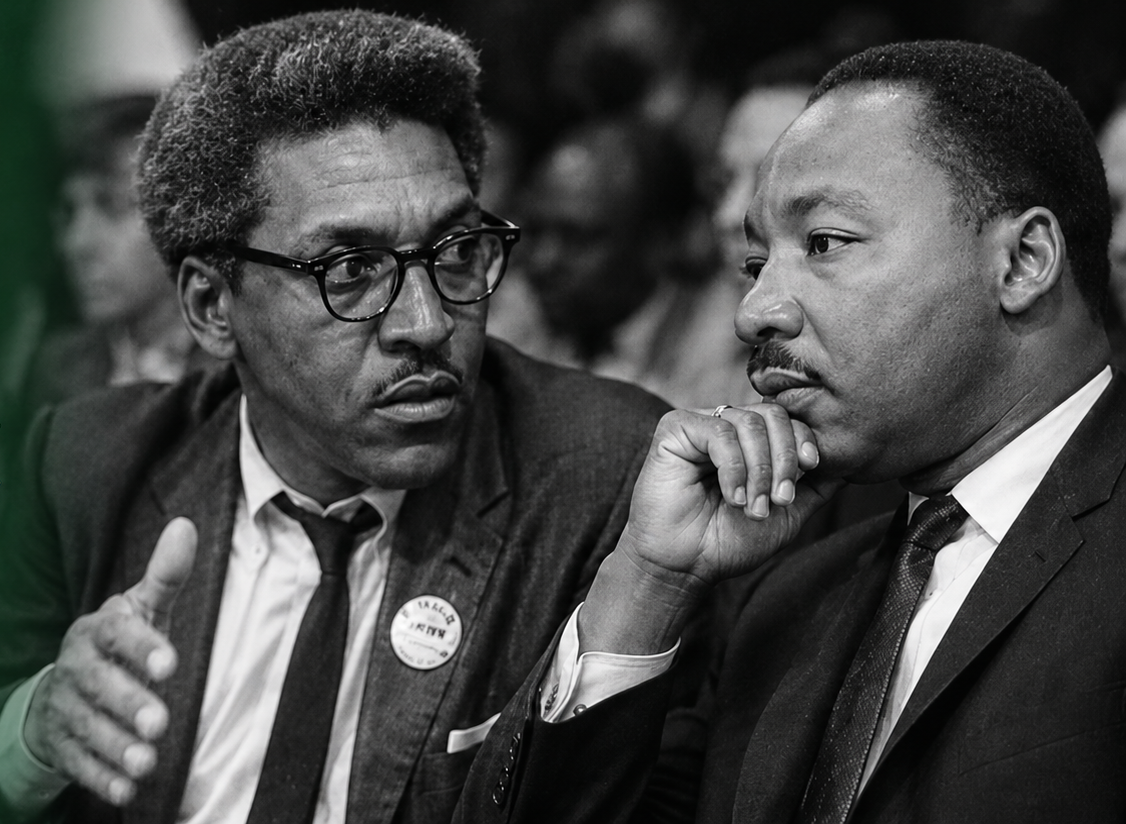

In today’s fast-evolving workplace, inclusive leadership isn’t just a nice-to-have — it’s a strategic advantage. As organizations navigate generational shifts, global expansion, and rapidly changing employee expectations, the ability to lead inclusively sets top performers apart. But what does inclusive leadership really mean in today’s context, and how does it differ from traditional management styles?
What Is Inclusive Leadership?
Inclusive leadership is the practice of actively recognizing and valuing the unique perspectives, identities, and contributions of every team member. It means fostering an environment where people feel respected, seen, and empowered to speak up and thrive — regardless of their background, role, or experience.
Today’s inclusive leaders don’t just “tolerate” diversity — they champion it. They understand that building diverse teams is key to unlocking innovation, resilience, and sustainable growth. Research consistently shows that diverse, inclusive teams outperform their peers in creativity, decision-making, and employee engagement.
Inclusive Behaviors vs. Traditional Management
Traditional management models often prioritize efficiency, hierarchy, and conformity. While these traits served organizations well in the past, they can stifle creativity and marginalize underrepresented voices in a modern, multicultural workforce.
Inclusive leadership, on the other hand, prioritizes:
- Empathy over authority
- Listening over directing
- Collaboration over control
- Curiosity over assumptions
Inclusive leaders intentionally seek out differing viewpoints and foster psychological safety, so all team members feel empowered to contribute. They disrupt bias in decision-making and hold themselves accountable for equity across hiring, promotions, and team dynamics.
How to Develop and Sustain Inclusive Leadership Skills
Inclusive leadership is not a fixed trait — it’s a practice. Here’s how to start building your inclusive leadership muscle:
- Self-awareness and education
Acknowledge your own biases and take time to learn about others lived experiences. Inclusion starts with personal growth.
- Active listening
Make space for every voice. Ask open-ended questions and listen with the intent to understand, not just respond.
- Model inclusive behaviors
Set the tone from the top. Recognize diverse contributions, celebrate differences, and intervene when exclusion occurs.
- Embed inclusion into systems
Inclusive leadership isn’t just about attitude — it’s about action. Review hiring, evaluation, and team processes through an equity lens.
- Commit to ongoing learning
Inclusion is a journey, not a destination. Stay curious, seek feedback, and invest in regular training and coaching.
Your Next Step
Culture Connections specializes in helping leaders unlock the power of inclusive leadership to build high-performing, diverse teams that drive results. Whether you’re leading a small team or transforming an entire organization, inclusion can be your greatest asset. You can experience the value of this program onsite at The Center in downtown Atlanta at a physical location of your choosing, or virtually.
To learn more, go to CultureConnections or call 720-581-1436.