
The National Center for Civil and Human Rights Opens Landmark Soccer and Human Rights Exhibition for FIFA World Cup 2026™
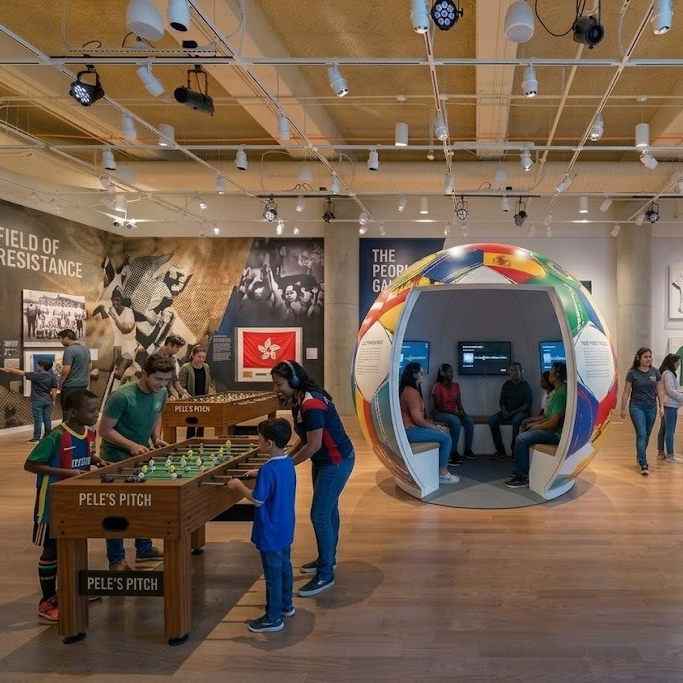
Immersive exhibit opening June 20 explores how the “people’s game” is a powerful force for belonging, activism, and connection ATLANTA (June 9, 2026) – As Atlanta prepares to welcome global visitors for World Cup 2026™, the National Center for Civil and Human Rights (Center) will open The People’s Game: Soccer and Human Rights, a landmark new exhibition exploring how fans, players, and teams leverage soccer into a force for dignity, community, and social change. Opening June 20 and on view for one year, the exhibition is presented with support from Gallagher and the Arthur M. Blank Family Foundation in partnership with Atlanta United. “As Atlanta prepares to welcome the world for FIFA World Cup 2026, we have an extraordinary opportunity to showcase not only our passion for soccer, but also the values that define our city. The People’s Game highlights the power of sport to bring people together across cultures, create a sense of belonging and inspire positive change. We are proud to support an exhibition that reflects Atlanta’s spirit of inclusion and service while inviting visitors from around the globe to explore the connections between soccer, community and human dignity.” -Arthur M. Blank, Chairman, Arthur M. Blank Family Foundation The People’s Game exhibition includes connections to globally recognized players, clubs, and movements including Pelé, Megan Rapinoe, Didier Drogba, Corinthians, FC St. Pauli, Bayern Munich, and Atlanta United. Curated by Daniel Fuller, Director of Curation at the Center, The People’s Game exhibition brings together immersive storytelling, global artifacts, photography, sound, film, and interactive experiences—including a new take on foosball—that explore the cultural power of soccer far beyond the pitch. Visitors will encounter an immersive “Audio Dome” featuring voices from players, supporters, activists, refugees, historians, and community leaders from around the world reflecting on how soccer shapes social movements. The exhibition also features stories connected to anti-apartheid activists in South Africa, democracy movements in Brazil and Côte d’Ivoire, refugee and immigrant communities, and supporter groups using soccer as a platform for inclusion and social change. “Soccer is the world’s most popular sport, but its importance extends far beyond the game itself,” said Daniel Fuller, curator of The People’s Game: Soccer and Human Rights. “Across generations and continents, football has become a language through which people express identity, build community, resist oppression, and imagine a more just world.” Arriving during a period of intense global debate around migration, nationalism, race, gender, and labor in sport, the exhibition examines how soccer continues to reflect broader struggles over belonging and human dignity. The exhibition highlights Atlanta’s role as a global crossroads shaped by migration, activism, and the growing cultural impact of soccer. Featured stories include Soccer in the Streets; the refugee-centered work of Fugees Family in Clarkston, GA; and artifacts connected to Atlanta United’s community impact. Also located inside the museum, visitors will experience a special display of more than 20 signed jerseys from legendary players including Lionel Messi, Cristiano Ronaldo, and Pelé, celebrating the sport’s lasting global influence. To help welcome international audiences expected during World Cup 2026™, the Center is also launching MIA, a new AI-powered multilingual interpretation application developed in partnership with The Legacy Line, an Atlanta-based immersive technology company. Accessible through visitors’ mobile phones, the platform instantly translates exhibition content into more than 30 languages through text and audio experiences available throughout the museum. “We believe stories about dignity and human rights should be accessible and meaningful to people from every background,” said Jill Savitt, CEO of the National Center for Civil and Human Rights. “As the world comes to Atlanta, this exhibition shows how soccer can bring people together across cultures and borders while reminding us that ordinary people have the power to strengthen communities and shape history.” The People’s Game: Soccer and Human Rights opens June 20 at the National Center for Civil and Human Rights and will remain on view for one year. For tickets and information, visit civilandhumanrights.org/soccer-and-human-rights. About the National Center for Civil and Human Rights The National Center for Civil and Human Rights is a museum and cultural organization that inspires the changemaker in each of us. Opened in 2014, the Center connects American civil rights history to global human rights movements today. Our experiences highlight people who have worked to protect rights and who model how individuals create positive change. For more information, visit civilandhumanrights.org. Follow us on Facebook, X, Instagram @civilandhumanrights and LinkedIn at linkedin.com/company/ncchr. Media Contact: Tenisha Griggs Chief Marketing Officer [email protected]
The National Center for Civil and Human Rights Welcomes New Board Member
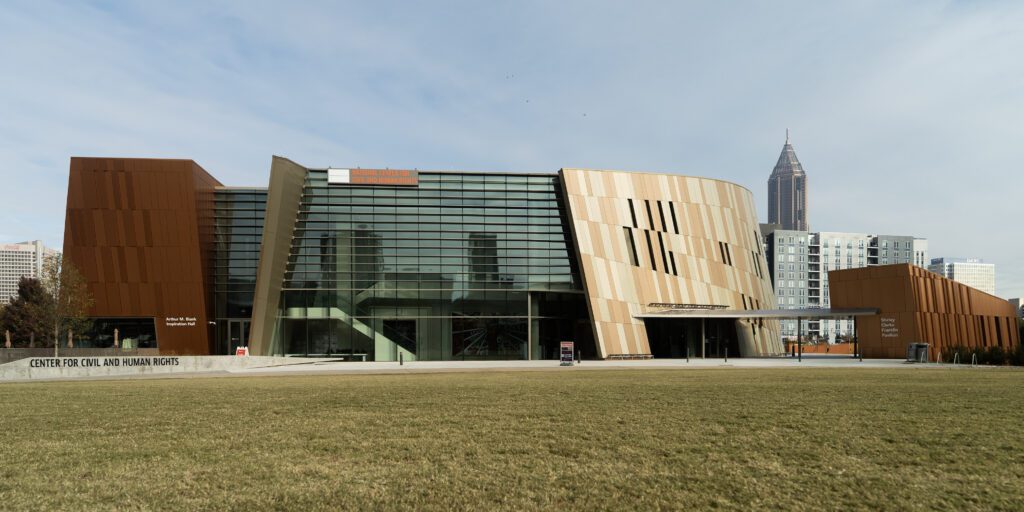
ATLANTA – June 4, 2026 – The National Center for Civil and Human Rights is pleased to announce the appointment of Joel L. Pascaner to its board of directors. As with all Center directors, Pascaner will serve two three-year terms. “We are delighted Joel has joined us,” said Jill Savitt, the Center’s President and CEO. “He has long been a champion of the Center and believes deeply in all that we do.” Pascaner, a Principal with Jones and Kolb, is a member of the New York State Society of Certified Public Accountants (NYSSCPA), the American Institute of Certified Public Accountants (AICPA), the Atlanta Tax Forum, and the Atlanta Estate Planning Council. He brings more than 40 years of accounting experience to the Center’s board. He joins the Atlanta institution at a pivotal moment, with the Center recently reopening after a $58 million expansion that included two new wings. “I intend to assist in the evolution of this newly renovated and state-of-the-art facility,” said Pascaner. “I want to help ensure that it becomes the highly respected organization that it deserves to be, as well as the primary source and national destination for civil and human rights from a cultural, educational, and ethical perspective.” About the National Center for Civil and Human Rights NCCHR is a museum and cultural organization that inspires the changemaker in each of us. Founded in 2014, NCCHR connects US civil rights history to global human rights around the world today. Our immersive and empathy-building experiences highlight people who have worked to protect rights and who model how individuals create positive change.
Saturday Adventures at the Center: Family Learning Experiences That Inspire

In today’s fast-moving world, finding meaningful ways to spend time as a family can be challenging. The National Center for Civil and Human Rights — just in time for summer vacation — has an answer: introducing Saturday Adventures, a new program that offers families a chance to slow down, learn together, and build lasting memories rooted in education and community. Based in our newly opened Change Agent Adventure: Children’s Gallery, no two Saturdays will be the same. One may feature a children’s author reading stories about courage and community; another may include arts & crafts and other creative activities that encourage self-expression and teamwork. What they all have in common is a magical fusion of learning and creativity that sparks curiosity in young visitors while introducing them to themes of fairness, empathy, and civic engagement. Our Saturday Adventures also create opportunities for meaningful family conversations. Parents and caregivers can use exhibits and activities as starting points to discuss topics such as equality, kindness, and standing up for others. Such moments of dialogue have the additional benefit of helping children build confidence in asking questions and sharing their thoughts – possibly leading to grown-ups learning a thing or two themselves. The Center’s Saturday Adventures show, in a way that can’t be missed, how our museum is the Southeast’s premier space for discovery, dialogue, and family connection. Through storytelling, creativity, and shared learning, these family learning experiences at the Center help young people become thoughtful, engaged community members. By making time for these experiences, families help keep the values of empathy, education, and human dignity alive for future generations. _________________________________________________________________ Your Saturday Must-Have: Saturday Adventures at the Center Finding Balance is Difficult, but Not Impossible Finding balance in a busy work week can be difficult. If a majority of your time is spent at a job Monday through Friday, then Saturdays should be spent differently. Saturdays should be spent with the family! Come press pause with us at our Saturday Adventures as you take a break from the fast-paced nature of the work week. At the National Center for Civil and Human Rights, we encourage families to “make new traditions,” as you explore, learn, and grow together. “Your Families’ New Saturday Tradition” “Your families’ new Saturday tradition,” is how we like to think of our Saturday Adventures. We know that after one visit, you will think of it this way too! Our Children’s Gallery offers an interactive experience curated for kids ages twelve and under. We prioritize creating young changemakers and we aim to do so by sparking curiosity and encouraging connection through our family programming. Saturday Adventures offer storytimes, arts & crafts, and activities for kids and their guardians. No Saturday is like the one before; each Saturday, there is something new to explore! From hands-on activities that teach kids how to express themselves to special story reading sessions led by the authors themselves. There’s something for everyone here. Not sure when you want to visit? Here are the next upcoming dates: May 16th 10:00a – 4:00p May 23rd 10:00a – 4:00p May 30th 10:00a – 4:00p An Environment Designed to Evoke Change We look forward to creating new traditions with you. What better environment to do it in? The weekday is filled with its own tasks, schedule building your kid’s confidence for Saturdays at Saturday Adventures. A small change in your routine can make a greater impact than you may think and a connection you didn’t expect. For more information regarding registering for Saturday Adventures, visit our website.
Asian American and Pacific Islander Civil Rights Activists to Know This AAPI Heritage Month
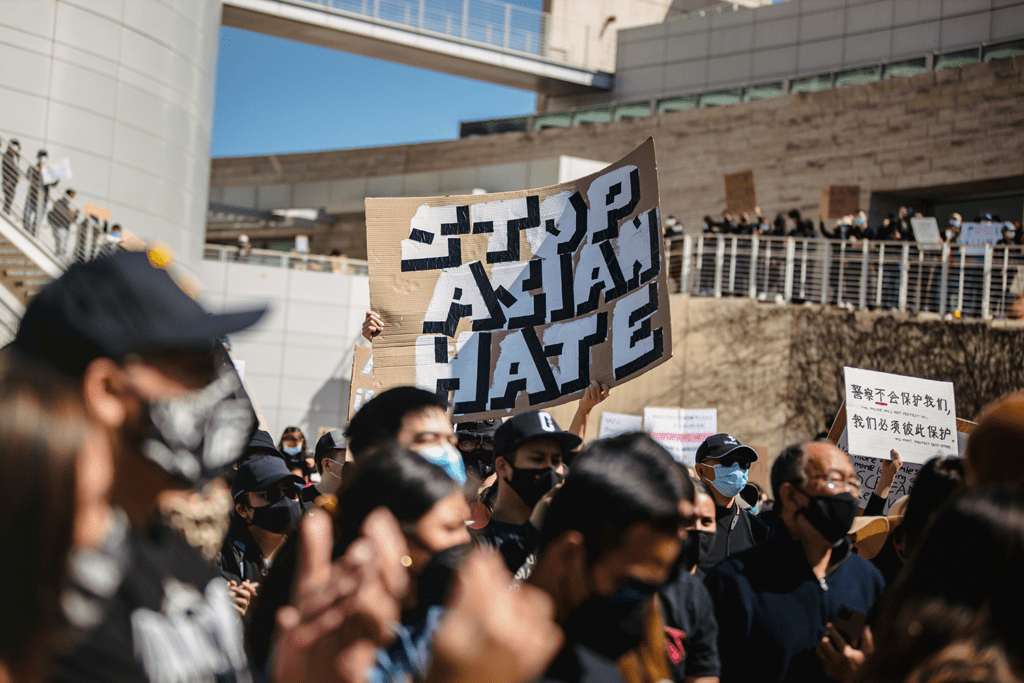
Every May, people across the country celebrate Asian American and Pacific Islander Heritage Month by honoring the stories, cultures, and contributions of AAPI communities. Learning about Asian American civil rights activists helps us recognize the historical threads that connect the past to the ongoing fight for equality, education, and human rights. From labor organizing to disability justice and youth activism, these leaders helped advance conversations that still matter today. Building Movements Through Community and Courage Yuri Kochiyama spent her life advocating for racial justice, anti-war efforts, and solidarity between communities. After experiencing the internment of Japanese Americans during World War II, she became deeply involved in civil rights activism and worked alongside Black, Latino, and Asian organizers to promote human dignity and equality. Larry Itliong helped organize farmworkers in California during the 1960s. Alongside fellow labor leaders, he fought for fair wages and safe working conditions for agricultural workers. His example reminds us of the deep connection between labor rights and human rights. Grace Lee Boggs dedicated more than 70 years to community organizing and social change. Based in Detroit, she focused on education, civic engagement, and neighborhood empowerment. Her work encouraged people to consider how collaborative efforts across disparate communities can create lasting change. Voices for Representation and Justice Patsy Mink became the first woman of color elected to the United States Congress in 1964. She co-authored Title IX, a landmark law that expanded educational and athletic opportunities for women and girls. Her legacy continues to shape conversations about equal opportunity in schools and universities today. Helen Zia has spent decades advocating for civil rights, gender equity, and Asian American visibility. Through her journalism and advocacy, she played a major role in having federal civil rights charges brought against the killers of Vincent Chin in a notorious 1982 case, a moment that galvanized Asian Americans against hate and discrimination. Author Alice Wong is a modern leader in disability justice and digital storytelling. Through community projects and public advocacy, she highlights the importance of accessibility, representation, and inclusion for disabled people across all communities. Why These Stories Matter Today The stories of these Asian American civil rights activists remind us that history is not only something we study in books or museums; it is a vital force that continues to shape our communities, conversations, and responsibilities today. At museums and cultural institutions like the National Center for Civil and Human Rights, storytelling helps preserve voices that may otherwise be overlooked while inspiring future generations to engage with issues of justice and equality. This AAPI Heritage Month, taking time to learn about these leaders can encourage dialogue, deepen understanding, and strengthen connections across communities. Their work, through education, empathy, and collective action, continues to light the way to a more inclusive future for all.
Serving After the Service: Honoring Veteran Civil Rights Activists Who Changed America
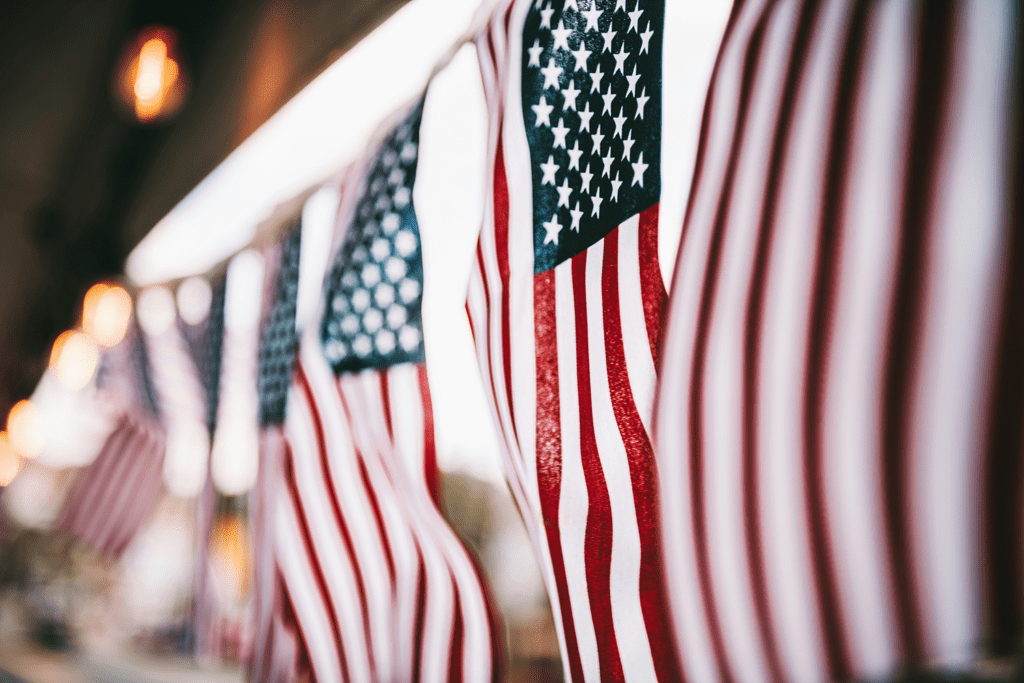
Memorial Day and Armed Forces Day encourage us to honor and pay respects to those we’ve lost and to our living veterans for their military service and sacrifice. Here at the Center, we would like to recognize veteran civil rights activists who continued serving their communities long after returning home. Across different ethnicities, backgrounds, and generations, many veterans became powerful voices for equality, education, and human rights. Veterans Who Fought for Rights at Home One influential veteran activist was Medgar Evers, an African American Army veteran who served during World War II before becoming a leading figure in the Civil Rights Movement. After returning home, Evers worked with the NAACP as one of the organization’s first field secretaries in Mississippi. He organized voter registration efforts, supported boycotts against segregated businesses, and challenged racial discrimination throughout the South. Latino communities were also served by veteran activists such as Hector P. Garcia. After serving in World War II, Garcia founded the American GI Forum in 1948 to advocate for Mexican American veterans facing discrimination in healthcare, housing, and education. His work helped bring national attention to the unequal treatment many Latino veterans experienced after military service. Another major figure was Daniel Inouye, a Japanese American veteran who served in the highly decorated 442nd Regimental Combat Team during World War II. After the war, Inouye became a strong advocate for civil liberties and representation, eventually serving for decades in the U.S. Senate and helping break barriers for Asian Americans in public service. Ira Hayes, a member of the Pima Nation and one of the six Marines immortalized in the iconic photograph of the raising the American flag at Iwo Jima, also became part of a larger story surrounding Native American military service. Hayes’ experiences highlighted the challenges many Indigenous veterans faced after returning home, including discrimination and limited support systems. Veteran Activists Connected to Atlanta Atlanta has long been a center for civil rights leadership, education, and community activism. Veteran leaders connected to the city helped shape both local and national movements for justice and equality. One of those leaders was Hosea Williams, who served in the U.S. Army during World War II before becoming a major organizer in the Civil Rights Movement alongside Martin Luther King, Jr. Williams played a key role in voting rights campaigns, economic justice initiatives, and community activism throughout Atlanta and the South. Another of Atlanta’s great civil rights leaders is Andrew Young, who served in the Army before becoming a civil rights strategist, diplomat, U.S. ambassador, and two-term mayor of Atlanta. Young’s work connected local activism in Atlanta to broader global conversations about human rights and equality. Why These Stories Matter Today Museums like the National Center for Civil and Human Rights in Atlanta help preserve and share these stories through exhibits, dialogue, and community learning. As Memorial Day and Armed Forces Day are observed this May, reflecting on these leaders’ accomplishments moves us toward a deeper understanding of courage, sacrifice, leadership, and community responsibility while shining a light on an often overlooked intersection of military service with social change that has occurred throughout American history.
6 Inspiring Mothers to Honor This Mother’s Day: Women Who Transformed Civil and Human Rights, Justice, and Equality

This Mother’s Day, we recognize the remarkable contributions of mothers who have shaped movements for justice, equality, and human rights. Their stories remind us of the power of individual and collective action to create lasting change. Voices That Changed History Coretta Scott King: Famed throughout the world as the wife of Dr. Martin Luther King, Jr., Coretta Scott King was a powerful leader in her own right. After her husband’s assassination, she worked tirelessly to keep his legacy alive and founded the Martin Luther King, Jr. Center for Nonviolent Social Change. Coretta Scott King also championed LGBTQ+ rights, advocated for economic justice, and fought against apartheid in South Africa. Fannie Lou Hamer: Fannie Lou Hamer was a fearless voting and civil rights activist who co-founded the Mississippi Freedom Democratic Party to challenge racial segregation in politics. Enduring violence and constant death threats, Hamer fought for African Americans’ right to vote and against economic inequality. Her address to the 1964 Democratic National Convention yielded her most celebrated quote, an imperishable line that would become a rallying cry for justice: “I’m sick and tired of being sick and tired.” Advocating for Equality and Opportunity Ruth Bader Ginsburg: The second woman appointed to the U.S. Supreme Court, Ruth Bader Ginsburg spent her career fighting for women’s rights and gender equality. Before joining the Court, she co-founded the Women’s Rights Project at the ACLU, argued landmark cases on gender discrimination, and as a Justice, dissented forcefully on issues from reproductive rights to equal pay. Betty Friedan and Gloria Steinem: Betty Friedan’s book, “The Feminine Mystique,” ignited the modern feminist movement, and she co-founded the National Organization for Women (NOW). Gloria Steinem, a journalist and activist, co-founded Ms. Magazine and worked for decades to advance women’s rights, reproductive freedom, and social justice. Their leadership inspired generations to push for equality. A Global Perspective on Human Rights Dolores Huerta: Dolores Huerta is a labor leader and civil rights activist who co-founded the United Farm Workers (UFW), one of the nation’s largest farmworkers’ unions. Fighting for better wages, safer conditions, and overtime pay for documented and undocumented migrant farmers, Huerta’s advocacy helped secure safer working conditions, better wages, and protections for farmworkers and their families. Rigoberta Menchú: Rigoberta Menchú is a K’iche′ Maya woman from Guatemala who won the Nobel Peace Prize in 1992 for her work defending Indigenous peoples’ rights. A survivor of the Guatemalan Civil War, she became a voice for justice, peace, and cultural preservation worldwide. Learning From the Past, Engaging the Present Learning from these remarkable leaders, we see that speaking up for justice, whether within or outside of our communities, can truly inspire change. Their leadership and unflagging commitment to equality for all show that progress often requires courage and persistence, and that working together as a community makes our efforts stronger. By understanding their stories, we recognize that history offers important lessons to guide our actions today and helps us build a more just and inclusive future.
Ethical Footprint and Human Rights: How Our Choices Shape a Just World

April is a time to reflect on environmental awareness and to explore how our daily choices impact human dignity. At the National Center for Civil and Human Rights, the concept of an ethical footprint encourages us to look beyond the surface. Every product we use has a story—one that involves people, labor, and the environment. What Is an Ethical Footprint? An ethical footprint considers the full impact of how goods are made—from sourcing materials to production and distribution. It prompts us to ask: Were workers treated fairly? Were natural resources protected? Will these practices support future generations? Ethical consumerism in agriculture provides a compelling example. Food production is closely linked to human rights issues like fair wages, safe working conditions, and access to resources. Scholars describe ethical consumerism as choosing products that advance social and environmental responsibility (Greene, 2024; Safdie, 2025). This perspective connects everyday purchases to broader values of justice and equity. From Global Agriculture to Everyday Choices In Colombia, agriculture supports millions of families, yet climate change is disrupting this essential system. Rising temperatures, unpredictable rainfall, and soil degradation threaten both livelihoods and food security. In response, the country launched the Agroalimentaria Sostenible (CAS) project to promote sustainable farming, build climate resilience, and support small producers. This work shows how environmental issues and human rights are deeply connected. Protecting the land also protects the people who depend on it. When farmers have access to fair markets and sustainable tools, communities become more stable and resilient. Bringing the Ethical Footprint to Life At the National Center for Civil and Human Rights, visitors can engage with these concepts through the Ethical Footprint Traveling Trunk. This interactive exhibit examines everyday items—like chocolate, cell phones, and flowers—to reveal the hidden human costs behind them. By interacting with these objects, participants begin to see how global systems connect to personal choices. What we buy, use, and consume can either reinforce or challenge systems of inequality. Understanding your ethical footprint is a powerful step toward meaningful change. Environmental awareness is not just about protecting the planet—it’s also about protecting people. When we recognize how our choices affect others, we become better equipped to act with intention and care. Education leads to awareness. Awareness leads to action. By exploring the connection between ethical footprint and human rights, we can all play a role in building a more just and sustainable future.
Dorothy Height and the Power of Black Women’s Leadership
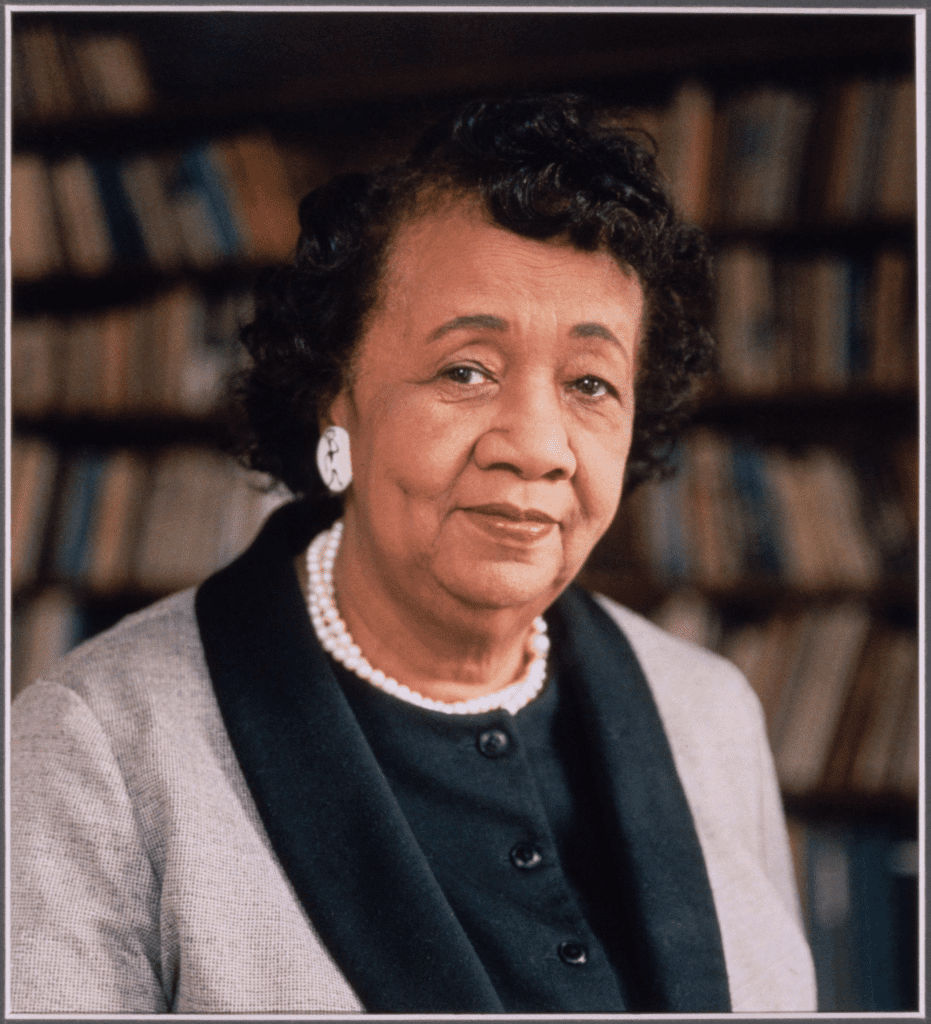
Dorothy Height stands as a towering figure both in civil rights leadership and as a defender of human dignity. Her life is a testament to the power of steady, strategic vision in shaping movements and uplifting communities for generations. This Women’s History Month at the National Center for Civil and Human Rights, we honor her enduring legacy and explore why her work remains vital today. A Bridge Builder in the Movement Often called the “godmother of the civil rights movement,” Dorothy Height led the National Council of Negro Women for over 40 years, expanding its influence nationwide. She collaborated with icons like Martin Luther King, Jr., Whitney Young, and A. Philip Randolph, developing strategies that advanced racial and economic justice. Height played a pivotal role in organizing the 1963 March on Washington for Jobs and Freedom. Though women were granted speaking roles, she was a powerful force behind the scenes, ensuring women’s voices and concerns were always represented. Championing Women and Youth Height’s leadership was ahead of its time, rooted in intersectionality before the term was widely known. She recognized that race and gender discrimination were intertwined, and through the National Council of Negro Women, launched initiatives supporting education, voter registration, and economic empowerment. The National Park Service notes that Height co-founded “Wednesdays in Mississippi,” a program uniting Black and white women during the Civil Rights Movement to foster dialogue and grassroots activism. She believed that lasting change grows from collaboration, empathy, sustained effort, and the cultivation of young activists to carry the fight forward. Why Her Leadership Still Matters Today, the push for equity, representation, and opportunity continues. Height reminds us that movements are built not just by luminaries at the podium, but by those who do the gritty work of organizing, mentoring, and building institutions behind the scenes. Her example calls us to support collective progress in our own communities. Leadership isn’t always loud—it’s often patient, strategic, and dedicated to lifting others. As we continue our Women’s History Month series, we invite you to visit the National Center for Civil and Human Rights to learn more about trailblazers like Dorothy Height. Her story, like so many others in our galleries, inspires us to advance justice with courage, collaboration, and hope. Source Links: https://www.womenshistory.org/education-resources/biographies/dorothy-height https://www.biography.com/activist/dorothy-height https://www.nps.gov/features/malu/feat0002/wof/Dorothy_Height.htm https://naacp.org/resources/naacp-honors-life-dr-dorothy-irene-height
Shirin Ebadi and the Fight for Women’s Rights in Iran

Shirin Ebadi’s story is one of legal brilliance, moral courage, and unwavering resolve in the face of personal risk. This Women’s History Month at the National Center for Civil and Human Rights, we honor her legacy and explore how Ebadi’s work applies international human rights principles to daily life. A Judge Turned Advocate Shirin Ebadi broke barriers as one of Iran’s first female judges. After the 1979 revolution, she was stripped of her position solely because of her gender. Refusing to be silenced, she became a tireless advocate, representing political dissidents, journalists, and families seeking justice. In 2003, Ebadi was awarded the Nobel Peace Prize for her courageous efforts to advance democracy and human rights—especially for women and children. She was the first Iranian and the first Muslim woman to receive this honor. Ebadi’s work underscores both the necessity and the feasibility of applying human rights standards in ways that transcend cultural and governmental boundaries. Defending the Rights of Women and Children Ebadi’s impact on global human rights is deeply rooted in her commitment to legal reform and accountability. Through countless cases and public advocacy, she fought discriminatory laws and defended freedom of expression. The Nobel Women’s Initiative recognizes her unwavering call for peaceful change—grounded always in the rule of law. Her influence extends worldwide, as she speaks at universities and international forums about the need for independent courts and strong civil societies. The Shirin Ebadi Foundation works to advance democracy and protect human rights defenders. Learning from Ebadi’s Work Today, communities everywhere still face threats to free speech, equality, and women’s rights. Shirin Ebadi’s story reminds us that the defense of human dignity often begins with individuals who find the courage to speak out, even at great personal risk. Her journey broadens our understanding of civil and human rights, showing that these rights are not limited by borders—they are established by the universal standard that everyone, everywhere deserves fairness, safety, and opportunity. This Women’s History Month, the National Center for Civil and Human Rights invites you to visit our Global Human Rights gallery to learn more about Shirin Ebadi and other committed women around the world whose advocacy for human rights continues to shape our collective future. Sources:Shirin Ebadi – Facts – NobelPrize.org Shirin Ebadi – Nobel Women’s Initiative Dr. Shirin Ebadi | Yale Law School Home – Shirin Ebadi Foundation
Documenting Greenwood: Mary Jones Parrish and the Tulsa Massacre

When we think about civil rights education and the fight for human dignity, few acts are as vital as preserving the truth. Mary Jones Parrish’s work during and after the Tulsa Race Massacre shows us that documenting injustice is itself a powerful act of resistance. This Women’s History Month at the National Center for Civil and Human Rights, we honor pathbreaking women by shining a light on Parrish’s efforts to ensure the events of 1921 would not be forgotten. Preserving Truth in the Face of Violence In May and June of 1921, the Greenwood District of Tulsa, Oklahoma—a vibrant Black community known as Black Wall Street—was attacked by a white mob. Homes and businesses were destroyed, and hundreds of Black residents were killed or displaced. In the aftermath, officials and community leaders often tried to obscure or silence discussion of what happened. Mary Jones Parrish, a teacher and journalist, chose to bear witness. She gathered firsthand accounts from survivors and published them in her 1922 book, “Events of the Tulsa Disaster.” Through her writing, Parrish documented the devastation, loss, and resilience of Greenwood’s residents. At a time when many wanted to move on without accountability, she insisted that the truth be preserved. Why Documentation Is Civil Rights Work The histories of Mary Jones Parrish and the Tulsa Race Massacre are deeply connected. Her writing stands as one of the earliest comprehensive records of the tragedy. By safeguarding eyewitness testimony, she built a foundation for future generations to understand the truth and seek justice. Much of what we know today about the massacre comes from the testimonies Parrish preserved. Her efforts remind us that civil rights work doesn’t only happen in courts or legislatures—it also starts with listening, documenting, and refusing to let stories fade into oblivion. Connecting Past to Present Today, conversations about racial justice, historical memory, and repair continue nationwide. Mary Jones Parrish’s legacy teaches us that acknowledging harm is the first step toward meaningful change. Without honest history, accountability and reconciliation are impossible. In the Broken Promises: The Legacy of Reconstruction gallery at the National Center for Civil and Human Rights, visitors can sift the impact of Mary Jones Parrish and the Tulsa Race Massacre. Her story prompts us to consider whose stories we preserve—and whose remain unheard. This Women’s History Month, we invite you to visit the Center and reflect on the power of truth-telling. Remembering women like Mary Jones Parrish honors the courage it takes to document injustice and reaffirms our shared responsibility to protect human dignity. Source Links: https://www.newyorker.com/news/us-journal/the-women-who-preserved-the-story-of-the-tulsa-race-massacre https://tupress.org/author/mary-e-jones-parrish/ https://19thnews.org/2023/06/mary-parrish-book-tulsa-massacre-history-legacy/ https://blackwallstreetwomen.com/mary-elizabeth-jones-parrish/