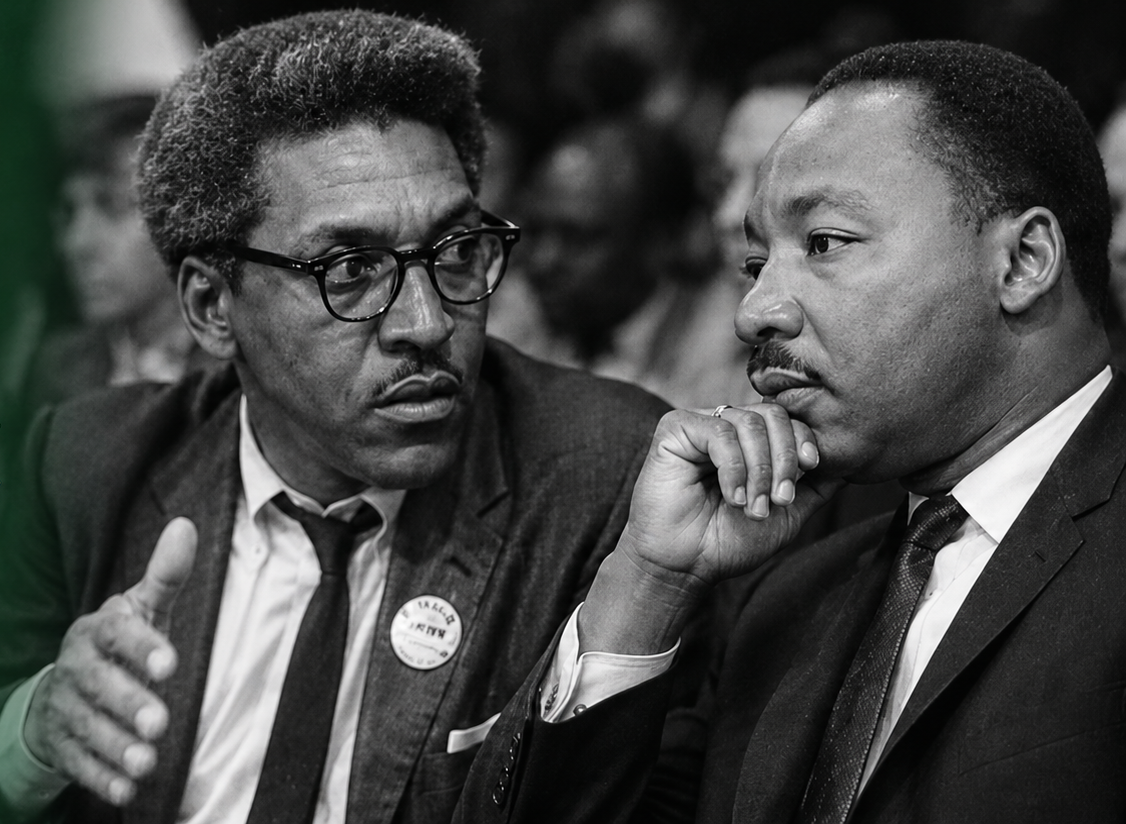
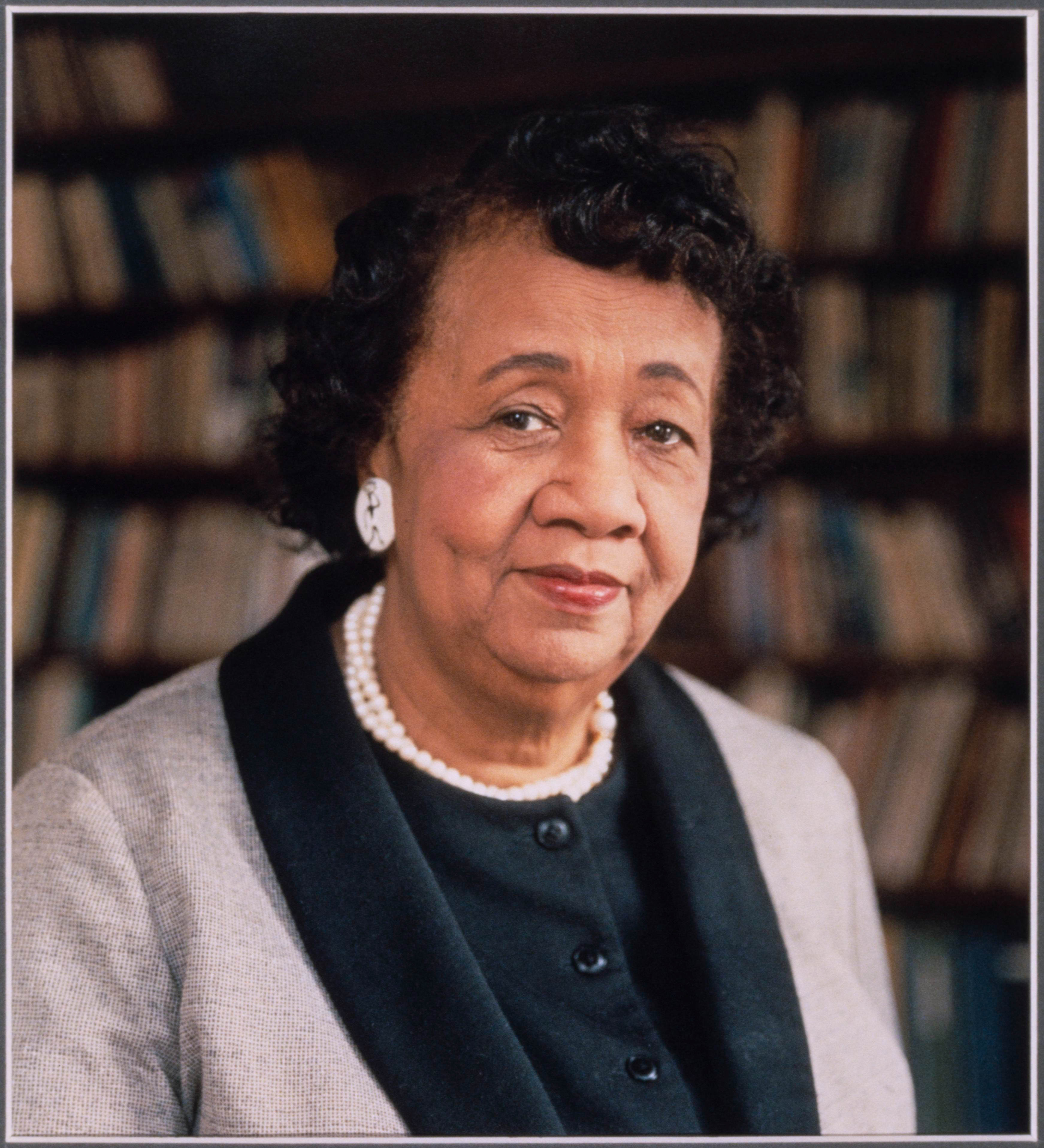
Dorothy Height stands as a towering figure both in civil rights leadership and as a defender of human dignity. Her life is a testament to the power of steady, strategic vision in shaping movements and uplifting communities for generations. This Women’s History Month at the National Center for Civil and Human Rights, we honor her enduring legacy and explore why her work remains vital today.
A Bridge Builder in the Movement
Often called the “godmother of the civil rights movement,” Dorothy Height led the National Council of Negro Women for over 40 years, expanding its influence nationwide. She collaborated with icons like Martin Luther King, Jr., Whitney Young, and A. Philip Randolph, developing strategies that advanced racial and economic justice.
Height played a pivotal role in organizing the 1963 March on Washington for Jobs and Freedom. Though women were granted speaking roles, she was a powerful force behind the scenes, ensuring women’s voices and concerns were always represented.
Championing Women and Youth
Height’s leadership was ahead of its time, rooted in intersectionality before the term was widely known. She recognized that race and gender discrimination were intertwined, and through the National Council of Negro Women, launched initiatives supporting education, voter registration, and economic empowerment.
The National Park Service notes that Height co-founded “Wednesdays in Mississippi,” a program uniting Black and white women during the Civil Rights Movement to foster dialogue and grassroots activism. She believed that lasting change grows from collaboration, empathy, sustained effort, and the cultivation of young activists to carry the fight forward.
Why Her Leadership Still Matters
Today, the push for equity, representation, and opportunity continues. Height reminds us that movements are built not just by luminaries at the podium, but by those who do the gritty work of organizing, mentoring, and building institutions behind the scenes.
Her example calls us to support collective progress in our own communities. Leadership isn’t always loud—it’s often patient, strategic, and dedicated to lifting others.
As we continue our Women’s History Month series, we invite you to visit the National Center for Civil and Human Rights to learn more about trailblazers like Dorothy Height. Her story, like so many others in our galleries, inspires us to advance justice with courage, collaboration, and hope.
Source Links:
https://www.womenshistory.org/education-resources/biographies/dorothy-height
https://www.biography.com/activist/dorothy-height
https://www.nps.gov/features/malu/feat0002/wof/Dorothy_Height.htm
https://naacp.org/resources/naacp-honors-life-dr-dorothy-irene-height