As old as humanity itself, storytelling has always offered a powerful way to connect people, deepen understanding, and confront difficult histories. In a time when many communities are seeking paths toward greater equity and inclusion, storytelling helps us bridge divides by bringing personal experiences to the forefront. Through shared narratives, people can better understand both the past and its impact on the present.
Truth-Telling as a Foundation
At the core of storytelling for racial healing is truth-telling. For generations, many voices were excluded from historical narratives, leaving gaps in how we understand our shared past. Personal stories and oral histories help fill those gaps by centering lived experiences of injustice, resilience, and resistance.
When people share their stories, history becomes more than dates and events; it becomes personal and immediate. A listener may begin to see connections between past discrimination and present-day inequalities. This process encourages empathy and invites reflection, both of which are essential for dialogue that is meant to heal.
Storytelling also supports healing for those who share their experiences. Naming and preserving personal and community histories can validate identity and foster a sense of belonging. For listeners, the act of bearing witness helps build respect and understanding across differences.
Preserving Memory and Building Connection
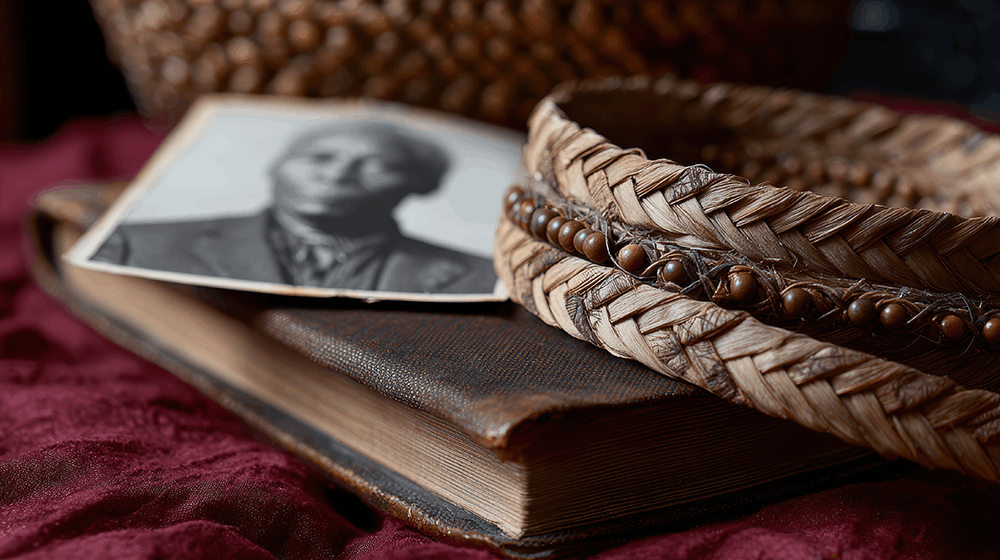
Museums, cultural centers, and community programs play an important role in advancing storytelling for racial healing. Through exhibits, archives, and facilitated conversations, they create spaces where stories can be shared and preserved.
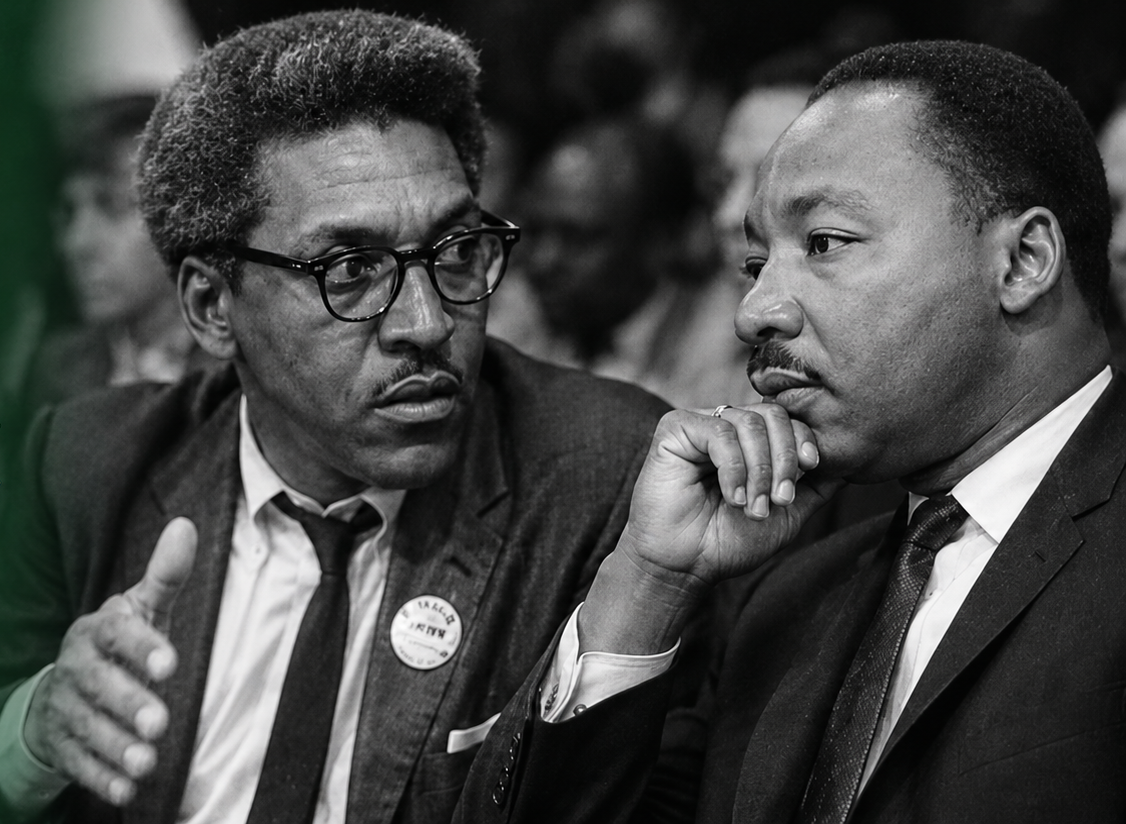
Intergenerational storytelling has an especially powerful effect. When elders share memories of segregation, migration, or civil rights activism, younger generations gain an insight into history’s influence on the present that cannot be acquired in any other way. These exchanges strengthen community ties and ensure that important lessons are not lost over time.
Research also shows that stories can foster emotional connection. When we hear a personal narrative, we often relate to the emotions being expressed. This shared understanding can shatter stereotypes and create common ground, even among people with very different backgrounds.
From Stories to Social Change
While storytelling is powerful, it must be joined with structural change—policies, education, and accountability that address systemic inequities – to achieve lasting social progress. As a first step, however, storytelling is hard to match, as it inspires people to learn more, engage in dialogue, and support efforts that promote fairness and opportunity as little else can.
Institutions dedicated to civil and human rights help guide this process by connecting stories to historical context and current issues. By doing so, they encourage visitors and communities to think critically about the role each person plays in shaping a more just society.
Storytelling for racial healing reminds us that understanding begins with listening. By honoring diverse experiences and preserving community memory, we create opportunities for empathy and connection. As individuals and communities continue this work, storytelling will remain an essential tool for education, reflection, and shared responsibility in building a more inclusive future.