
Inclusive Leadership: Your Competitive Advantage in a Changing Workforce

In today’s fast-evolving workplace, inclusive leadership isn’t just a nice-to-have — it’s a strategic advantage. As organizations navigate generational shifts, global expansion, and rapidly changing employee expectations, the ability to lead inclusively sets top performers apart. But what does inclusive leadership really mean in today’s context, and how does it differ from traditional management styles? What Is Inclusive Leadership? Inclusive leadership is the practice of actively recognizing and valuing the unique perspectives, identities, and contributions of every team member. It means fostering an environment where people feel respected, seen, and empowered to speak up and thrive — regardless of their background, role, or experience. Today’s inclusive leaders don’t just “tolerate” diversity — they champion it. They understand that building diverse teams is key to unlocking innovation, resilience, and sustainable growth. Research consistently shows that diverse, inclusive teams outperform their peers in creativity, decision-making, and employee engagement. Inclusive Behaviors vs. Traditional Management Traditional management models often prioritize efficiency, hierarchy, and conformity. While these traits served organizations well in the past, they can stifle creativity and marginalize underrepresented voices in a modern, multicultural workforce. Inclusive leadership, on the other hand, prioritizes: Empathy over authority Listening over directing Collaboration over control Curiosity over assumptions Inclusive leaders intentionally seek out differing viewpoints and foster psychological safety, so all team members feel empowered to contribute. They disrupt bias in decision-making and hold themselves accountable for equity across hiring, promotions, and team dynamics. How to Develop and Sustain Inclusive Leadership Skills Inclusive leadership is not a fixed trait — it’s a practice. Here’s how to start building your inclusive leadership muscle: Self-awareness and education Acknowledge your own biases and take time to learn about others lived experiences. Inclusion starts with personal growth. Active listening Make space for every voice. Ask open-ended questions and listen with the intent to understand, not just respond. Model inclusive behaviors Set the tone from the top. Recognize diverse contributions, celebrate differences, and intervene when exclusion occurs. Embed inclusion into systems Inclusive leadership isn’t just about attitude — it’s about action. Review hiring, evaluation, and team processes through an equity lens. Commit to ongoing learning Inclusion is a journey, not a destination. Stay curious, seek feedback, and invest in regular training and coaching. Your Next Step Culture Connections specializes in helping leaders unlock the power of inclusive leadership to build high-performing, diverse teams that drive results. Whether you’re leading a small team or transforming an entire organization, inclusion can be your greatest asset. You can experience the value of this program onsite at The Center in downtown Atlanta at a physical location of your choosing, or virtually. To learn more, go to CultureConnections or call 720-581-1436.
E Pluribus Unum at Work: The Culture Connections Approach to Belonging and Equity
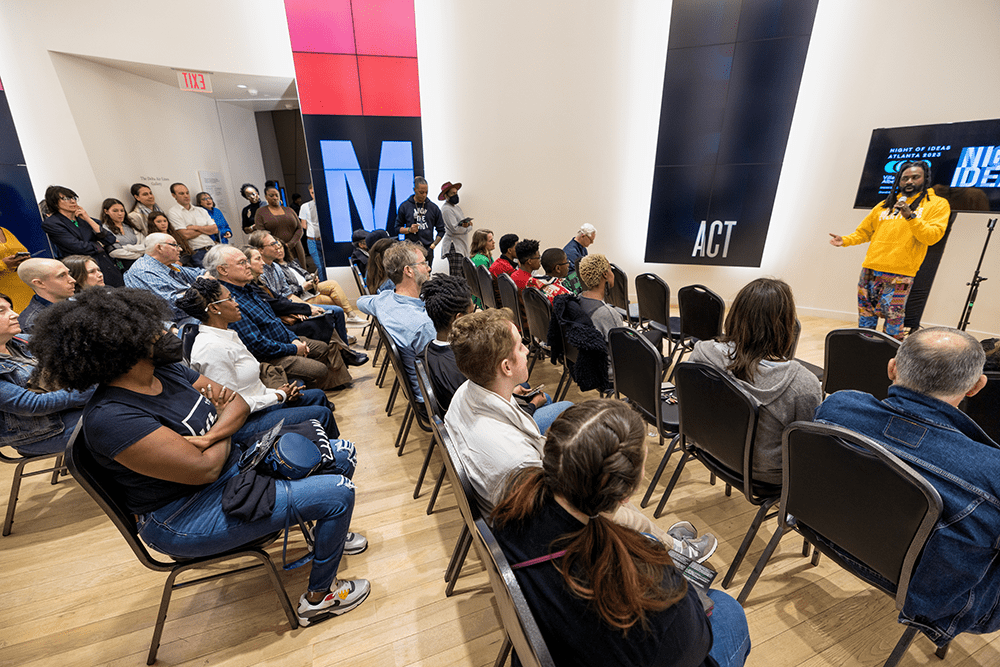
At a moment when new pitfalls in workplace culture seem to appear every day, the National Center for Civil and Human Rights in Atlanta offers a transformative solution through its Culture Connections program. This initiative is designed to help organizations cultivate environments where every employee feels valued, engaged, and empowered to contribute their unique talents and perspectives. Rooted in the principle of e pluribus unum—”out of many, one”—Culture Connections emphasizes the strength that diversity brings to a collective purpose. By drawing parallels between historical civil and human rights movements and contemporary workplace challenges, the program provides participants with a deeper understanding of inclusion and belonging. Culture Connections offers interactive workshops that encourage open dialogue and self-reflection. These sessions are designed to be “brave spaces” where participants can confront discomfort and engage in probing conversations about individuality, opportunity, and community. Through guided discussions and activities, organizations can address cultural challenges, improve team dynamics, and foster a more inclusive environment. The impact of the Culture Connections experience is significant. Research indicates that organizations prioritizing cultural inclusivity see improvements in morale, employee retention, and overall performance. By investing in this program, companies not only enhance their internal culture but also position themselves for greater innovation and market success. For organizations committed to creating equitable and inclusive workplaces, partnering with the National Center for Civil and Human Rights through the Culture Connections program is a strategic and purposeful step forward. Schedule a call with our team today to learn how Culture Connections can meet your organization’s needs.
The National Center for Civil and Human Rights hosts The Brave Forum, presented by Gallagher Insurance
This June, The Center had the privilege of hosting the inaugural Brave Forum, a networking lunch and learn for DEI advocates, professionals, students, and the public to discuss the challenges facing DEI today and strategies to empower positive workplace change with our expert facilitators. This year’s theme “Navigating the New Era of DEI” gave an alternative perspective for examining DEI that most of us don’t often consider: homelessness. With diversity, equity, and inclusion under acute threat in our communities and the workplace, The Center and Gallagher Insurance developed this timely forum to discuss the path forward. The Center’s DEI Lead, Phil Polk, began the day by welcoming attendees with an explanation of how effective DEI work happens in brave spaces. Safe spaces impede crucial discussions of real DEI work to happen. Brave spaces push you to move past areas of comfort and share experiences that achieve a greater understanding. Polk invited attendees into a brave space where participants could all feel comfortable sharing their perspectives. Attendees then broke out into groups throughout the museum, for an extended conversation on the topics of: Diversity and Intersectionality in The Center’s March on Washington exhibit Equality vs. Equity in the Center’s Human Rights Gallery The Center’s expert DEI facilitators, Attallah Pamoja and Martha Caldwell, guided the discussions. Attendees shared challenges they faced regarding race, aspects of the workplace they would like to see change, and how to accomplish that transformation. Powerful Center backdrops with images from the March on Washington and maps of human rights violations worldwide enhanced the conversations with context, making them more impactful. After the breakout sessions, attendees returned to The Center’s Glenn Room for lunch and an exclusive screening of Dr. Terence Lester’s documentary, “Love Beyond Walls.” Dr. Lester’s film chronicles the time he spent on the streets of Tennessee with the unhoused community after state legislators passed House Bill 978, which made sleeping outdoors a Class E felony. The documentary humanizes homelessness and highlights the roles of race and inequity in the community. The post-screening Q&A with Dr. Lester and The Center’s LGBTQ Institute Executive Director, Tim’m West, was a highlight of the day. They discussed allyship and how employees could understand their roles in fulfilling Dr. King’s dream of creating a beloved community. The forum ended with a self-guided tour of The Center, a book giveaway, and a signing with Dr. Lester. As an advocate for cultural transformation, The Center continues to spread the messages of diversity, equity, and inclusion through training conducted by our expert facilitators. The Brave Forum presented a unique opportunity for The Center to provide the public with moderated versions of the sessions that DEI clients experience. We want to thank our sponsor, Gallagher Insurance, for partnering with The Center and supporting this forum. To learn more about DEI Experiences at The Center, visit civilandhumanrights.org/DEI.