
The Legacy of Dorothy Height
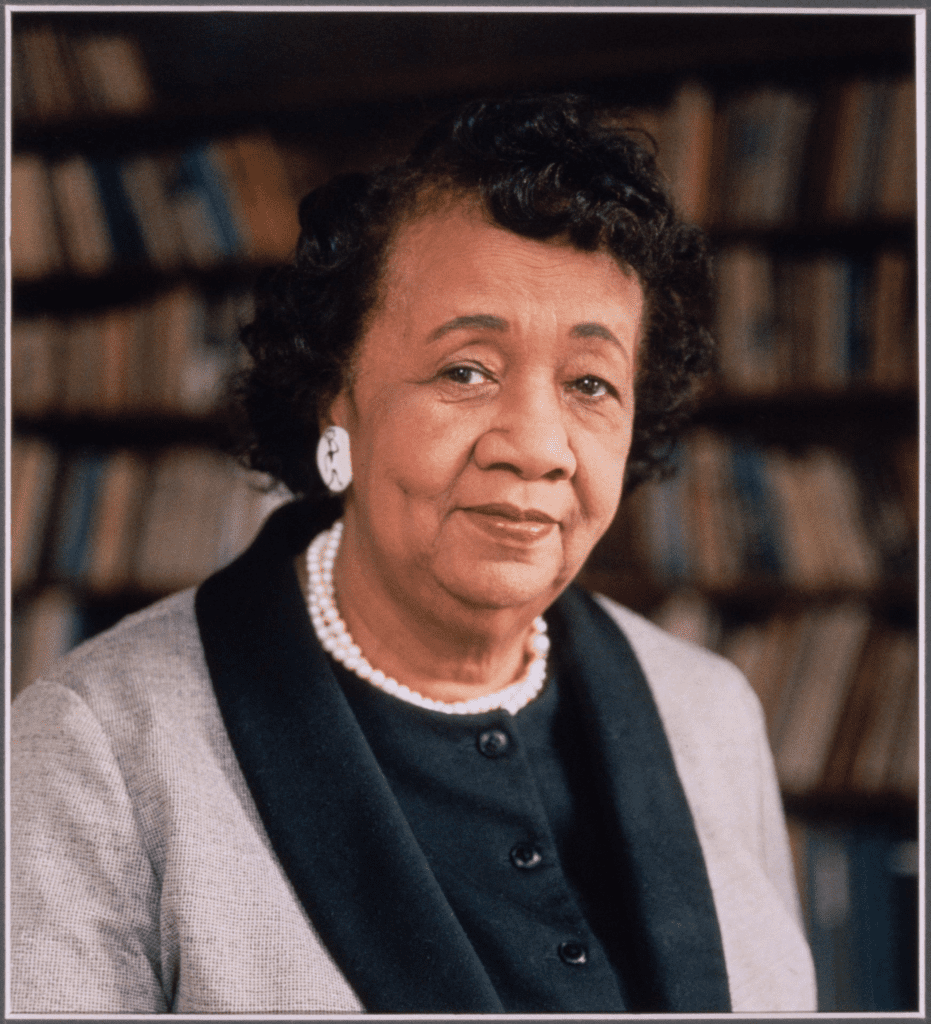
Born in Richmond, Virginia March 24, 1912, Dorothy Irene Height became for many, an example of a life of service. In high school, she began her activism, participating in anti-lynching campaigns of the 1920s. After attending New York University and Columbia University, Height became a social workers and transformed that career into one as an activist for civil and women’s rights. While working for the Harlem YWCA, she met Mary McLeod Bethune and Eleanor Roosevelt. After moving to the National YWCA office, Dorothy led the integration efforts, seeing desegregation at all YWCA’s in 1946. The following year, she began her tenure as the National President of Delta Sigma Theta Sorority, Inc—a position she would hold until 1957. Early in her career, Height became a member of the National Council of Negro Women, and after she completed her time as the president of Delta Sigma Theta, she became the president of NCNW, holding that position for forty years. While most are familiar with the men involved with the Civil Rights Movement, the roles of women were instrumental in the movement’s successes. Dorothy Height was extremely active, organizing Wednesdays in Mississippi as well as assisting with the organization and execution of the March on Washington for Jobs and Freedom. Height worked closely with Bayard Rustin on the complex logistics surrounding the March, used her vast network of contacts to raise funds, and offered the NCNW headquarters in Washington as a meeting place. She also helped mediate and resolve differences among the other organizers of the March as ideas and egos clashed throughout the planning process. While not allowed to give one of the keynote speeches that day, Height was seated as the only woman on the platform behind the speakers, after she had convinced the organizers to let Martin Luther King, Jr. to speak toward the end of the program. After the Civil Rights Movement, Height continued to serve her community through service on national committees. Her lifetime of work was acknowledged in popular culture, TV’s A Different World included “Dorothy Height Hall,” a residence hall named in her honor, and she was celebrated with various awards including the Presidential Medal of Freedom while her image was immortalized on a United States Postage Stamp in 2017. The world lost this trailblazing icon on April 20, 2010, but her legacy of leadership and activism still thrives in all the communities she touched.
Celebrating the Powerful Women of the Center for Civil and Human Rights
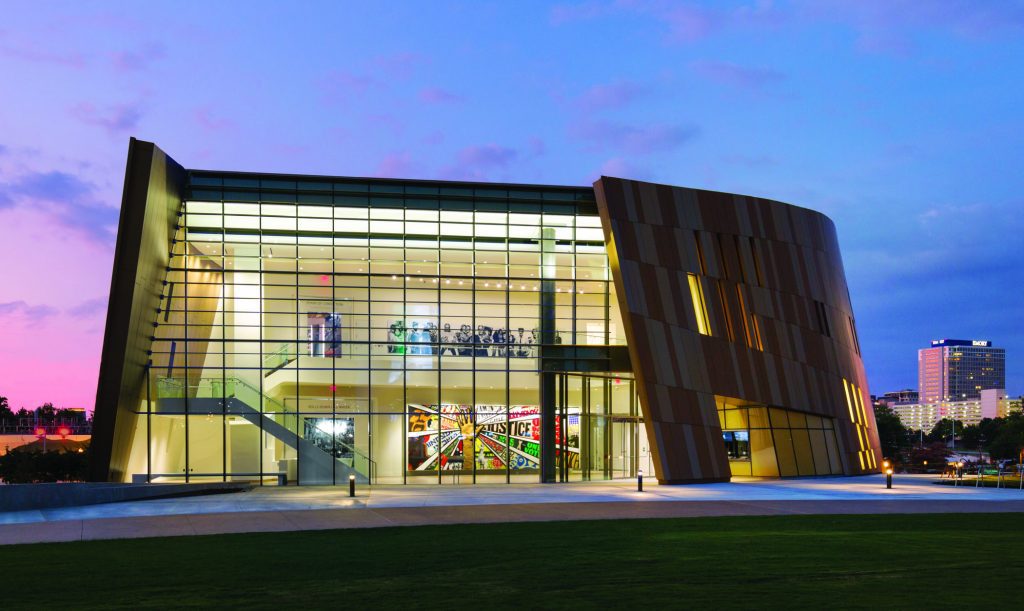
On this last day of Women’s HERstory Month, I wanted to honor some very important women to the City of Atlanta. The city is home to many attractions and the Center for Civil and Human Rights is the moral center of our culture. For almost three years now, The Center helped inspire and empower a spirit of self-determination and resilience in the global community, as informed by the Civil and Human Rights Movement of which Atlanta is world renown. Each and every day we witness more people come to see the history of civil and human rights both nationally and internationally. The CENTER has found its place in the noble history of Atlanta and now finds itself poised to become one of the top attractions not only in Atlanta, but throughout the United States. The question then becomes what is behind this incredible success? The simple yet principled answer is the Women Power of The Center’s staff. These women are integral in running an attraction, museum and Center of intellectual discourse all in one. The reason why this is especially unique is that most of the work that makes The Center highly ranked is typically held by males. Roles like Chief Financial Officer, Facilities Manager, Director of Visitor Services, Manager of Education and Exhibits and so many more essential positions to The Center are held by the strongest of females. As the CEO of the organization, I can tell our visitors and friends that I have found this women power to represent more than a gender diversity and inclusion principle. Rather, I see the performance of my female counterparts as representing the best people for the job. Without the extensive professional expertise, empathy and sympathy of my fellow colleagues, I don’t think The Center would have enjoyed such early success given the incredible pressure we face everyday to keep its doors open. I am proud of these women for their abilities because they are real and they are changing the world as we know it. I want to take this opportunity to celebrate and the Powerful Women behind the scenes at the Center for Civil and Human Rights during this month of March and throughout the year. Thank you to the Women of The Center; keep setting the bar high!
Brown vs. Board of Education: Rewind and Fast Forward by Keisha Lewis
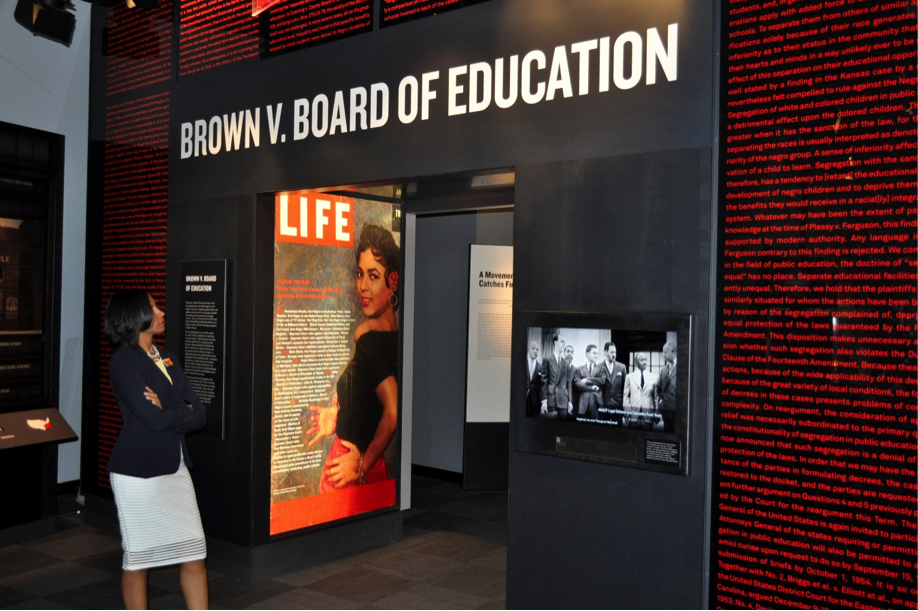
Author of this blog post, Keisha Lewis, is the Director of Visitor Services at the Center for Civil and Human Rights. As I arrived at work, busses unloaded anxious middle school students eager to begin their field trip. As each student stepped off the bus I reflected on my time in middle school and the friends I made along the way. I thought about my social media connections/friends and the diversity in race and gender among these groups. I contemplate being in the high school marching band, making so many friends and not feeling alienated by my race or gender. My mind drifted to how I was able to obtain these relationships (meanwhile the kids at The Center are freely talking to one another as they enter the building). After a morning Operations meeting, I began a morning walkthrough of The Center. I stopped at The Brown vs. Board of Education exhibit and thought of my mother’s and courage in the 1960’s as the “Movement Catches Fire”. I reminisced back to when I was 13 years old, sitting on my mother’s bed after school and asked a question that would spark my curiosity for years. “What was it like for you in school, mom?” She told my sister and I that school was fun and that she learned a lot up until 1967 – her Junior Year in High School. During that year, she was pulled into a room with about 13-14 other students at Lemon Street High, the only school Black youth could attend up until then. Adults briefed the students on integrating with white students at a new High School in Cobb County (which is ironically my Alma Mater). Brown vs. Board of Education changed her life forever, as well as mine. The day the students were integrated, she was taunted as she stepped out of the van delivering them to this unfamiliar school filled with unfamiliar faces. She was called a “Nigger”, spat on and a sign was taped to her back without her knowledge that read, “Since when do Niggers have red hair?” I could go on and on but for sake of time I will leave it at that. Although she was horrified by these experiences, she continued to hustle up her pride and return to school every day for months. For years, it unsettled me that I did not understand the full story of why people were so hateful to her so when I made it to College my journey began. My obsession with knowing more about the American Civil Rights Movement led me to earn a B.A. in History with a concentration in Civil Rights and a focus in Brown vs. Board of Education/integration. None of this could happen before literally taking a walk down memory lane with my mother as she walked me through what remained of Lemon Street High School. My mother recounted how black businesses in Marietta thrived before desegregation and how she didn’t finish high school because it became too hard to take. Did I mention that the bus she rode to school would not return them home some days so that black students on her street were forced to walk many miles home? Many people ask me “Why history? It’s so boring.” My answer is now: this “boring” history was my mother’s reality. Our mother’s story transformed me and my sister’s perspective on history. My sister Mia, determined to teach and obtain the highest level within the Education field, earned her Doctoral degree in Education. I am currently the Director of Visitor Services at the Center for Civil and Human Rights. You never know how someone else’s story can impact your life! I believe in celebrating the unsung pioneers of a movement and inspiring others to see how they can make a difference. Forward! Keisha Lewis Director of Visitor Services