
The National Center for Civil and Human Rights to Unveil Commemorative Mural Honoring the1906 Atlanta Race Massacre
ATLANTA (September 22, 2025) – The National Center for Civil and Human Rights invites the public to the unveiling of a new mural by Atlanta-based artist Fabian Williams, created to honor the victims and survivors of the 1906 Atlanta Race Massacre. The event, which marks the 119th anniversary of the massacre, will take place on Saturday, September 27, 2025, from 2:00 to 4:00 PM at Focused Community Strategies, 1297 McDonough Blvd SE, Atlanta, GA 30315. The mural, installed in Historic South Atlanta—once known as Brownsville—commemorates a pivotal yet often overlooked chapter in Atlanta’s history. On September 24, 1906, violence against Black residents erupted across the city. In Brownsville, community members organized to defend themselves, and leaders like Luther J. Price stood as symbols of resistance. The mural honors their courage and resilience while calling Atlanta to remember, reflect, and commit to justice today. “History is not only what we preserve inside museum walls. By bringing this mural to South Atlanta, we are affirming that truth belongs in the open—where families gather and where community members can reflect. It reminds us that healing begins when we face history together,” said Kama Pierce, Chief Program Officer at the National Center for Civil and Human Rights. The commemoration will also feature 1906, an immersive mobile app that uses augmented reality to bring the history of the massacre to life. Developed with Emblematic Group, Agog, and a team of storytellers and producers, the app presents first-hand accounts from the time—including the testimony of early 20th-century journalist Jesse Max Barber—making this history accessible to audiences everywhere. The event will include community tables, interactive demonstrations of the 1906 app, remarks from muralist Fabian Williams and Center staff, and a ribbon-cutting ceremony. A community step show will close the program. Event Details What: 119th Commemoration of the 1906 Atlanta Race Massacre – Mural Unveiling and XR App Launch When: Saturday, September 27, 2025 – 2:00–4:00 PM ET 2–3 PM: Community tables and XR app demos (iPads provided) 3 PM: Remarks, mural unveiling, ribbon cutting Closing: Community step show Where: Focused Community Strategies, 1297 McDonough Blvd SE, Atlanta, GA 30315 A Timely Reopening The Center is currently closed as it undergoes a 24,000-square-foot expansion that includes new galleries, classrooms, and interactive experiences connecting history to the present. The museum reopens to the public on November 8, 2025. About the National Center for Civil and Human Rights The National Center for Civil and Human Rights is a museum and cultural organization that inspires the changemaker in each of us. Opened in 2014, the Center connects the history of civil rights in America to the global human rights movement around the world today. Our exhibitions highlight people who have worked to protect rights and who model how individuals create positive change. For more information, visit our website at civilandhumanrights.org. Follow us on Facebook, Twitter, Instagram @ctr4chr, and LinkedIn at linkedin.com/company/ncchr. Media Contact: Tenisha Griggs Senior Director, Marketing [email protected]
In the Headlines: A Powerful First Look

Last week, the Center welcomed national and local press for an exclusive preview of our newly expanded space. Reporters toured reimagined galleries, experienced new exhibitions, and got a first look at what’s ahead this November. The response was powerful. As we prepare to reopen, we’re giving our community first access. Pre-sale tickets for reopening day are now available. Space is limited, so we encourage you to reserve your spot today. Buy tickets now › The press captured the energy, emotion, and significance of this next chapter. Here’s what they had to say. AJC Atlanta Journal Constitution | Expanded museum hopes to tell nation’s ‘real story’ 11Alive | Look inside expansion at Atlanta’s National Center for Civil and Human Rights | 11alive.com ABC News | https://abcnews.go.com/US/wireStory/national-center-civil-human-rights-expands-critical-moment-1255… AP Associated Press | Atlanta’s civil rights museum expands amid tensions in US | AP News Atlanta Business Chronicle | National Center for Civil and Human Rights sets reopening date – Atlanta Business Chronicle Bozeman Daily Chronicle | The National Center for Civil and Human Rights expands at a critical moment in U.S. history | Assoc… CBS National News | National civil rights museum expanding. Unlike Smithsonian, Trump has no immediate sway over its co… Joplin Globe | The National Center for Civil and Human Rights expands at a critical moment in US history | Nationa… Microsoft Bing | Media Coverage Of National Center For Civil And Human Rights – Search News MSN | The National Center for Civil and Human Rights expands at a critical moment in US history The Grio | The National Center for Civil and Human Rights expands at a critical moment in US history The Independent/UK | The National Center for Civil and Human Rights expands at a critical moment in U.S. history | The I… US News | The National Center for Civil and Human Rights Expands at a Critical Moment in US History WSB-TV | Get a sneak peek at the renovated National Center for Civil and Human Rights WABE | The National Center for Civil and Human Rights expands at a critical moment in US history – WABE WKGT | The National Center for Civil and Human Rights expands at a critical moment in US history – KGET 17… Yahoo News Canada | The National Center for Civil and Human Rights expands at a critical moment in US history Newsday | The National Center for Civil and Human Rights expands at a critical moment in US history – Newsday Georgia Public Broadcasting | The National Center for Civil and Human Rights expands at a critical moment in U.S. history | Georg… WFTV9 | The National Center for Civil and Human Rights expands at a critical moment in US history – WFTV Times Union | The National Center for Civil and Human Rights expands at a critical moment in US history The Daily Gazette | The National Center for Civil and Human Rights expands at a critical moment in US history | Nationa… The Daily Journal | The National Center for Civil and Human Rights expands at a critical moment in US history | Nationa… The Morning Call | National Center for Civil and Human Rights expands at critical moment Click on Detroit | The National Center for Civil and Human Rights expands at a critical moment in US history Saporta Report | Expanded Civil Rights center reaffirms Atlanta’s role in the movement – SaportaReport UATL.com | National Center for Civil and Human Rights to reopen after $57M expansion Ground News | The National Center for Civil and Human Rights Expands at a Critical Moment in U.S. History CBS 17 | The National Center for Civil and Human Rights expands at a critical moment in US history The Daily Star | The National Center for Civil and Human Rights Expands at a Critical Moment in U.S. History WKRG | The National Center for Civil and Human Rights Expands at a Critical Moment in U.S. History Click to Houston | The National Center for Civil and Human Rights Expands at a Critical Moment in U.S. History Fox 21 News Colorado | The National Center for Civil and Human Rights Expands at a Critical Moment in U.S. History CBS 42 | The National Center for Civil and Human Rights Expands at a Critical Moment in U.S. History WJHL | The National Center for Civil and Human Rights Expands at a Critical Moment in U.S. History Watermark Out News | The National Center for Civil and Human Rights Expands at a Critical Moment in U.S. History Daily Oregon Journal of Commerce | Atlanta civil rights museum expands with new galleries
Reparations and Reconciliation: What Can We Learn from the Past?

Reparations and Reconciliation: What Can We Learn from the Past? Across the globe and right here at home, communities are reckoning with the legacies of slavery, Indigenous displacement, racial violence, and economic exclusion. Reparations—once considered politically untouchable—are now part of serious conversations about justice and repair. But what exactly are reparations, and how can they support reconciliation? The answer depends on context—but the goal remains the same: to repair harm, restore dignity, and create a foundation for lasting equity. Global Lessons, Local Leadership From Germany’s compensation to Holocaust survivors, to Canada’s Truth and Reconciliation Commission on Indigenous residential schools, nations around the world have taken steps toward repair. While imperfect, these efforts show that meaningful reparations require both acknowledgment and action. In the U.S., the movement is gaining momentum through local leadership. Cities like Evanston, Illinois are providing reparations for housing discrimination. California’s Reparations Task Force recently issued a sweeping report outlining how the state can begin to repair the harm of systemic racism. These examples remind us that reparations are not abstract ideals—they are tangible strategies communities can pursue today. Atlanta’s Growing Reckoning Here in Atlanta, a city shaped by both Civil Rights history and deep racial disparities, conversations about reparations are increasingly urgent. In 2023, the Atlanta City Council passed legislation to study reparative policies through a Reparations Task Force, tasked with exploring compensation, community investment, and acknowledgment of harm done to Black residents. Meanwhile, organizations like the Atlanta University Center (AUC) Reparations Project are researching how historically Black colleges and universities can lead in developing local, community-rooted approaches. These efforts reflect a shift—from symbolic gestures toward structural transformation. What Reparations Can Look Like Reparations are often thought of as direct cash payments, but in practice they can take many forms. As outlined in the National African American Reparations Commission’s plan, they may include: Land restitution or return Educational opportunities and scholarships Debt forgiveness Housing and business investment Public memorials and truth commissions Legal and institutional reform For Indigenous communities, reparations may focus on land sovereignty and cultural restoration. For descendants of enslaved Africans, it might mean reversing the economic damage of generations of exclusion. For communities harmed by redlining or mass incarceration, investment in housing, health, and education can serve as a form of repair. Reparations are not one-size-fits-all—but they are always rooted in truth-telling and accountability. Truth + Transformation: A Path Forward Our Truth and Transformation initiative builds on these global and local lessons, offering space for communities to explore shared histories, foster healing, and imagine bold solutions. We believe that reconciliation without repair is incomplete—and that every community has a role in building a more just future. Join us in learning, listening, and acting. Reparations are possible. Transformation is necessary. The work begins with truth.
Inclusive Leadership: Your Competitive Advantage in a Changing Workforce

In today’s fast-evolving workplace, inclusive leadership isn’t just a nice-to-have — it’s a strategic advantage. As organizations navigate generational shifts, global expansion, and rapidly changing employee expectations, the ability to lead inclusively sets top performers apart. But what does inclusive leadership really mean in today’s context, and how does it differ from traditional management styles? What Is Inclusive Leadership? Inclusive leadership is the practice of actively recognizing and valuing the unique perspectives, identities, and contributions of every team member. It means fostering an environment where people feel respected, seen, and empowered to speak up and thrive — regardless of their background, role, or experience. Today’s inclusive leaders don’t just “tolerate” diversity — they champion it. They understand that building diverse teams is key to unlocking innovation, resilience, and sustainable growth. Research consistently shows that diverse, inclusive teams outperform their peers in creativity, decision-making, and employee engagement. Inclusive Behaviors vs. Traditional Management Traditional management models often prioritize efficiency, hierarchy, and conformity. While these traits served organizations well in the past, they can stifle creativity and marginalize underrepresented voices in a modern, multicultural workforce. Inclusive leadership, on the other hand, prioritizes: Empathy over authority Listening over directing Collaboration over control Curiosity over assumptions Inclusive leaders intentionally seek out differing viewpoints and foster psychological safety, so all team members feel empowered to contribute. They disrupt bias in decision-making and hold themselves accountable for equity across hiring, promotions, and team dynamics. How to Develop and Sustain Inclusive Leadership Skills Inclusive leadership is not a fixed trait — it’s a practice. Here’s how to start building your inclusive leadership muscle: Self-awareness and education Acknowledge your own biases and take time to learn about others lived experiences. Inclusion starts with personal growth. Active listening Make space for every voice. Ask open-ended questions and listen with the intent to understand, not just respond. Model inclusive behaviors Set the tone from the top. Recognize diverse contributions, celebrate differences, and intervene when exclusion occurs. Embed inclusion into systems Inclusive leadership isn’t just about attitude — it’s about action. Review hiring, evaluation, and team processes through an equity lens. Commit to ongoing learning Inclusion is a journey, not a destination. Stay curious, seek feedback, and invest in regular training and coaching. Your Next Step Culture Connections specializes in helping leaders unlock the power of inclusive leadership to build high-performing, diverse teams that drive results. Whether you’re leading a small team or transforming an entire organization, inclusion can be your greatest asset. You can experience the value of this program onsite at The Center in downtown Atlanta at a physical location of your choosing, or virtually. To learn more, go to CultureConnections or call 720-581-1436.
Juneteenth celebration invites Americans to tell the truth about U.S. history
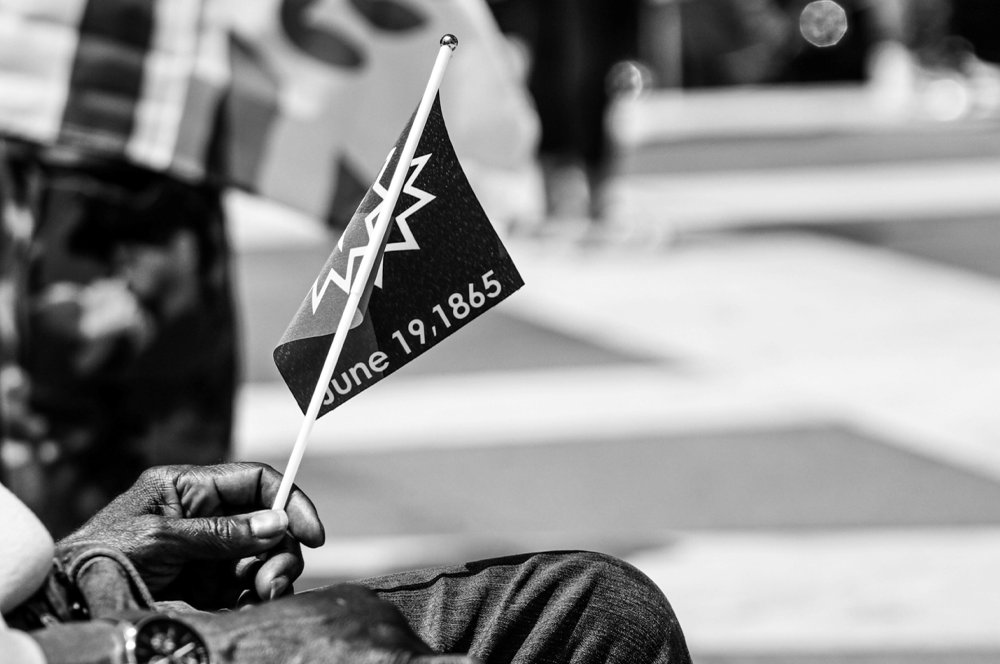
Authored by Jill Savitt, Chief Executive Officer of the National Center for Civil and Human Rights. Originally published in The Atlanta Journal-Constitution. On June 19, 1865, freedom finally reached Galveston, Texas, as Union troops arrived to inform the last enslaved African Americans that they were free. President Lincoln had issued the Emancipation Proclamation more than two years earlier—but in Confederate-held Texas, where federal authority had yet to reach, enslavers simply chose to ignore the law. Freedom was just a promise on paper until Union forces arrived to enforce it. Today, we commemorate June 19th as Juneteenth, a celebration of freedom long honored in Black communities and now recognized nationwide. In 2021, it became a federal holiday with overwhelming bipartisan support. The U.S. Senate passed the legislation unanimously; the House followed with a 415 to 14 vote. President Biden signed it into law, affirming Juneteenth as a national day of remembrance, reflection, and resolve. Until Juneteenth became a federal holiday, many Americans had never heard of it—despite its profound historical significance. The end of slavery was not just a milestone for Black Americans; it was a moral and constitutional turning point for the entire nation—a cause for collective pride. Juneteenth also matters not only because of what it marked the end of, but because of what it opened the door to: the long, unfinished struggle to turn freedom into reality for all. In the wake of Juneteenth, the United States embarked on its most ambitious experiment in democracy: the Reconstruction Era (1865–1877). Under the protection of Union troops and empowered by three new constitutional amendments, newly freed Black Americans built schools, launched businesses, held elected office, and began to exercise the full rights and responsibilities of citizenship. For the first time, Black men could vote—and many did, reshaping the political landscape of the postwar South and redefining what democracy could mean in America. Unfortunately, this progress was short lived. Black economic and political success enraged segregationists. When federal troops – and the protection they gave — withdrew from the South in 1877 as part of a political compromise, white supremacists launched a brutal wave of racial terror — lynchings, massacres, and the codification of Jim Crow segregation laws. The goal was to deny Black Americans the rights they had briefly exercised—voting, owning property, holding office—and to reassert white dominance in all sectors of society. This violence was fueled and abetted by a campaign of propaganda and historical distortion. With support from white-owned newspapers and sympathetic historians, segregationists began reframing the narrative about Reconstruction. They portrayed it as a failure—saying Black people were incompetent, dangerous and incapable of participating in democracy. They glorified the Confederacy and minimized the horrors of slavery. This “Lost Cause” mythology hardened into public memory, justifying voter suppression and economic exclusion. It also incited violence on a mass scale, fueling massacres of Black communities in Wilmington (1898), Atlanta (1906), Tulsa (1921), and elsewhere around the country. During the “Red Summer” of 1919, white mobs attacked Black communities in dozens of cities. For decades, our national history was buried or distorted. While courageous individuals attempted to expose the truth at the time and in the decades that followed Reconstruction, lasting change would not take hold until the Civil Rights Movement of the 1950s and 60s. This fall, when the National Center for Civil and Human Rights reopens after its expansion, we will unveil a new gallery dedicated to the Reconstruction Era. It will tell a more complete story of America—one that reveals a persistent cycle in our history: progress on civil rights, followed by backlash. We present this history not as a closed chapter for one era, but as a persistent pattern — one that continues. It is happening now. In the wake of George Floyd’s murder, a renewed call for racial justice and historical truth swept the country. In familiar fashion, it was met with resistance—this time focused on suppressing history itself. Across the nation, “divisive concepts” laws have sought to restrict how educators discuss slavery, racism, and civil rights. Diversity, Equity, and Inclusion programs have been dismantled in government, schools, and businesses. Government websites have been scrubbed of references to the contributions of minorities and women. Museums and schools are being pressed to tell history only in ways that inspire pride—not reflection. But that is a false choice. A nation can be both honest about its past and proud of its progress. Real patriotism does not ignore history’s painful chapters; it learns from them. National greatness is not built on myths of perfection, but on the courage of those who have pushed this country closer to the ideals outlined in our founding documents. This Juneteenth, don’t just take a day off. Use this holiday as an opportunity to understand our history — with all its pain and promise. Seek books, documentaries, and visits to sites that hold historical significance. Talk openly with family and friends about where we’ve been and where we still need to go. Take time at your gatherings to read aloud the Gettysburg Address, the Emancipation Proclamation, and the Letter from Birmingham Jail. Let the day be both a celebration and a time of reflection. Because grappling with America’s past doesn’t diminish its greatness—it demonstrates it.
E Pluribus Unum at Work: The Culture Connections Approach to Belonging and Equity
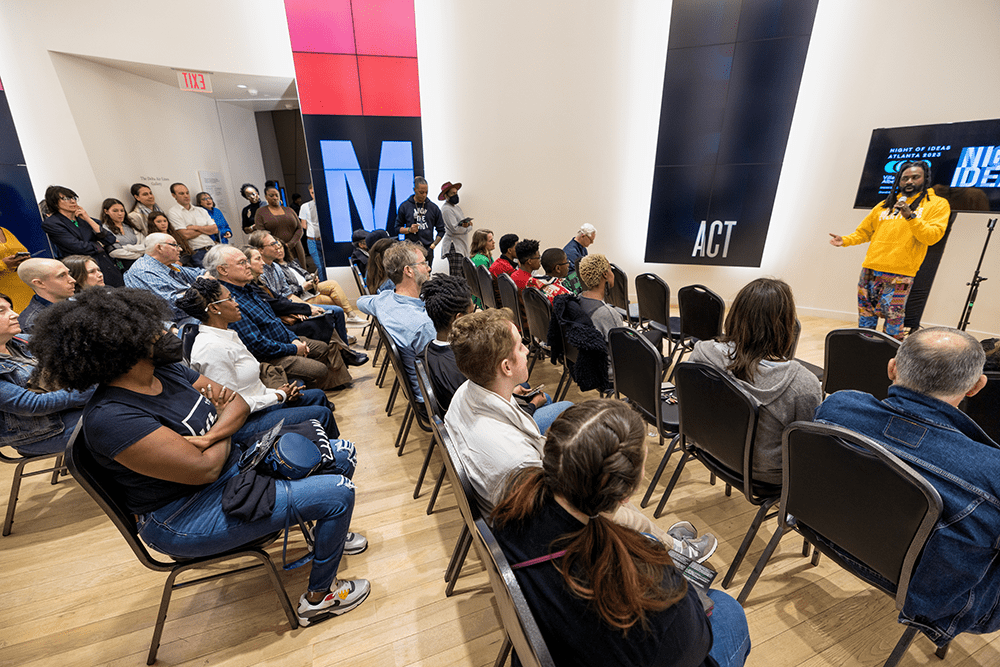
At a moment when new pitfalls in workplace culture seem to appear every day, the National Center for Civil and Human Rights in Atlanta offers a transformative solution through its Culture Connections program. This initiative is designed to help organizations cultivate environments where every employee feels valued, engaged, and empowered to contribute their unique talents and perspectives. Rooted in the principle of e pluribus unum—”out of many, one”—Culture Connections emphasizes the strength that diversity brings to a collective purpose. By drawing parallels between historical civil and human rights movements and contemporary workplace challenges, the program provides participants with a deeper understanding of inclusion and belonging. Culture Connections offers interactive workshops that encourage open dialogue and self-reflection. These sessions are designed to be “brave spaces” where participants can confront discomfort and engage in probing conversations about individuality, opportunity, and community. Through guided discussions and activities, organizations can address cultural challenges, improve team dynamics, and foster a more inclusive environment. The impact of the Culture Connections experience is significant. Research indicates that organizations prioritizing cultural inclusivity see improvements in morale, employee retention, and overall performance. By investing in this program, companies not only enhance their internal culture but also position themselves for greater innovation and market success. For organizations committed to creating equitable and inclusive workplaces, partnering with the National Center for Civil and Human Rights through the Culture Connections program is a strategic and purposeful step forward. Schedule a call with our team today to learn how Culture Connections can meet your organization’s needs.
The Fight for Equality: Past, Present, and Future of LGBTQ+ Rights
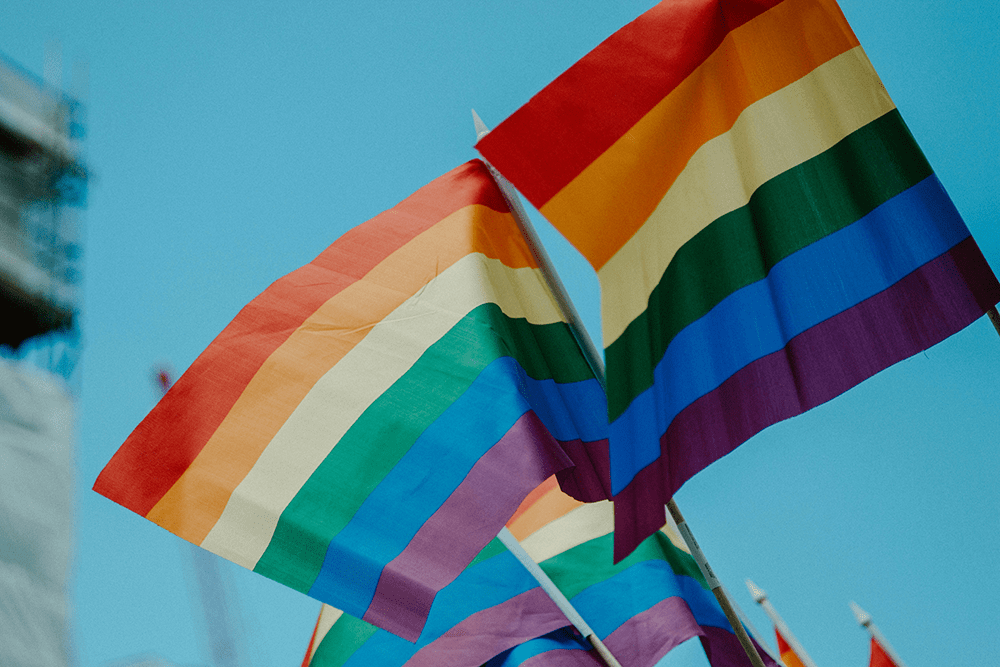
Each June, as rainbow flags fly and communities come together in celebration, Pride Month serves as both a joyful tribute to love and identity—and a solemn reminder of the ongoing struggle for equality. The journey of LGBTQ+ rights in the United States is one of courage, resilience, and relentless advocacy. Looking Back: A Legacy of Resistance and Change The modern LGBTQ+ rights movement was galvanized by the Stonewall Uprising in 1969, a pivotal moment when LGBTQ+ patrons of the Stonewall Inn in New York City stood up to police harassment. What began as a spontaneous act of resistance grew into a nationwide push for civil rights. Over the decades, activists have fought hard-won battles—from the declassification of homosexuality as a mental disorder by the American Psychiatric Association in 1973, to the repeal of “Don’t Ask, Don’t Tell” in 2011, to the landmark Supreme Court ruling in 2015 that granted marriage equality nationwide. Each of these milestones was a step toward greater acceptance and legal protection. The Present: Visibility, Victories, and Setbacks Today, LGBTQ+ individuals have greater visibility in media, politics, and business than ever before. From openly queer elected officials to inclusive advertising campaigns, progress is undeniable. Yet, this visibility has also been met with increasing backlash. In recent years, state legislatures have introduced and passed laws that target transgender youth, restrict gender-affirming care, and limit discussions of LGBTQ+ topics in schools. Hate crimes, especially against transgender people of color, remain disturbingly high. These challenges highlight the fragile nature of progress—and the need for continued vigilance and action. Looking Ahead: Equality for All The fight for LGBTQ+ rights is far from over. True equality means more than legal protections; it means ensuring LGBTQ+ people of all ages, races, genders, and socioeconomic backgrounds can live safely, authentically, and with dignity. Key areas that demand attention include expanding anti-discrimination protections at the federal level, ensuring inclusive healthcare access, protecting LGBTQ+ youth in schools, and fostering environments where coming out isn’t just safe, but celebrated. The future of the movement must be intersectional, recognizing how race, gender identity, disability, and class intersect with queer identities. Take Action: Walk with Pride, Run with Purpose One powerful way to show your support this Pride Month is by participating in the 2025 AIDS Walk Atlanta Music Festival & 5K Run. This event raises critical funds for HIV and AIDS service organizations. While HIV and AIDS have fallen out of the spotlight in recent years, the epidemic is far from over. There are almost 40,000 people living with AIDS in Atlanta alone. Join thousands of advocates and allies as we honor those we’ve lost, celebrate the progress that’s been achieved, and recommit to the work ahead. Register or donate today: https://www.aidswalkatlanta.org/
The National Center for Civil and Human Rights Welcomes Three New Board Members, Expanding Leadership at a Pivotal Time
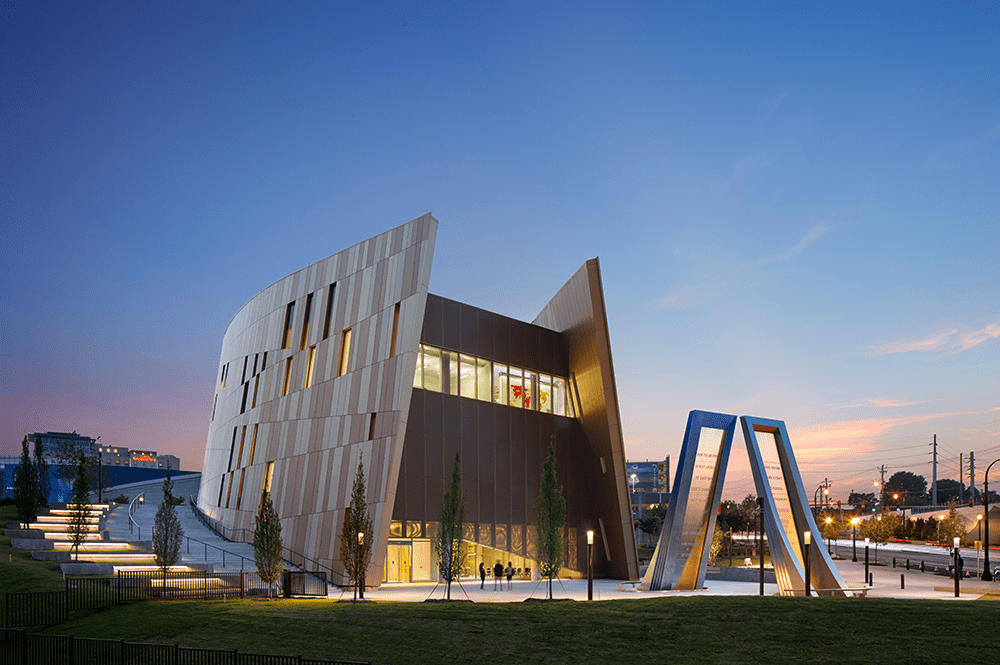
ATLANTA (May 29, 2025) – The National Center for Civil and Human Rights is proud to announce the addition of three distinguished professionals to its Board of Directors, deepening the organization’s strategic capacity in operations, marketing, and community engagement. Joining the Center’s board are: · Nikki Tinsley Harland, Chief Operating Officer of Paradies Lagardère · Verónica Maldonado-Torres, President and CEO of the Georgia Hispanic Chamber of Commerce · Ivan Shammas, Founder and CEO of Hispanic Plug “These new members add to the skills and expertise of our already outstanding Board of Directors,” said Jill Savitt, the Center’s President and CEO. “As the Center prepares to reopen its expanded space and reimagined galleries, our Board of Directors provides leadership that supports the Center’s mission and impact.” Currently under construction, the Center is undergoing a transformative 24,000-square-foot expansion that includes two new wings. These will feature immersive new galleries, classrooms, flexible meeting spaces, and a café—all designed to extend the institution’s educational reach and cultural influence. The Center is set to reopen in Fall 2025. As part of this expansion, the Center is honoring visionary leadership through the naming of its two new wings. The Shirley Clarke Franklin Pavilion, named for the Center’s founding force and former Mayor of Atlanta, will anchor the east wing and serve as a central space for educational programming and community engagement. On the west side, the Arthur M. Blank Inspiration Hall will house three new galleries, including a Special Exhibitions Gallery, a gallery dedicated to the Reconstruction Era, and the Change Agents Headquarters—an interactive, family-friendly gallery experience designed to inspire the next generation of changemakers. Board Chair Egbert Perry, Chairman and CEO of The Integral Group, LLC, and Vice Chair AJ Robinson, President of Central Atlanta Progress, continue to guide the Center’s strategic vision. Board members serve two three-year terms. Board Member Biographies Nikki Tinsley Harland is an accomplished executive with a career spanning leadership roles at Old Navy, the Atlanta Braves, Turner Broadcasting, and Babies “R” Us. She holds a BA in Psychology from Spelman College and an MBA in Marketing from Clark Atlanta University. Harland is deeply involved in civic life, serving on the boards of Children’s Healthcare of Atlanta and The Girl Scouts of Greater Atlanta. She was recently honored as a Georgia TITAN 100 (2025) and received the Airport Experience News Outstanding Woman In Leadership-Operations (2024) award. Verónica Maldonado-Torres has led the Georgia Hispanic Chamber of Commerce through a period of major expansion since 2021. Recognized by Georgia Trend as one of the 100 Most Influential Georgians of 2024, she also serves on the boards of the American Heart Association and The Assembly CID in DeKalb County. Her leadership has brought greater visibility and resources to Hispanic businesses across Georgia, especially in underserved regions. Ivan Shammas is a trailblazer in multicultural media and marketing. As Founder and CEO of Hispanic Plug, he brings more than 25 years of experience in revenue management, operations, and communications. Shammas previously led Univision Atlanta and North Carolina and now supports several nonprofit boards, including The Same House and Cristo Rey Atlanta. About the National Center for Civil and Human Rights The National Center for Civil and Human Rights is a museum and cultural organization that inspires the changemaker in each of us. Founded in 2014, NCCHR connects the US civil rights movement of the 1950s and 1960s to global human rights movements around the world. Its immersive and empathy-building experiences highlight people who have worked to protect rights and model how individuals create positive change. Follow us on Facebook, Twitter, Instagram @ctr4chr, and LinkedIn at linkedin.com/company/ncchr.
How Can Schools Teach Hard Histories?
Teaching students about injustice, resistance, and the long fight for civil and human rights isn’t easy—but it’s essential. These “hard histories” include moments of pain, courage, and profound change. When taught with honesty and sensitivity, they help young people develop empathy, critical thinking, and a deeper understanding of the world around them. So, how can educators approach this vital work in a way that both respects the truth and supports students? Here are five best practices schools can adopt to bring hard histories to life—with integrity and care. Use Primary Sources and Real Artifacts When students engage directly with historical documents, photographs, and objects, they connect more deeply to the past. Primary sources reveal voices and experiences that are often left out of textbooks. That’s why tools like the Traveling Trunks from Atlanta’s National Center for Civil and Human Rights are so valuable. These classroom-ready kits include replica artifacts, primary documents, and lessons designed to immerse students in moments of history—from sit-ins to youth activism—right at their desks. Center Student Inquiry and Critical Thinking Rather than simply delivering facts, invite students to ask questions, analyze evidence, and wrestle with different perspectives. Let them explore: Why did people resist injustice? What choices did ordinary citizens make? How does this relate to our world today? The Center’s Learning Portal contains videos, oral histories, and discussion tools that empower students to examine history through inquiry—not just memorization. Prepare a Safe, Reflective Classroom Culture Difficult topics can bring up strong emotions, especially for students whose families have lived these histories. Establish ground rules for discussion that prioritize respect, curiosity, and care. Create space for emotional reactions and personal connections. Encourage students to notice new or more detailed information and reflect on it in relation to broader public conversations. Support every learner’s voice—and their silence. Highlight Resilience and Agency, Not Just Trauma Hard histories are not only stories of oppression; they are also stories of resistance, creativity, and community. Be sure to emphasize the courage of young people, the power of nonviolent action, and the ways change was (and still is) possible. Connect the Past to the Present Show students that the fight for civil and human rights is ongoing. Discuss current events with historical parallels. Ask how students can participate in their communities today. Encourage them to see themselves not just as learners of history—but as makers of it. Ready to Get Started? Teaching hard histories takes care, but it’s also one of the most meaningful things you can do in the classroom. The National Center for Civil and Human Rights is here to help. Explore our Traveling Trunks and discover digital lessons, stories, and classroom resources in our Learning Portal. Whether you’re in-person or online, these tools will help teachers open new worlds to their students.
The New Reality for DEI Leaders in 2025: Challenges and the Path Forward
In 2025, the landscape of diversity, equity, and inclusion (DEI) has changed dramatically. Once a central pillar of organizational culture and social responsibility, DEI initiatives are now under intense scrutiny and pressure. Legislative pushback, a shifting political climate, and corporate realignment have forced DEI professionals to adapt quickly—or risk seeing years of progress undone. For those charged with leading inclusive culture efforts, the challenges are both complex and urgent. Below are the 10 key concerns facing today’s DEI leaders and why strategic resilience is more critical than ever. Erosion of Former DEI Initiatives Following President Trump’s re-election in 2024, many companies and educational institutions have scaled back or eliminated DEI programs altogether. This rollback raises serious concerns about the long-term viability of diversity and inclusion efforts, particularly those undertaken in response to past public pressure rather than embedded cultural values. Legislative Restrictions Several states have passed legislation that restricts or outright bans DEI efforts in public institutions. Georgia’s House Bill 127, for example, seeks to ban DEI programs in public schools and higher education, sending a chilling message to professionals working in these spaces and leaving many to navigate uncertain legal terrain. Legal Challenges and Compliance The legal landscape surrounding DEI has become increasingly murky. Judicial decisions have begun to question the legality of affirmative action and identity-based programming, forcing organizations to revise their policies to comply with rapidly changing law while still striving for equity. Lack of Executive Support A recent Gartner survey confirmed what many DEI professionals already know: the primary challenge in the field today is the lack of support from senior leadership. Without executive champions, DEI strategies often stall, underfunded and underprioritized. Resource Constraints Even among organizations still committed to inclusion work, limited budgets and staffing are persistent obstacles. DEI teams—often composed of one or two people—are expected to lead large-scale cultural change with minimal resources. Resistance to Change Whether subtle or overt, resistance from employees continues to undermine DEI initiatives. Some feel threatened by change, while others are skeptical of DEI’s value. Addressing this pushback requires strong communication strategies, leadership modeling, and a culture of trust. Balancing Legal and Reporting Obligations Professionals in the DEI space must now walk a tightrope: staying compliant with shifting laws while maintaining transparency with stakeholders who expect impact reporting. Striking this balance is critical for credibility, accountability, and long-term success. Retention of Underrepresented Groups Hiring diverse talent is no longer enough—retaining that talent is the true challenge. Without addressing systemic issues within workplace culture, underrepresented employees may feel unsupported and leave, undoing progress toward workforce equity. Measurement and Accountability Developing meaningful metrics that go beyond surface-level diversity stats remains an ongoing challenge. DEI leaders must define success clearly and work to embed accountability across all levels of the organization. Adapting to Political Climate Shifts With DEI increasingly politicized, professionals must stay agile. Strategies that worked in previous years may now attract legal or political backlash. Navigating these shifts while staying grounded in core equity values is essential. Conclusion: Progress Under Pressure Addressing these challenges requires professionals to be strategic, adaptable, and resilient, ensuring that efforts to improve organizational culture continue to progress despite external pressures. At the National Center for Civil and Human Rights, we’re committed to helping organizations meet this moment through our Culture Connections program—an adaptable, dialogue-based learning experience grounded in history, empathy, and practical strategies. In Q1 of 2025, the most requested modules from our partners include: The Significance of Acceptance Cross-Generational Differences Navigating Challenging Conversations Cultivating Psychological Safety Cultivating Inclusive Behaviors The Business Case for Creating a Positive Organizational Culture Explore our course offerings and curriculum updates here. Ready to bring this learning to your team? Email our team at [email protected] or schedule a discovery call to explore how Culture Connections can support your work in 2025 and beyond.