
A New Chapter for LGBTQ+ Institute
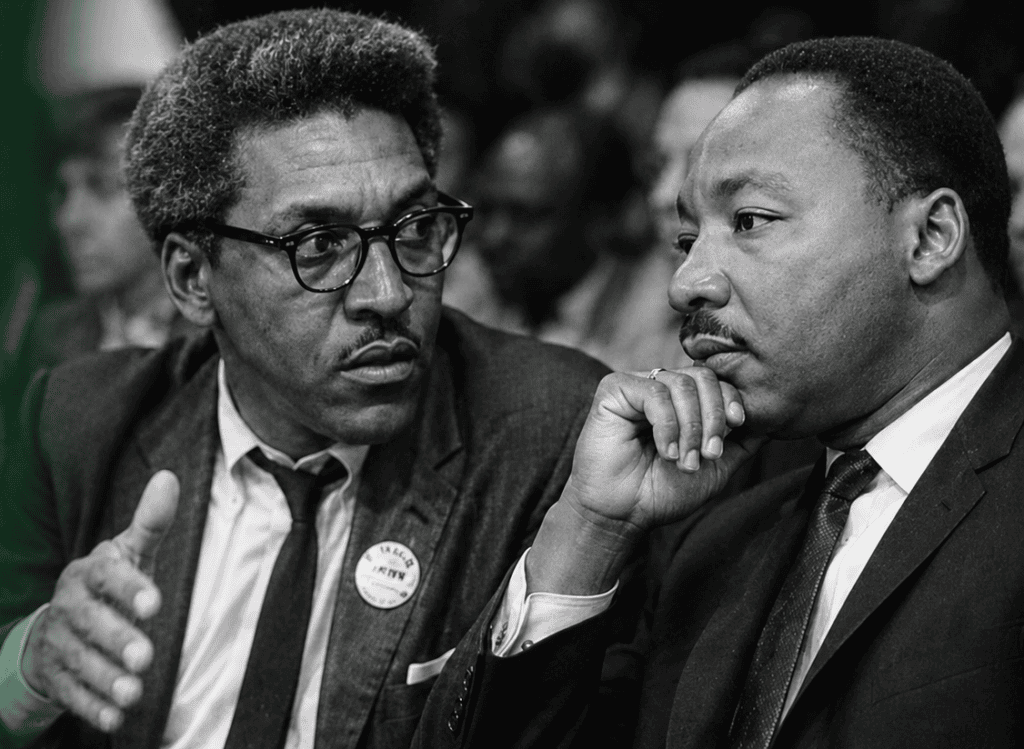
Tim’m West, who served as the director of the LGBTQ+ Institute, established the Rustin Institute as an independent 501(c)(3) organization to deepen its impact, pursue new funding opportunities, and expand partnerships.
Atlanta 101: The National Center for Civil and Human Rights
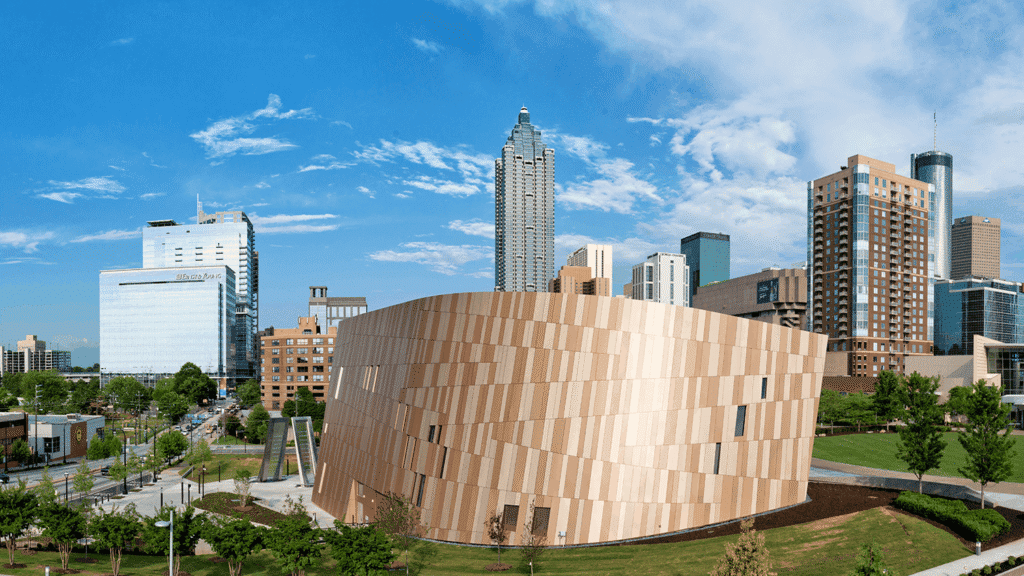
If you’re planning a visit to Atlanta, the National Center for Civil and Human Rights should be at the top of your itinerary. Located in the heart of downtown at 100 Ivan Allen Jr. Boulevard, the Center is more than a museum – it is a place where history, storytelling, and community come together to inspire learning and civic engagement. Whether you are visiting with family, friends, or on your own, the Center invites you to explore the stories that changed our world and continue to shape it today. Explore Exhibits That Inspire Action The Center’s exhibitions encourage visitors to connect the lessons of history with the challenges and opportunities of the present. Through immersive experiences, personal stories, and historical accounts and artifacts, guests gain a deeper understanding of the continual (and often incremental) character of efforts to secure and defend civil and human rights. Among the Center’s signature galleries is the Change Agent Adventure: Children’s Gallery, an interactive space designed for children ages 12 and under. Through hands-on activities, young visitors build confidence, empathy, and the courage to stand up for what is right. The Rolls Down Like Water exhibition offers an immersive look at the American Civil Rights Movement, allowing visitors to engage with the voices, events, and sacrifices that helped transform the nation. Each gallery encourages reflection while demonstrating that meaningful change often begins with ordinary people taking action. Connect Through Community Programs Beyond its exhibitions, the Center serves as a gathering place for community learning and dialogue. Throughout the year, we host programs that encourage visitors of all ages to engage with history in meaningful ways. Families can enjoy Saturday Adventures, a recurring program featuring story times, creative activities, and hands-on learning designed to inspire young changemakers. Our seasonal celebrations, educational workshops, cultural performances, and public conversations also provide opportunities for visitors to connect with one another while exploring themes of justice, equality, and shared responsibility. At the Center, we don’t just preserve history; we create spaces where communities come together to learn, reflect, and grow. Plan Your Visit Whether you are a lifelong Atlanta resident or visiting the city for the first time, the National Center for Civil and Human Rights offers an experience that is both educational and inspiring. Conveniently located near several of Atlanta’s most popular attractions, the Center provides visitors with opportunities to deepen their understanding of civil and human rights while discovering ways to make a positive impact in their own communities. Every visit is an invitation to learn from the past, engage with the present, and help shape a more just future. Visit our website at www.civilandhumanrights.org to see the latest happenings at the Center and get your tickets today.
Storytelling for Racial Healing: How Stories Build Understanding and Change
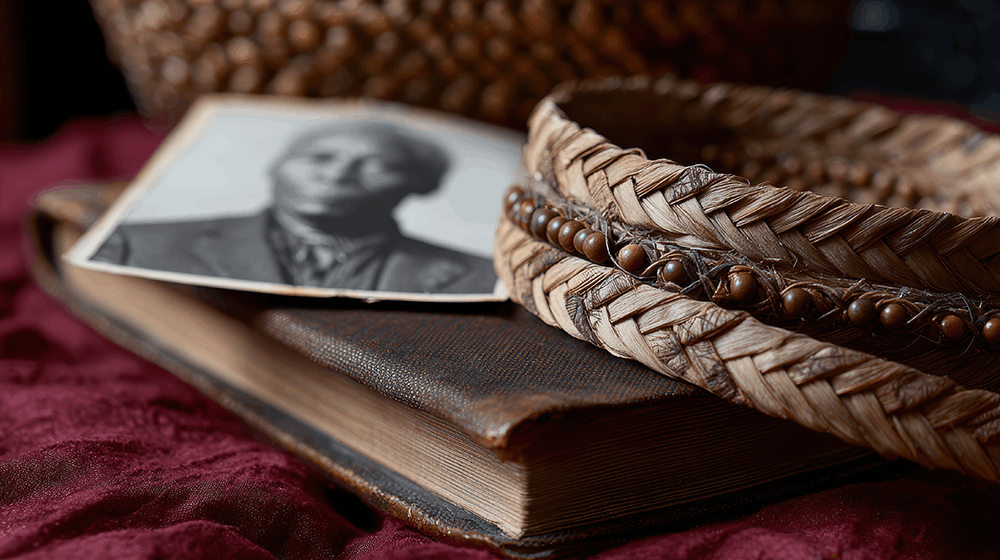
As old as humanity itself, storytelling has always offered a powerful way to connect people, deepen understanding, and confront difficult histories. In a time when many communities are seeking paths toward greater equity and inclusion, storytelling helps us bridge divides by bringing personal experiences to the forefront. Through shared narratives, people can better understand both the past and its impact on the present. Truth-Telling as a Foundation At the core of storytelling for racial healing is truth-telling. For generations, many voices were excluded from historical narratives, leaving gaps in how we understand our shared past. Personal stories and oral histories help fill those gaps by centering lived experiences of injustice, resilience, and resistance. When people share their stories, history becomes more than dates and events; it becomes personal and immediate. A listener may begin to see connections between past discrimination and present-day inequalities. This process encourages empathy and invites reflection, both of which are essential for dialogue that is meant to heal. Storytelling also supports healing for those who share their experiences. Naming and preserving personal and community histories can validate identity and foster a sense of belonging. For listeners, the act of bearing witness helps build respect and understanding across differences. Preserving Memory and Building Connection Museums, cultural centers, and community programs play an important role in advancing storytelling for racial healing. Through exhibits, archives, and facilitated conversations, they create spaces where stories can be shared and preserved. Intergenerational storytelling has an especially powerful effect. When elders share memories of segregation, migration, or civil rights activism, younger generations gain an insight into history’s influence on the present that cannot be acquired in any other way. These exchanges strengthen community ties and ensure that important lessons are not lost over time. Research also shows that stories can foster emotional connection. When we hear a personal narrative, we often relate to the emotions being expressed. This shared understanding can shatter stereotypes and create common ground, even among people with very different backgrounds. From Stories to Social Change While storytelling is powerful, it must be joined with structural change—policies, education, and accountability that address systemic inequities – to achieve lasting social progress. As a first step, however, storytelling is hard to match, as it inspires people to learn more, engage in dialogue, and support efforts that promote fairness and opportunity as little else can. Institutions dedicated to civil and human rights help guide this process by connecting stories to historical context and current issues. By doing so, they encourage visitors and communities to think critically about the role each person plays in shaping a more just society. Storytelling for racial healing reminds us that understanding begins with listening. By honoring diverse experiences and preserving community memory, we create opportunities for empathy and connection. As individuals and communities continue this work, storytelling will remain an essential tool for education, reflection, and shared responsibility in building a more inclusive future.
Soccer and Human Rights: How the Beautiful Game Inspires Change

Soccer has long been linked to civil and human rights through the power of teamwork, perseverance, and a commitment to dignity and inclusion. As the world’s most popular sport, the beautiful game brings together people from different cultures, languages, and backgrounds. Beyond the excitement of competition, fans and players alike have creatively harnessed the game to causes and conversations about equality, human rights, and community. From neighborhood pitches to international tournaments, soccer shows us that sports can unite people while inspiring meaningful social change. A Global Platform for Equality Throughout its history, soccer has mirrored both society’s challenges and its progress. Athletes, clubs, and organizations have used the sport to confront discrimination and encourage inclusion. Campaigns such as Kick It Out in the United Kingdom, declaring its intention to “put an end to all forms of discrimination within sport,” have raised awareness about racism, sexism, and homophobia in the game, while leagues and governing bodies around the world have introduced initiatives that promote respect and equal opportunity for players and fans alike. In recent years, individual athletes have played an increasingly important role in this work. Soccer luminaries like Marcus Rashford and Megan Rapinoe have used their platforms to advocate for such issues as food security, equal pay, and gender equity. Their leadership illustrates how athletes can inspire dialogue both on and off the field while encouraging others to engage with and advocate for their communities. Building Stronger Communities Through Sport Efforts of this kind extend far beyond professional competition. Community organizations use soccer to foster belonging, leadership, and opportunity for young people. Youth leagues and local programs such as Soccer in The Streets provide youth with access to mentorship, education, and safe spaces where teamwork and mutual respect are encouraged alongside athletic development. Such projects show that sports can strengthen communities by creating environments where every participant feels valued even as they instill good habits around civic engagement, collaboration, and education – all of which are central to advancing civil and human rights. Preserving Stories That Inspire Action – The People’s Game at the Center Museums like the National Center for Civil and Human Rights help preserve the stories that connect sports to broader movements for justice and equality. By documenting the experiences of athletes and communities that have challenged oppression and discrimination, these institutions show how individual actions can help to effect lasting change. The Center provides a brilliant and captivating collection of examples in its newest exhibition, The People’s Game: Soccer and Human Rights, featuring stories from around the globe: the Afghanistan Women’s National Team, Didier Drogba and the Ivory Coast national team during civil war, the FLN Team during Algeria’s fight for independence, refugee youth in Clarkston through Fugees Family, prisoners organizing soccer leagues on Robben Island during apartheid, the U.S. Women’s National Team’s fight for equal pay, and many more. The exhibition will be on view through June 2027. Come see what inspired and determined people can accomplish in the world of sport and beyond.
America at 250: Reflecting on Our Past and Shaping Our Future

This summer, the United States will celebrate the 250th anniversary of the signing of the Declaration of Independence on July 4, 1776. This foundational moment gave a concrete, if imperfect, form to a vision rooted in liberty, equality, and self-governance. Over the past 250 years, the nation has made significant progress toward the realization of these ideals while also confronting the complexities of its history. This milestone provides an opportunity to both reflect on national progress and reckon with the work that remains. Across the country, communities, cultural institutions, and civic organizations are collaborating to mark this historic anniversary in meaningful ways. Through festivals, public programs, exhibitions, and discussions, Americans are celebrating progress while engaging in deeper reflection on the nation’s past, present, and future. These gatherings and dialogues encourage us all to examine the contemporary meaning of democracy and to consider our roles in shaping it. At the National Center for Civil and Human Rights, this milestone aligns with our mission. We honor the stories of individuals and movements that have advanced civil and human rights while also recognizing the complexities of our shared history. We maintain that understanding the past empowers individuals to take informed action in the present. Through our programs and resources, we support visitors in transforming reflection into impact, whether by learning about relevant issues or by finding opportunities for civic engagement. When you visit our website, you’ll find a list of passions you can champion and a variety of ways to take action and make a difference. We encourage you to check out those resources and find a way to contribute to shaping our nation’s future. To commemorate this occasion, we are hosting a weekend of programs at the Center designed to inspire reflection, connection, and action: July 2: We Hold These Truths July 3: UPS Free Museum Admission Day July 4: Saturday Adventures July 4–5: Bank of America Museums on Us We invite you to join us in celebrating this historic milestone, reflecting on our collective journey, and taking meaningful steps toward building a more just and inclusive future.
UPS Generous Donation Supports Operation Inspiration Company and Sponsors Upcoming Free Admission Day
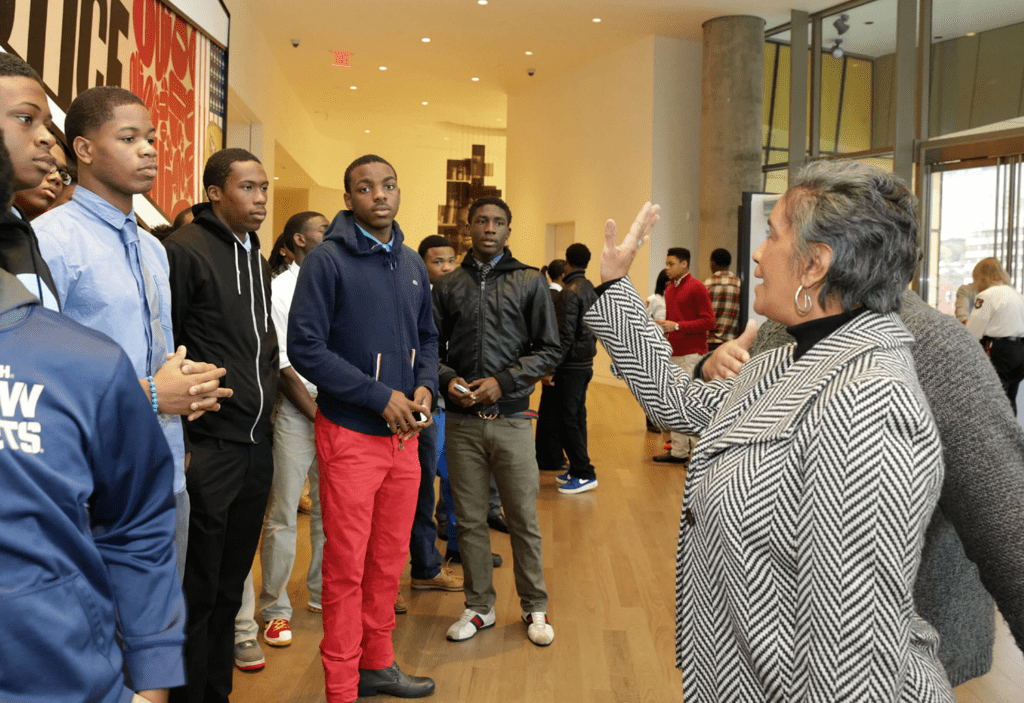
ATLANTA, GA — The National Center for Civil and Human Rights announced today that UPS has donated $25,000 in support of Operation Inspiration, the Center’s initiative that provides free admission and access to transformative educational experiences for students and communities in need. In addition to the financial contribution, UPS is sponsoring a Free Admission Day on Friday, July 3, 2026, welcoming the public to experience the Center at no cost. Together, this support helps remove financial barriers while expanding access to stories of courage, justice, and social change that inspire visitors to engage with civil and human rights history. “At the Center, we believe access to history, truth, and transformative learning experiences should never be limited by financial barriers,” said Dr. Quisa Foster, Chief Development Officer at the National Center for Civil and Human Rights. “UPS’s generous support of Operation Inspiration and sponsorship of Free Admission Day reflects a meaningful investment in the next generation of changemakers and in the communities we serve every day. Partnerships like this help ensure that students, families, and visitors can engage with stories that challenge, inspire, and empower them to see themselves as part of the ongoing work to advance civil and human rights.” Operation Inspiration ensures students who might not otherwise have the opportunity can experience the Center through immersive learning that helps them see themselves reflected in history and empowered to shape the future. “UPS and The UPS Foundation are proud to partner with the National Center for Civil and Human Rights, an institution that serves as a cornerstone of the community and a catalyst for education, reflection, and dialogue,” said Patrick Smith, Community Relations of The UPS Foundation. “Through its engaging exhibits and immersive experiences, the Center offers residents and visitors alike the opportunity to explore the pivotal events, movements, and achievements that have shaped civil and human rights history.” UPS’s support reflects its broader commitment to building safer, more resilient, and inclusive communities through strategic philanthropy, local engagement, and long‑term partnerships. About UPS The UPS Foundation leads UPS’s global citizenship and philanthropic efforts, delivering pathways to empower resilient, just, and safe communities around the world. Founded in 1951, the Foundation focuses on four key areas: health and humanitarian relief, equity and economic empowerment, local community engagement, and planet protection. Through cash grants, in‑kind support, employee volunteering, and UPS’s logistics expertise, The UPS Foundation works to make a measurable and lasting difference in communities globally. About the National Center for Civil and Human Rights The National Center for Civil and Human Rights is a museum and cultural organization that inspires the changemaker in each of us. Opened in 2014, the Center connects US civil rights history to global human rights movements today. Our experiences highlight people who have worked to protect rights and who model how individuals create positive change. For more information, visit civilandhumanrights.org. Follow us on Facebook, TikTok, Instagram, YouTube, and LinkedIn @civilandhumanrights. Media Contact: Tenisha Griggs Chief Marketing Officer [email protected]
Family Activities in Atlanta This Summer: Making Memories Together
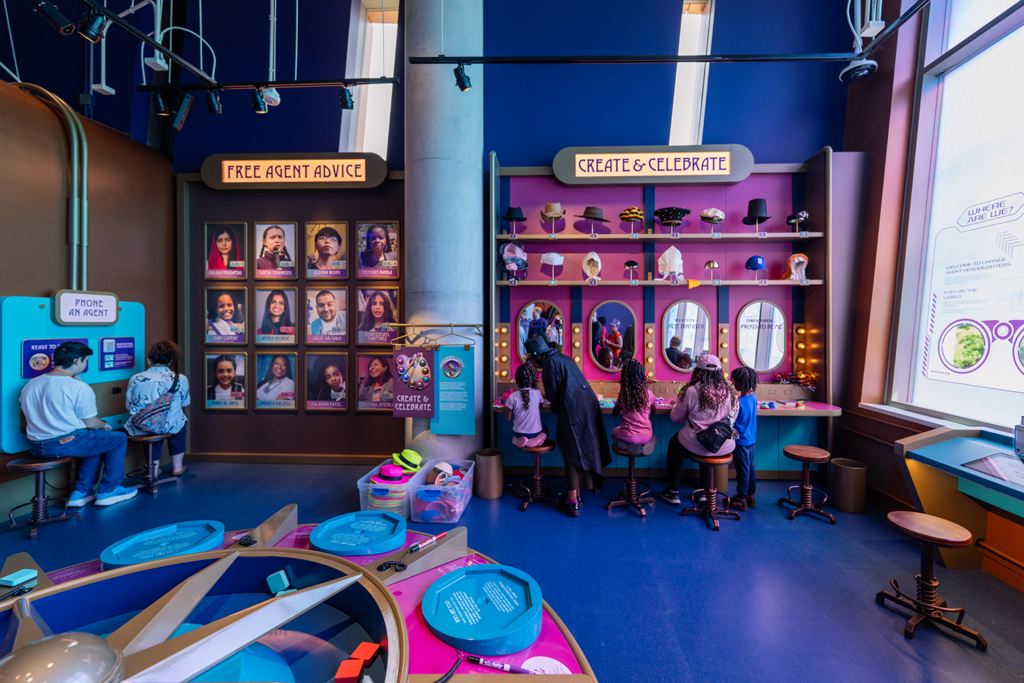
Atlanta offers a range of family-friendly summer activities that provide more than just entertainment – they furnish opportunities for connection, learning, and shared experiences that families can remember for years to come. As schedules slow down and the days grow longer, summer becomes the perfect time to explore new traditions together. From museums and parks to movie nights at home, there is no shortage of meaningful activities that can help families strengthen bonds while discovering more about their community (and having fun!). Explore Learning Through Play One of the more engaging family activities in Atlanta this summer is visiting the National Center for Civil and Human Rights. The Center creates opportunities for families to explore history, empathy, and civic engagement together in a welcoming environment. Our new Change Agent Adventure: Children’s Gallery invites children and caregivers to participate in hands-on activities designed to build curiosity and social awareness. Through interactive exhibits, young visitors learn about fairness, kindness, and community responsibility in novel and accessible ways. Programs like the Center’s Saturday Adventures also offer story times, arts and crafts, and family-centered activities that change each week, giving families something new to discover with every visit. Enjoy Simple Moments at Home Not every memorable summer activity requires leaving the house. Movie nights and game nights remain timeless ways to bring families together. Choosing a favorite film, making popcorn, and spending uninterrupted time together can create lasting memories in the middle of a slower season. Board games and interactive activities also encourage teamwork, laughter, and conversation. These simple moments often become the traditions children remember most. In a world filled with distractions, setting aside intentional family time helps strengthen communication and connection across generations. Discover Atlanta’s Outdoor Spaces Atlanta offers abundant opportunities for families to relax and reconnect outdoors. The open green spaces of Piedmont Park are perfect for picnics, walks, and outdoor games. Families can enjoy fresh air while spending quality time together in one of Atlanta’s most popular gathering spaces. Nearby, the Atlanta Beltline combines walking and biking trails with public art installations, community spaces, and diverse dining options. Exploring murals, sculptures, and neighborhood paths together encourages families to engage with the city in creative and physically beneficial ways. Image Source Summer activities in Atlanta can be both fun and meaningful. Whether exploring a museum, gathering for a game night, or spending time outdoors, these shared experiences help families build stronger connections and create lasting traditions. By making space for learning, reflection, and togetherness, families can turn everyday summer moments into opportunities for growth, joy, and community engagement.
The National Center for Civil and Human Rights Opens Landmark Soccer and Human Rights Exhibition for FIFA World Cup 2026™
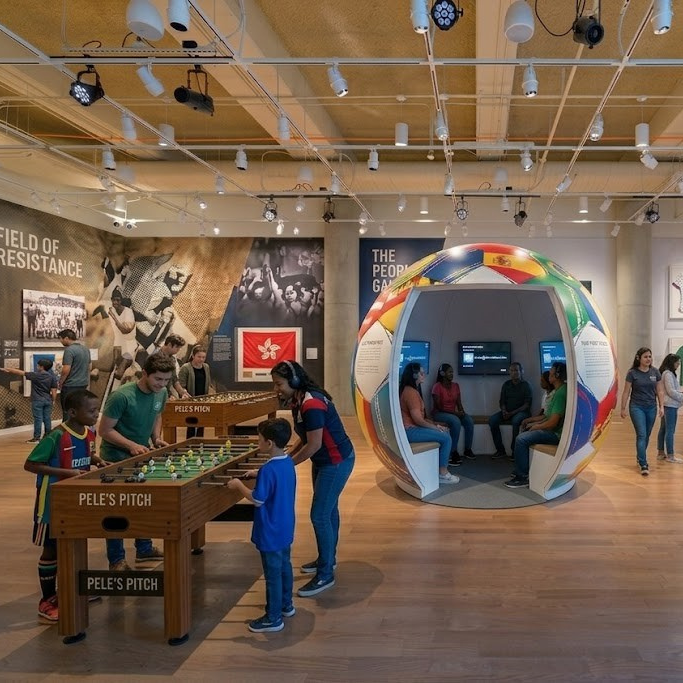
Immersive exhibit opening June 20 explores how the “people’s game” is a powerful force for belonging, activism, and connection ATLANTA (June 9, 2026) – As Atlanta prepares to welcome global visitors for World Cup 2026™, the National Center for Civil and Human Rights (Center) will open The People’s Game: Soccer and Human Rights, a landmark new exhibition exploring how fans, players, and teams leverage soccer into a force for dignity, community, and social change. Opening June 20 and on view for one year, the exhibition is presented with support from Gallagher and the Arthur M. Blank Family Foundation in partnership with Atlanta United. “As Atlanta prepares to welcome the world for FIFA World Cup 2026, we have an extraordinary opportunity to showcase not only our passion for soccer, but also the values that define our city. The People’s Game highlights the power of sport to bring people together across cultures, create a sense of belonging and inspire positive change. We are proud to support an exhibition that reflects Atlanta’s spirit of inclusion and service while inviting visitors from around the globe to explore the connections between soccer, community and human dignity.” -Arthur M. Blank, Chairman, Arthur M. Blank Family Foundation The People’s Game exhibition includes connections to globally recognized players, clubs, and movements including Pelé, Megan Rapinoe, Didier Drogba, Corinthians, FC St. Pauli, Bayern Munich, and Atlanta United. Curated by Daniel Fuller, Director of Curation at the Center, The People’s Game exhibition brings together immersive storytelling, global artifacts, photography, sound, film, and interactive experiences—including a new take on foosball—that explore the cultural power of soccer far beyond the pitch. Visitors will encounter an immersive “Audio Dome” featuring voices from players, supporters, activists, refugees, historians, and community leaders from around the world reflecting on how soccer shapes social movements. The exhibition also features stories connected to anti-apartheid activists in South Africa, democracy movements in Brazil and Côte d’Ivoire, refugee and immigrant communities, and supporter groups using soccer as a platform for inclusion and social change. “Soccer is the world’s most popular sport, but its importance extends far beyond the game itself,” said Daniel Fuller, curator of The People’s Game: Soccer and Human Rights. “Across generations and continents, football has become a language through which people express identity, build community, resist oppression, and imagine a more just world.” Arriving during a period of intense global debate around migration, nationalism, race, gender, and labor in sport, the exhibition examines how soccer continues to reflect broader struggles over belonging and human dignity. The exhibition highlights Atlanta’s role as a global crossroads shaped by migration, activism, and the growing cultural impact of soccer. Featured stories include Soccer in the Streets; the refugee-centered work of Fugees Family in Clarkston, GA; and artifacts connected to Atlanta United’s community impact. Also located inside the museum, visitors will experience a special display of more than 20 signed jerseys from legendary players including Lionel Messi, Cristiano Ronaldo, and Pelé, celebrating the sport’s lasting global influence. To help welcome international audiences expected during World Cup 2026™, the Center is also launching MIA, a new AI-powered multilingual interpretation application developed in partnership with The Legacy Line, an Atlanta-based immersive technology company. Accessible through visitors’ mobile phones, the platform instantly translates exhibition content into more than 30 languages through text and audio experiences available throughout the museum. “We believe stories about dignity and human rights should be accessible and meaningful to people from every background,” said Jill Savitt, CEO of the National Center for Civil and Human Rights. “As the world comes to Atlanta, this exhibition shows how soccer can bring people together across cultures and borders while reminding us that ordinary people have the power to strengthen communities and shape history.” The People’s Game: Soccer and Human Rights opens June 20 at the National Center for Civil and Human Rights and will remain on view for one year. For tickets and information, visit civilandhumanrights.org/soccer-and-human-rights. About the National Center for Civil and Human Rights The National Center for Civil and Human Rights is a museum and cultural organization that inspires the changemaker in each of us. Opened in 2014, the Center connects American civil rights history to global human rights movements today. Our experiences highlight people who have worked to protect rights and who model how individuals create positive change. For more information, visit civilandhumanrights.org. Follow us on Facebook, X, Instagram @civilandhumanrights and LinkedIn at linkedin.com/company/ncchr. Media Contact: Tenisha Griggs Chief Marketing Officer [email protected]
The National Center for Civil and Human Rights Welcomes New Board Member
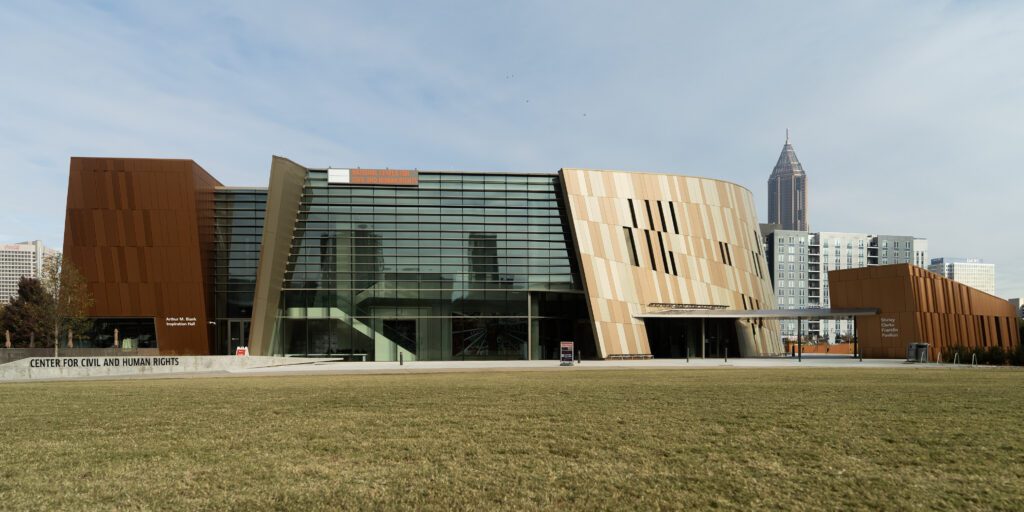
ATLANTA – June 4, 2026 – The National Center for Civil and Human Rights is pleased to announce the appointment of Joel L. Pascaner to its board of directors. As with all Center directors, Pascaner will serve two three-year terms. “We are delighted Joel has joined us,” said Jill Savitt, the Center’s President and CEO. “He has long been a champion of the Center and believes deeply in all that we do.” Pascaner, a Principal with Jones and Kolb, is a member of the New York State Society of Certified Public Accountants (NYSSCPA), the American Institute of Certified Public Accountants (AICPA), the Atlanta Tax Forum, and the Atlanta Estate Planning Council. He brings more than 40 years of accounting experience to the Center’s board. He joins the Atlanta institution at a pivotal moment, with the Center recently reopening after a $58 million expansion that included two new wings. “I intend to assist in the evolution of this newly renovated and state-of-the-art facility,” said Pascaner. “I want to help ensure that it becomes the highly respected organization that it deserves to be, as well as the primary source and national destination for civil and human rights from a cultural, educational, and ethical perspective.” About the National Center for Civil and Human Rights NCCHR is a museum and cultural organization that inspires the changemaker in each of us. Founded in 2014, NCCHR connects US civil rights history to global human rights around the world today. Our immersive and empathy-building experiences highlight people who have worked to protect rights and who model how individuals create positive change.
Saturday Adventures at the Center: Family Learning Experiences That Inspire
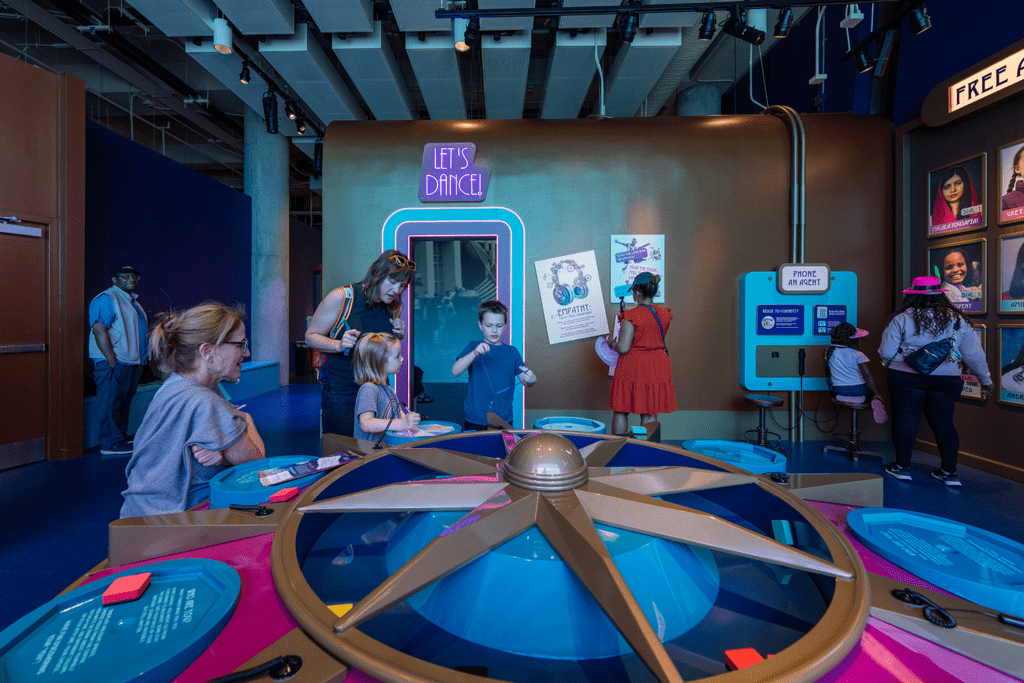
In today’s fast-moving world, finding meaningful ways to spend time as a family can be challenging. The National Center for Civil and Human Rights — just in time for summer vacation — has an answer: introducing Saturday Adventures, a new program that offers families a chance to slow down, learn together, and build lasting memories rooted in education and community. Based in our newly opened Change Agent Adventure: Children’s Gallery, no two Saturdays will be the same. One may feature a children’s author reading stories about courage and community; another may include arts & crafts and other creative activities that encourage self-expression and teamwork. What they all have in common is a magical fusion of learning and creativity that sparks curiosity in young visitors while introducing them to themes of fairness, empathy, and civic engagement. Our Saturday Adventures also create opportunities for meaningful family conversations. Parents and caregivers can use exhibits and activities as starting points to discuss topics such as equality, kindness, and standing up for others. Such moments of dialogue have the additional benefit of helping children build confidence in asking questions and sharing their thoughts – possibly leading to grown-ups learning a thing or two themselves. The Center’s Saturday Adventures show, in a way that can’t be missed, how our museum is the Southeast’s premier space for discovery, dialogue, and family connection. Through storytelling, creativity, and shared learning, these family learning experiences at the Center help young people become thoughtful, engaged community members. By making time for these experiences, families help keep the values of empathy, education, and human dignity alive for future generations. _________________________________________________________________ Your Saturday Must-Have: Saturday Adventures at the Center Finding Balance is Difficult, but Not Impossible Finding balance in a busy work week can be difficult. If a majority of your time is spent at a job Monday through Friday, then Saturdays should be spent differently. Saturdays should be spent with the family! Come press pause with us at our Saturday Adventures as you take a break from the fast-paced nature of the work week. At the National Center for Civil and Human Rights, we encourage families to “make new traditions,” as you explore, learn, and grow together. “Your Families’ New Saturday Tradition” “Your families’ new Saturday tradition,” is how we like to think of our Saturday Adventures. We know that after one visit, you will think of it this way too! Our Children’s Gallery offers an interactive experience curated for kids ages twelve and under. We prioritize creating young changemakers and we aim to do so by sparking curiosity and encouraging connection through our family programming. Saturday Adventures offer storytimes, arts & crafts, and activities for kids and their guardians. No Saturday is like the one before; each Saturday, there is something new to explore! From hands-on activities that teach kids how to express themselves to special story reading sessions led by the authors themselves. There’s something for everyone here. Not sure when you want to visit? Here are the next upcoming dates: May 16th 10:00a – 4:00p May 23rd 10:00a – 4:00p May 30th 10:00a – 4:00p An Environment Designed to Evoke Change We look forward to creating new traditions with you. What better environment to do it in? The weekday is filled with its own tasks, schedule building your kid’s confidence for Saturdays at Saturday Adventures. A small change in your routine can make a greater impact than you may think and a connection you didn’t expect. For more information regarding registering for Saturday Adventures, visit our website.