
Saturday Adventures at the Center: Family Learning Experiences That Inspire
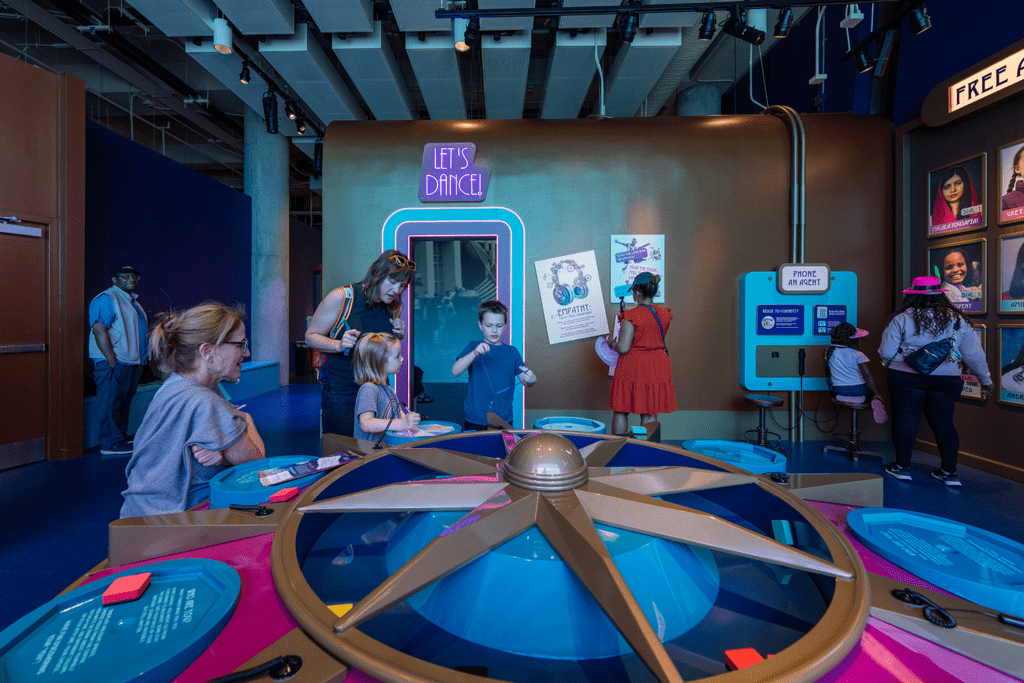
In today’s fast-moving world, finding meaningful ways to spend time as a family can be challenging. The National Center for Civil and Human Rights — just in time for summer vacation — has an answer: introducing Saturday Adventures, a new program that offers families a chance to slow down, learn together, and build lasting memories rooted in education and community. Based in our newly opened Change Agent Adventure: Children’s Gallery, no two Saturdays will be the same. One may feature a children’s author reading stories about courage and community; another may include arts & crafts and other creative activities that encourage self-expression and teamwork. What they all have in common is a magical fusion of learning and creativity that sparks curiosity in young visitors while introducing them to themes of fairness, empathy, and civic engagement. Our Saturday Adventures also create opportunities for meaningful family conversations. Parents and caregivers can use exhibits and activities as starting points to discuss topics such as equality, kindness, and standing up for others. Such moments of dialogue have the additional benefit of helping children build confidence in asking questions and sharing their thoughts – possibly leading to grown-ups learning a thing or two themselves. The Center’s Saturday Adventures show, in a way that can’t be missed, how our museum is the Southeast’s premier space for discovery, dialogue, and family connection. Through storytelling, creativity, and shared learning, these family learning experiences at the Center help young people become thoughtful, engaged community members. By making time for these experiences, families help keep the values of empathy, education, and human dignity alive for future generations. _________________________________________________________________ Your Saturday Must-Have: Saturday Adventures at the Center Finding Balance is Difficult, but Not Impossible Finding balance in a busy work week can be difficult. If a majority of your time is spent at a job Monday through Friday, then Saturdays should be spent differently. Saturdays should be spent with the family! Come press pause with us at our Saturday Adventures as you take a break from the fast-paced nature of the work week. At the National Center for Civil and Human Rights, we encourage families to “make new traditions,” as you explore, learn, and grow together. “Your Families’ New Saturday Tradition” “Your families’ new Saturday tradition,” is how we like to think of our Saturday Adventures. We know that after one visit, you will think of it this way too! Our Children’s Gallery offers an interactive experience curated for kids ages twelve and under. We prioritize creating young changemakers and we aim to do so by sparking curiosity and encouraging connection through our family programming. Saturday Adventures offer storytimes, arts & crafts, and activities for kids and their guardians. No Saturday is like the one before; each Saturday, there is something new to explore! From hands-on activities that teach kids how to express themselves to special story reading sessions led by the authors themselves. There’s something for everyone here. Not sure when you want to visit? Here are the next upcoming dates: May 16th 10:00a – 4:00p May 23rd 10:00a – 4:00p May 30th 10:00a – 4:00p An Environment Designed to Evoke Change We look forward to creating new traditions with you. What better environment to do it in? The weekday is filled with its own tasks, schedule building your kid’s confidence for Saturdays at Saturday Adventures. A small change in your routine can make a greater impact than you may think and a connection you didn’t expect. For more information regarding registering for Saturday Adventures, visit our website.
Norfolk Southern grants $25,000 to The National Center for Civil and Human Rights in support of Operation Inspiration
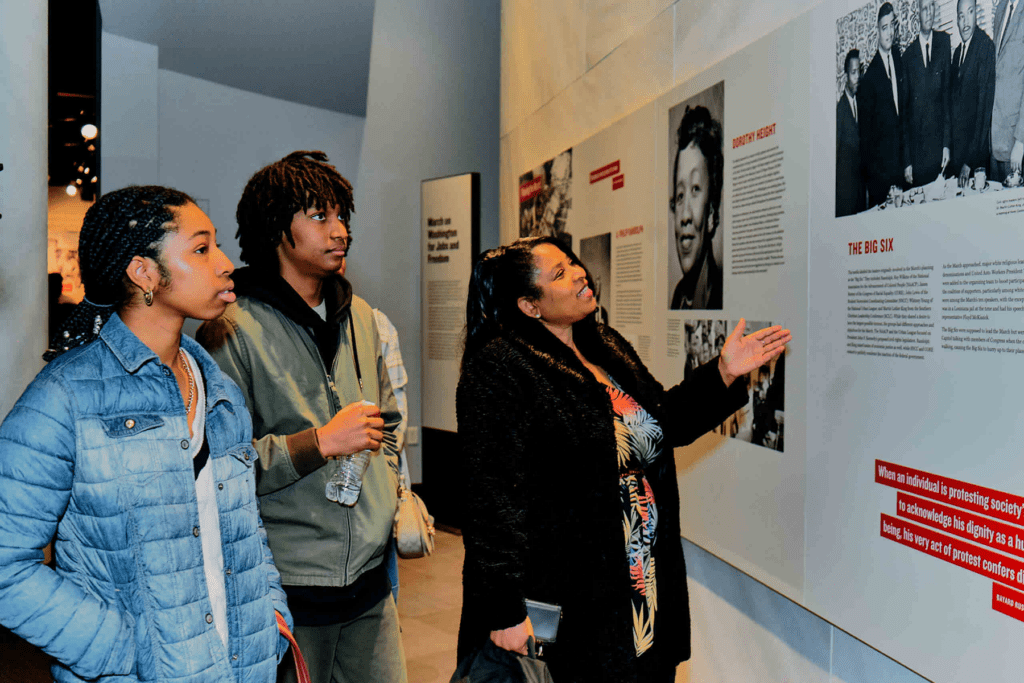
Atlanta, GA 6/1/2026 — The National Center for Civil and Human Rights is proud to announce it has received a $25,000 grant from Norfolk Southern through its Thriving Communities Grant Program. The funding will support Operation Inspiration, a Center initiative that provides free admission to at-need students. Norfolk Southern has been a significant parter of the Center over the past few years and with this additional support, around 2,100 students will have the opportunity to visit the Center for free. This grant is part of Norfolk Southern’s commitment to strengthening the communities it serves across its 22-state network. Launched in 2023, Norfolk Southern’s open-application grant programs are designed to support organizations working to further the areas of safety, sustainability, workforce development, and community resilience. “Our partnership with Norfolk Southern ensures that the Center will be an even more powerful space for education, dialogue, and action — one that prepares people to become engaged within their communities.” Jill Savitt, CEO of The National Center for Civil and Human Rights. Operation Inspiration grants free admission for at-need students, opening doors to powerful learning experiences at the Center. Through immersive field trips, these students engage with stories of courage, justice, and change. These experiences help students see themselves reflected in history and recognize their own power to shape the future. Donations to Operation Inspiration remove financial barriers, ensuring more young people can access this transformative educational opportunity. “The Thriving Communities Grant Program supports initiatives that bolster local economies and promote long-term resilience,” said Kristin Wong, Director of the Norfolk Southern Foundation & Community Impact. “From sustainability efforts and job training to community-building programs, the grant empowers nonprofit and community organizations working to create lasting impact.” The Norfolk Southern grant application process for 2026 is open through August 3. More information is available on the company’s website. ### About The National Center for Civil and Human Rights The National Center for Civil and Human Rights is a museum and cultural organization that inspires the changemaker in each of us. Opened in 2014, the Center connects US civil rights history to global human rights movements today. Our experiences highlight people who have worked to protect rights and who model how individuals create positive change. For more information, visit civilandhumanrights.org. Follow us on Facebook, TikTok, Instagram, YouTube, and LinkedIn @civilandhumanrights. About Norfolk Southern Since 1827, Norfolk Southern Corporation (NYSE: NSC) and its predecessor companies have safely moved the goods and materials that drive the U.S. economy. Today, it operates a 22-state freight transportation network. Committed to furthering sustainability, Norfolk Southern helps its customers avoid approximately 15 million tons of yearly carbon emissions by shipping via rail. Its dedicated team members deliver approximately 7 million carloads annually, from agriculture to consumer goods. Norfolk Southern also has the most extensive intermodal network in the eastern U.S. It serves a majority of the country’s population and manufacturing base, with connections to every major container port on the Atlantic coast as well as major ports across the Gulf Coast and Great Lakes. Learn more by visiting www.NorfolkSouthern.com. Media Contact: Tenisha Griggs Chief Marketing Officer [email protected]
Asian American and Pacific Islander Civil Rights Activists to Know This AAPI Heritage Month
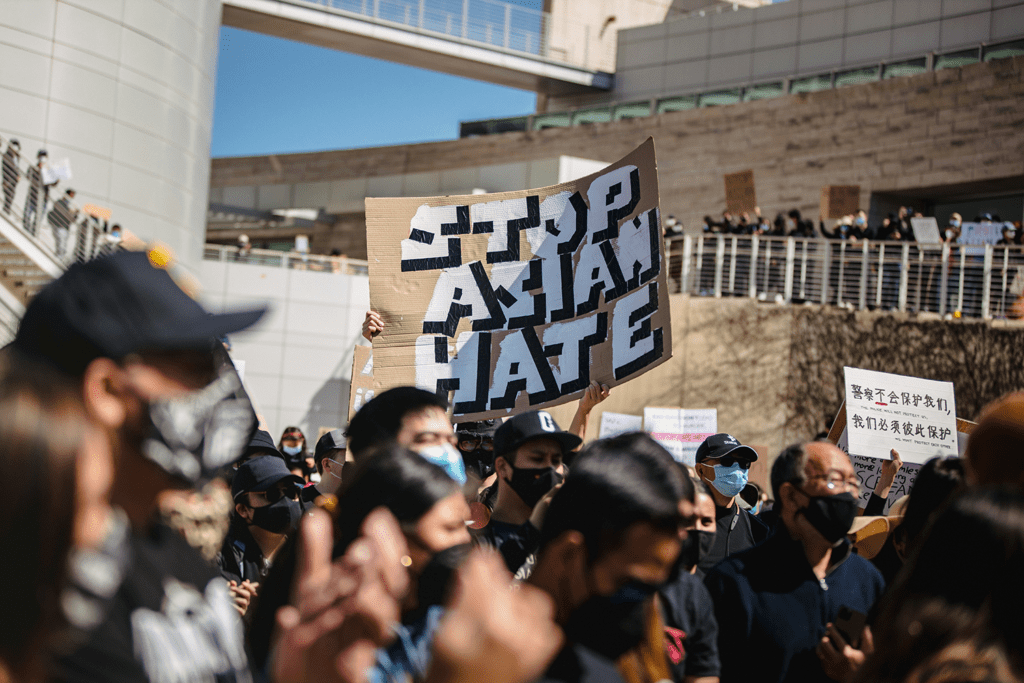
Every May, people across the country celebrate Asian American and Pacific Islander Heritage Month by honoring the stories, cultures, and contributions of AAPI communities. Learning about Asian American civil rights activists helps us recognize the historical threads that connect the past to the ongoing fight for equality, education, and human rights. From labor organizing to disability justice and youth activism, these leaders helped advance conversations that still matter today. Building Movements Through Community and Courage Yuri Kochiyama spent her life advocating for racial justice, anti-war efforts, and solidarity between communities. After experiencing the internment of Japanese Americans during World War II, she became deeply involved in civil rights activism and worked alongside Black, Latino, and Asian organizers to promote human dignity and equality. Larry Itliong helped organize farmworkers in California during the 1960s. Alongside fellow labor leaders, he fought for fair wages and safe working conditions for agricultural workers. His example reminds us of the deep connection between labor rights and human rights. Grace Lee Boggs dedicated more than 70 years to community organizing and social change. Based in Detroit, she focused on education, civic engagement, and neighborhood empowerment. Her work encouraged people to consider how collaborative efforts across disparate communities can create lasting change. Voices for Representation and Justice Patsy Mink became the first woman of color elected to the United States Congress in 1964. She co-authored Title IX, a landmark law that expanded educational and athletic opportunities for women and girls. Her legacy continues to shape conversations about equal opportunity in schools and universities today. Helen Zia has spent decades advocating for civil rights, gender equity, and Asian American visibility. Through her journalism and advocacy, she played a major role in having federal civil rights charges brought against the killers of Vincent Chin in a notorious 1982 case, a moment that galvanized Asian Americans against hate and discrimination. Author Alice Wong is a modern leader in disability justice and digital storytelling. Through community projects and public advocacy, she highlights the importance of accessibility, representation, and inclusion for disabled people across all communities. Why These Stories Matter Today The stories of these Asian American civil rights activists remind us that history is not only something we study in books or museums; it is a vital force that continues to shape our communities, conversations, and responsibilities today. At museums and cultural institutions like the National Center for Civil and Human Rights, storytelling helps preserve voices that may otherwise be overlooked while inspiring future generations to engage with issues of justice and equality. This AAPI Heritage Month, taking time to learn about these leaders can encourage dialogue, deepen understanding, and strengthen connections across communities. Their work, through education, empathy, and collective action, continues to light the way to a more inclusive future for all.
Serving After the Service: Honoring Veteran Civil Rights Activists Who Changed America
Memorial Day and Armed Forces Day encourage us to honor and pay respects to those we’ve lost and to our living veterans for their military service and sacrifice. Here at the Center, we would like to recognize veteran civil rights activists who continued serving their communities long after returning home. Across different ethnicities, backgrounds, and generations, many veterans became powerful voices for equality, education, and human rights. Veterans Who Fought for Rights at Home One influential veteran activist was Medgar Evers, an African American Army veteran who served during World War II before becoming a leading figure in the Civil Rights Movement. After returning home, Evers worked with the NAACP as one of the organization’s first field secretaries in Mississippi. He organized voter registration efforts, supported boycotts against segregated businesses, and challenged racial discrimination throughout the South. Latino communities were also served by veteran activists such as Hector P. Garcia. After serving in World War II, Garcia founded the American GI Forum in 1948 to advocate for Mexican American veterans facing discrimination in healthcare, housing, and education. His work helped bring national attention to the unequal treatment many Latino veterans experienced after military service. Another major figure was Daniel Inouye, a Japanese American veteran who served in the highly decorated 442nd Regimental Combat Team during World War II. After the war, Inouye became a strong advocate for civil liberties and representation, eventually serving for decades in the U.S. Senate and helping break barriers for Asian Americans in public service. Ira Hayes, a member of the Pima Nation and one of the six Marines immortalized in the iconic photograph of the raising the American flag at Iwo Jima, also became part of a larger story surrounding Native American military service. Hayes’ experiences highlighted the challenges many Indigenous veterans faced after returning home, including discrimination and limited support systems. Veteran Activists Connected to Atlanta Atlanta has long been a center for civil rights leadership, education, and community activism. Veteran leaders connected to the city helped shape both local and national movements for justice and equality. One of those leaders was Hosea Williams, who served in the U.S. Army during World War II before becoming a major organizer in the Civil Rights Movement alongside Martin Luther King, Jr. Williams played a key role in voting rights campaigns, economic justice initiatives, and community activism throughout Atlanta and the South. Another of Atlanta’s great civil rights leaders is Andrew Young, who served in the Army before becoming a civil rights strategist, diplomat, U.S. ambassador, and two-term mayor of Atlanta. Young’s work connected local activism in Atlanta to broader global conversations about human rights and equality. Why These Stories Matter Today Museums like the National Center for Civil and Human Rights in Atlanta help preserve and share these stories through exhibits, dialogue, and community learning. As Memorial Day and Armed Forces Day are observed this May, reflecting on these leaders’ accomplishments moves us toward a deeper understanding of courage, sacrifice, leadership, and community responsibility while shining a light on an often overlooked intersection of military service with social change that has occurred throughout American history.
6 Inspiring Mothers to Honor This Mother’s Day: Women Who Transformed Civil and Human Rights, Justice, and Equality

This Mother’s Day, we recognize the remarkable contributions of mothers who have shaped movements for justice, equality, and human rights. Their stories remind us of the power of individual and collective action to create lasting change. Voices That Changed History Coretta Scott King: Famed throughout the world as the wife of Dr. Martin Luther King, Jr., Coretta Scott King was a powerful leader in her own right. After her husband’s assassination, she worked tirelessly to keep his legacy alive and founded the Martin Luther King, Jr. Center for Nonviolent Social Change. Coretta Scott King also championed LGBTQ+ rights, advocated for economic justice, and fought against apartheid in South Africa. Fannie Lou Hamer: Fannie Lou Hamer was a fearless voting and civil rights activist who co-founded the Mississippi Freedom Democratic Party to challenge racial segregation in politics. Enduring violence and constant death threats, Hamer fought for African Americans’ right to vote and against economic inequality. Her address to the 1964 Democratic National Convention yielded her most celebrated quote, an imperishable line that would become a rallying cry for justice: “I’m sick and tired of being sick and tired.” Advocating for Equality and Opportunity Ruth Bader Ginsburg: The second woman appointed to the U.S. Supreme Court, Ruth Bader Ginsburg spent her career fighting for women’s rights and gender equality. Before joining the Court, she co-founded the Women’s Rights Project at the ACLU, argued landmark cases on gender discrimination, and as a Justice, dissented forcefully on issues from reproductive rights to equal pay. Betty Friedan and Gloria Steinem: Betty Friedan’s book, “The Feminine Mystique,” ignited the modern feminist movement, and she co-founded the National Organization for Women (NOW). Gloria Steinem, a journalist and activist, co-founded Ms. Magazine and worked for decades to advance women’s rights, reproductive freedom, and social justice. Their leadership inspired generations to push for equality. A Global Perspective on Human Rights Dolores Huerta: Dolores Huerta is a labor leader and civil rights activist who co-founded the United Farm Workers (UFW), one of the nation’s largest farmworkers’ unions. Fighting for better wages, safer conditions, and overtime pay for documented and undocumented migrant farmers, Huerta’s advocacy helped secure safer working conditions, better wages, and protections for farmworkers and their families. Rigoberta Menchú: Rigoberta Menchú is a K’iche′ Maya woman from Guatemala who won the Nobel Peace Prize in 1992 for her work defending Indigenous peoples’ rights. A survivor of the Guatemalan Civil War, she became a voice for justice, peace, and cultural preservation worldwide. Learning From the Past, Engaging the Present Learning from these remarkable leaders, we see that speaking up for justice, whether within or outside of our communities, can truly inspire change. Their leadership and unflagging commitment to equality for all show that progress often requires courage and persistence, and that working together as a community makes our efforts stronger. By understanding their stories, we recognize that history offers important lessons to guide our actions today and helps us build a more just and inclusive future.
Celebrating the Heart of the Center: Honoring Our Volunteers This Global Volunteer Month
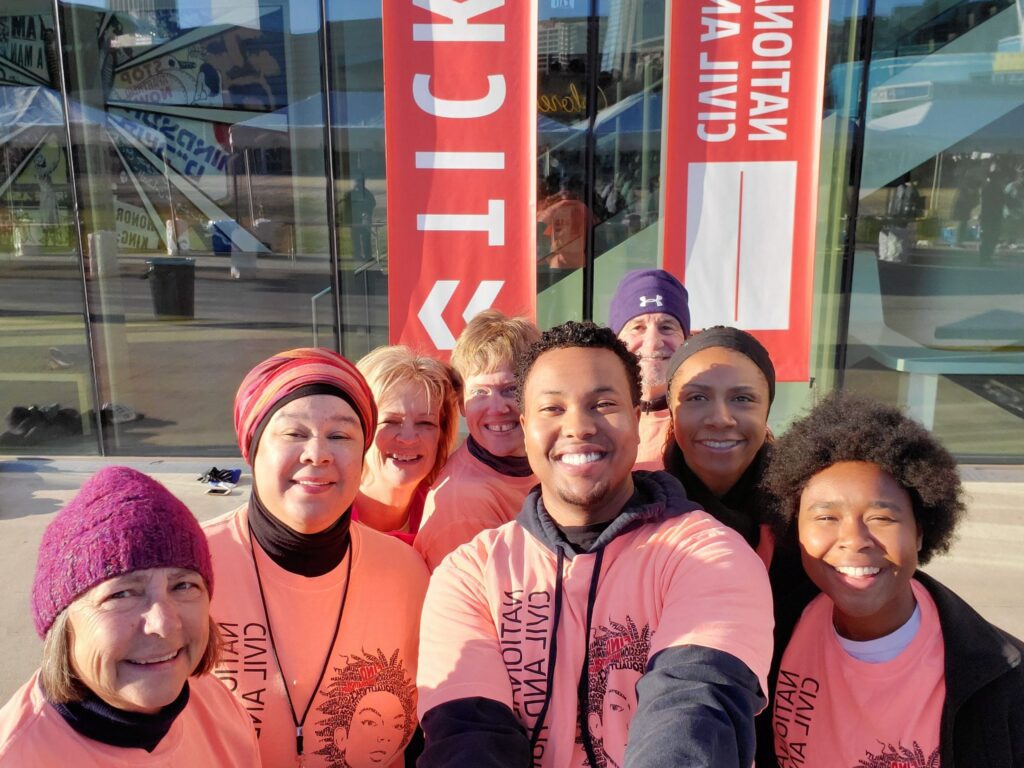
April is Global Volunteer Month and National Volunteer Week is April 19-25th. We want to give a shout to our amazing volunteers who always bring their warmth, empathy, and expertise to the Center. From our reopening in November 2025 to March 2026, our volunteers have given 1,807 hours of service, lending indispensable support to the Center at a critical and busy time. According to Independent Sector, the current estimated national value of each volunteer hour is $34.79, giving their total sum of hours a value of $62,875. We thank each volunteer for giving their time to the Center. You are all greatly appreciated! We are highlighting three amazing volunteers who all started with us at the reopening of the Center: Jason Adeyemi, Robbye Bell, and Karen Singleton. All three of them have earned the NCCHR Bronze Medal for Volunteer Service, having completed at least 100 hours of volunteer service (or 50 hours for teens/juniors). Jason Adeyemi Jason Adeyemi, a high school student, volunteers at the Center because “the center brings powerful stories to life, showing how past struggles for justice and equality continue to influence opportunity and access today. I enjoy helping visitors engage with these connections and think critically about how history impacts the systems that shape our world.” Jason Adeyemi is a co-founder of The Shoeless Ones, a non-profit organization that collects and distributes gently worn athletic shoes to players in youth soccer leagues in the United States and Nigeria. Through this initiative, he’s given over 850 pairs of shoes while leading and organizing donation drives. He also volunteers at the Gwinnett Public Library, where he offers support for children’s programming. He’s an avid soccer player, competing at the highest level through MLS Next with Atlanta United FC’s Academy. Robbye Bell Robbye Bell started as a retiree looking for volunteer opportunities and was intrigued by the prospect of serving at the Center. Robbye says, “I thought that could be interesting. But I never realized what an opportunity and experience it would be. Being surrounded by my past and history that is in this building is truly amazing.” She had previously volunteered for the Atlanta Public School System’s “Everyone Wins” reading program, helping students improve their reading skills. “Volunteering has been a heartwarming experience: creating new bonds and friendships and forging lifelong connections.” Robbye’s excellent customer service skills and dedication to service ultimately led to her being hired. She currently works for our Events department as an Events Assistant. When she’s not working, she enjoys interior design, gardening, learning the piano, and baking. Karen Singleton Karen Singleton heard about volunteering at the Center through a friend, and she’s been a mainstay ever since. Karen loves to interact with our guests and staff while also being surrounded by history. She volunteers for many organizations, including the Bronze Lens Film Fest of Atlanta. Karen says, “Each day that I show up to serve brings me great joy. There is nothing more rewarding than being surrounded by history and connecting with guests to hear their incredible stories.” She has a deep passion for civic service. “I have a servant’s heart; therefore, my daily goal is to be a source of help, inspiration, and warmth to the people I interact with.” When she’s not volunteering, she has many hobbies she shares with her family, including roller skating, bowling, card games, and board games. If you are interested in becoming a volunteer with the National Center for Civil and Human Rights, you can learn more here and apply. We also have volunteer opportunities for corporate groups. Please reach out to Kelly Crosby at [email protected].
The National Center for Civil and Human Rights LaunchesAtlanta’s Newest Children’s Play Space on April 25

Change Agent Adventure: Children’s Gallery invites young visitors into a hands-on experience focused on fun, creativity, and community ATLANTA (April 18, 2026) – The National Center for Civil and Human Rights today announced its newest experience – a gallery designed specifically for children ages 12 and under – will open on Saturday, April 25. In Change Agent Adventure: Children’s Gallery, young visitors take a magic elevator to a secret headquarters – an immersive play space where children use collaboration, creativity, and dancing to practice civic skills. Through a series of missions and challenges, kids – and the former kids who accompany them – create change agent badges and hats, engage in challenges with one another, and explore what it means to participate in their communities. The gallery includes a silent disco, an arcade, and multiple hands-on activity zones designed to keep children moving, creating, and participating. “We wanted to help kids tap their own power to influence the world around them,” said Jill Savitt, President and CEO of the National Center for Civil and Human Rights. “Change Agent Adventure gives children a place to practice their innate skills of empathy and fairness and see the roles they can play in the wider world.” The Children’s Gallery is the final gallery to open as part of the Center’s $58 million expansion. Along with five other new galleries, an updated civil rights gallery, and three classrooms, the Center has significantly increased its capacity to serve families, students, and educators across the region. The new children’s gallery is made possible by the generosity of Liz Blake; her sons Addison, Asher, and Taylor Lanier; Maggie Blake Bailey; and their families. “Every child can make a difference in the world around them,” said Liz Blake. “This gallery allows children to recognize that their voices matter—that fairness, empathy, and courage aren’t abstract ideas, but skills they already carry and can use.” Along with a children’s gallery, the Center is introducing “Saturday Adventures,” a weekly program for children, families, and groups. Activities include story time, art projects, films, and rotating mystery activities—providing families with new reasons to return each week. To support younger visitors, the Center has also developed a family guide that outlines morethan two hours of activities throughout the museum. The map is designed to help families and youth experience accessible content in all the galleries. Additional enhancements at the Center include a new café and store, with merchandise,pastries, beverages, sandwiches, and ice cream. The National Center for Civil and Human Rights currently serves more than 50,000 children annually through its education programs. The addition of a children’s gallery expands the Center’s ability to reach younger audiences, including elementary schools, youth organizations, and summer camps with spaces and content specifically for them. The curator of the Change Agent Adventure is Liba Beyer, a human rights expert who worked at Human Rights Watch for two decades. The exhibit was designed by Atelier Brückner. Tickets are now available. With opening demand already high ahead of the April 25 opening,advance tickets are strongly recommended. For more information, visit https://www.civilandhumanrights.org/change-agent-adventure/ ### About the National Center for Civil and Human Rights The National Center for Civil and Human Rights is a museum and cultural organization that inspires the changemaker in each of us. Opened in 2014, the Center connects US civil rights history to global human rights movements today. Our experiences highlight people who have worked to protect rights and who model how individuals create positive change. For more information, visit civilandhumanrights.org. Follow us on Facebook, TikTok, Instagram, YouTube, and LinkedIn @civilandhumanrights. Media Contact:Tenisha GriggsChief Marketing [email protected]
Ethical Footprint and Human Rights: How Our Choices Shape a Just World

April is a time to reflect on environmental awareness and to explore how our daily choices impact human dignity. At the National Center for Civil and Human Rights, the concept of an ethical footprint encourages us to look beyond the surface. Every product we use has a story—one that involves people, labor, and the environment. What Is an Ethical Footprint? An ethical footprint considers the full impact of how goods are made—from sourcing materials to production and distribution. It prompts us to ask: Were workers treated fairly? Were natural resources protected? Will these practices support future generations? Ethical consumerism in agriculture provides a compelling example. Food production is closely linked to human rights issues like fair wages, safe working conditions, and access to resources. Scholars describe ethical consumerism as choosing products that advance social and environmental responsibility (Greene, 2024; Safdie, 2025). This perspective connects everyday purchases to broader values of justice and equity. From Global Agriculture to Everyday Choices In Colombia, agriculture supports millions of families, yet climate change is disrupting this essential system. Rising temperatures, unpredictable rainfall, and soil degradation threaten both livelihoods and food security. In response, the country launched the Agroalimentaria Sostenible (CAS) project to promote sustainable farming, build climate resilience, and support small producers. This work shows how environmental issues and human rights are deeply connected. Protecting the land also protects the people who depend on it. When farmers have access to fair markets and sustainable tools, communities become more stable and resilient. Bringing the Ethical Footprint to Life At the National Center for Civil and Human Rights, visitors can engage with these concepts through the Ethical Footprint Traveling Trunk. This interactive exhibit examines everyday items—like chocolate, cell phones, and flowers—to reveal the hidden human costs behind them. By interacting with these objects, participants begin to see how global systems connect to personal choices. What we buy, use, and consume can either reinforce or challenge systems of inequality. Understanding your ethical footprint is a powerful step toward meaningful change. Environmental awareness is not just about protecting the planet—it’s also about protecting people. When we recognize how our choices affect others, we become better equipped to act with intention and care. Education leads to awareness. Awareness leads to action. By exploring the connection between ethical footprint and human rights, we can all play a role in building a more just and sustainable future.
Kidspiration 2026 Brings Family-Friendly Theatre to the National Center for Civil and Human Rights

ATLANTA, GA — The National Center for Civil and Human Rights will welcome families and young audiences for Kidspiration 2026, a special program designed to inspire curiosity, creativity and conversation through engaging experiences for children. The program will feature the Atlanta premiere of Sherri and the Unfairies, a fantastical new musical comedy running April 7–10. Made possible through a PNC Foundation grant, Kidspiration invites children and families to explore big ideas through storytelling, imagination and play. This year’s program centers around a lively theatrical performance that offers a joyful experience for children while reinforcing the Center’s broader mission of encouraging reflection on fairness and human dignity. Created by Elliot Thomson and Peter K. Hirsch –part of the creative team behind beloved children’s programming including Arthur on PBS and Hop on HBO Max — Sherri and the Unfairies follows Sherri, a fearless 7-year-old who journeys to an imaginary land where she faces the mischievous Unfairies — Gimmy, Takey, Mimi and Yup. Along the way, Sherri encounters challenges that reveal how fairness, understanding and compassion shape the way we live together. “All of us at PNC recognize that an investment in our region’s youngest citizens is an investment in the future of our community,” said Samantha Jones, PNC regional president for Georgia. “We look forward to seeing the impact of this program and the engagement it will foster among Atlanta families.” PNC and the National Center for Civil and Human Rights have a longstanding relationship, with PNC supporting the Center from its founding through its growth and expansion. The collaboration helps ensure that programs like Kidspiration remain accessible to families and provide meaningful learning opportunities for young visitors across the community. Timed to coincide with Atlanta-area spring break, Kidspiration 2026 offers families a unique opportunity to experience the Center together through engaging programming designed especially for children. Families who plan to attend multiple performances or return throughout the year may also consider becoming members of the National Center for Civil and Human Rights. Membership includes unlimited museum visits, discounted admission for special programs and events and exclusive opportunities to engage more deeply with the Center’s programs and exhibits. Performance Schedule Tuesday, April 7 — 11 a.m. and 6:30 p.m. Wednesday, April 8 — 11 a.m. and 2 p.m. Thursday, April 9 —11 a.m. and 2 p.m. Friday, April 10 — 11 a.m. and 2 p.m. Creators, Writers, Producers: Elliot Thomson & Peter K. Hirsch Director and Producer: Nikki Toombs Curriculum Creator: Martha Minow Tickets and additional information are available at civilandhumanrights.org. About The PNC Foundation The PNC Foundation, which receives its principal funding from The PNC Financial Services Group, Inc. (NYSE: PNC) actively supports organizations that provide services for the benefit of communities in which it has a significant presence. The Foundation focuses its philanthropic mission on early childhood education and community and economic development, which includes the arts and culture. Through PNC Grow Up Great®, its signature cause that began in 2004, PNC has created a bilingual $500 million, multi-year initiative to help prepare children from birth to age 5 for success in school and life. For more information, visit PNC Foundation. About the National Center for Civil and Human Rights The National Center for Civil and Human Rights is a museum and cultural organization that inspires the changemaker in each of us. Opened in 2014, the Center connects US civil rights history to global human rights movements today. Our experiences highlight people who have worked to protect rights and who model how individuals create positive change. For more information, visit civilandhumanrights.org. Follow us on Facebook, TikTok, Instagram, YouTube, and LinkedIn @civilandhumanrights.
Dorothy Height and the Power of Black Women’s Leadership
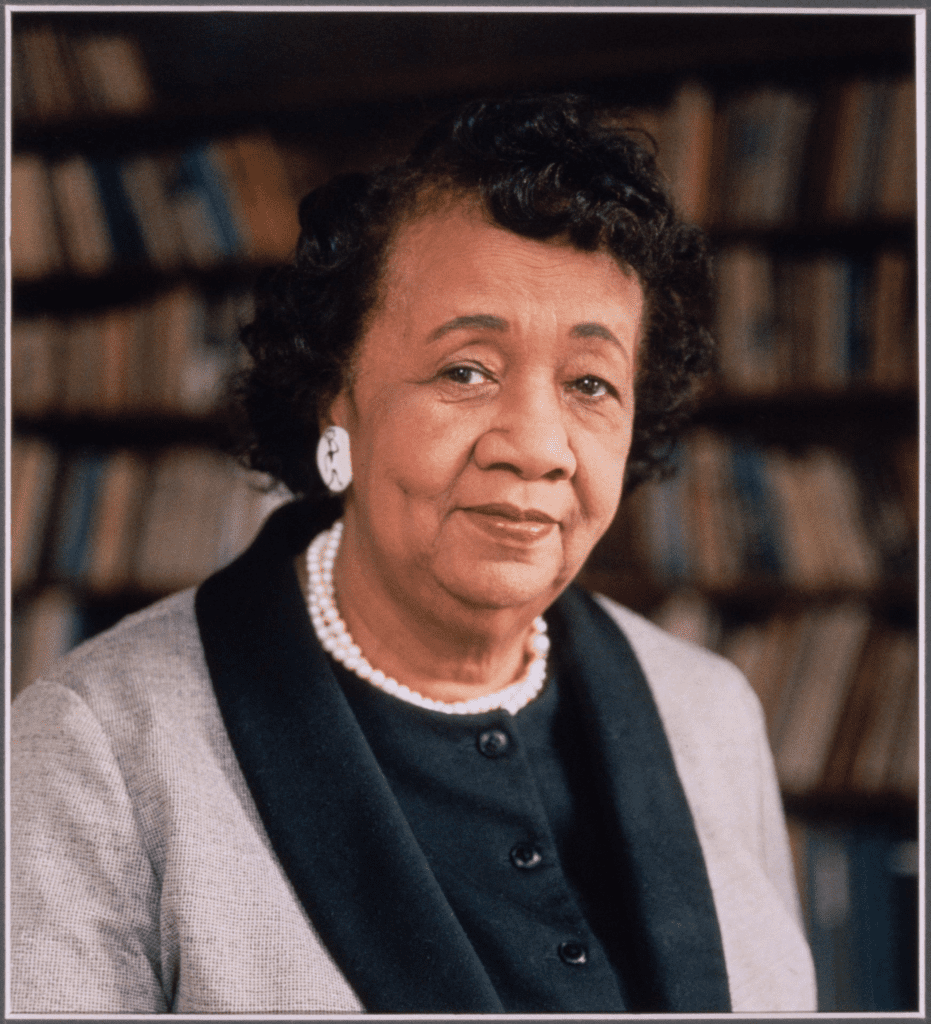
Dorothy Height stands as a towering figure both in civil rights leadership and as a defender of human dignity. Her life is a testament to the power of steady, strategic vision in shaping movements and uplifting communities for generations. This Women’s History Month at the National Center for Civil and Human Rights, we honor her enduring legacy and explore why her work remains vital today. A Bridge Builder in the Movement Often called the “godmother of the civil rights movement,” Dorothy Height led the National Council of Negro Women for over 40 years, expanding its influence nationwide. She collaborated with icons like Martin Luther King, Jr., Whitney Young, and A. Philip Randolph, developing strategies that advanced racial and economic justice. Height played a pivotal role in organizing the 1963 March on Washington for Jobs and Freedom. Though women were granted speaking roles, she was a powerful force behind the scenes, ensuring women’s voices and concerns were always represented. Championing Women and Youth Height’s leadership was ahead of its time, rooted in intersectionality before the term was widely known. She recognized that race and gender discrimination were intertwined, and through the National Council of Negro Women, launched initiatives supporting education, voter registration, and economic empowerment. The National Park Service notes that Height co-founded “Wednesdays in Mississippi,” a program uniting Black and white women during the Civil Rights Movement to foster dialogue and grassroots activism. She believed that lasting change grows from collaboration, empathy, sustained effort, and the cultivation of young activists to carry the fight forward. Why Her Leadership Still Matters Today, the push for equity, representation, and opportunity continues. Height reminds us that movements are built not just by luminaries at the podium, but by those who do the gritty work of organizing, mentoring, and building institutions behind the scenes. Her example calls us to support collective progress in our own communities. Leadership isn’t always loud—it’s often patient, strategic, and dedicated to lifting others. As we continue our Women’s History Month series, we invite you to visit the National Center for Civil and Human Rights to learn more about trailblazers like Dorothy Height. Her story, like so many others in our galleries, inspires us to advance justice with courage, collaboration, and hope. Source Links: https://www.womenshistory.org/education-resources/biographies/dorothy-height https://www.biography.com/activist/dorothy-height https://www.nps.gov/features/malu/feat0002/wof/Dorothy_Height.htm https://naacp.org/resources/naacp-honors-life-dr-dorothy-irene-height