When people think about the civil rights movement, they often envision African Americans spearheading sit-ins, boycotts, and marches in the South. While that history is essential, it is only part of the story. Latino communities have long fought for equal access to education, fair working conditions, voting rights, and legal protection. Throughout the 20th century, activists, students, workers, veterans, and community leaders organized to challenge discrimination and expand opportunities for future generations. From groundbreaking court cases that challenged school segregation to labor movements that demanded dignity for farmworkers, Latino civil rights leaders helped shape the nation’s ongoing pursuit of justice. Their achievements continue to influence conversations about equality, representation, and human rights today.
Sylvia Mendez and the Fight for Equal Schools
In 1943, seven-year-old Sylvia Mendez was turned away from a school in Westminster, California, because she was Mexican American. Her parents, Gonzalo and Felicitas Mendez, joined other families and sued based on discrimination due to lineage (not race). While Mexican Americans at the time were considered legally ‘White’, they were still discriminated against, economically and socially, and were isolated from affluent and white communities because of their heritage. The lawsuit alleged that the school districts conspired with each other to prevent and segregate Mexican American children solely because they were of Mexican or Latin descent.
In 1947, the federal courts ruled in Mendez v. Westminster that separating Mexican American students was unconstitutional. The decision came seven years before Brown v. Board of Education and helped lay crucial legal groundwork. Sylvia Mendez’s hard work in the fight for equal access to education earned her the Presidential Medal of Freedom in 2011.
Dolores Huerta and César Chávez: Organizing Farmworkers
In 1962, Dolores Huerta and César Chávez founded the National Farm Workers Association, later known as the United Farm Workers. At the time, many farmworkers faced low pay, unsafe conditions, and few legal protections. Through strikes, boycotts, and peaceful marches, the organization drew national attention to their struggle. Huerta also popularized the rallying cry “Sí, se puede,” which translates to “Yes, We Can.” Huerta received the Presidential Medal of Freedom in 2012 for her lifetime of advocacy in the American Labor and civil rights movement.
Dr. Hector P. Garcia and the 14th Amendment
Civil rights leaders like Dr. Hector P. Garcia carried this hard work forward.
In 1948, Garcia founded the American GI Forum, a veterans’ advocacy group to help Mexican American veterans secure equal treatment. In 1954, attorneys supported by AGIF argued and won Hernandez v. Texas in the U.S. Supreme Court. This decision ruled that the Fourteenth Amendment protects Mexican Americans and all other nationality groups from discrimination.
The Shared Fight that Connects Us All
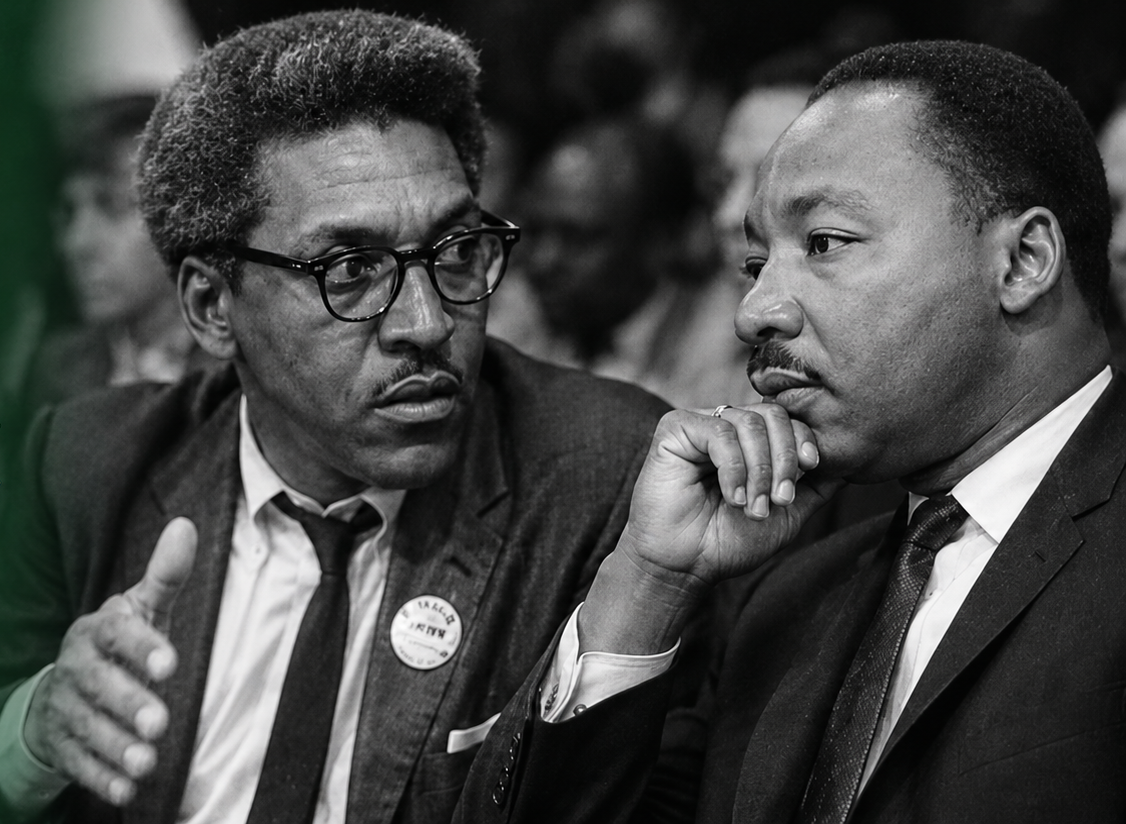
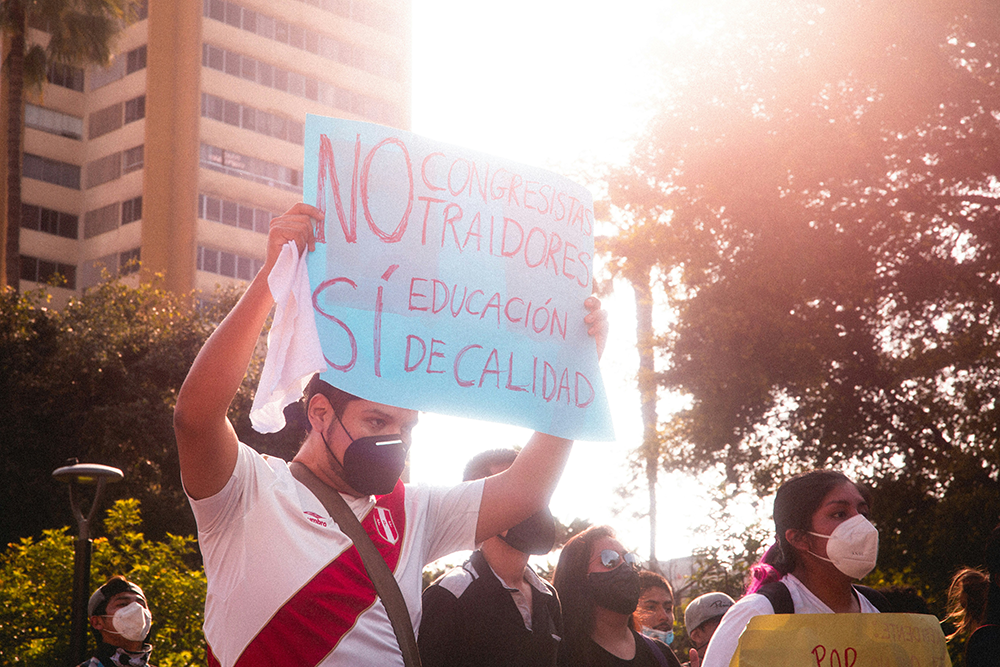
Learning about Latino civil rights leaders helps us see the full picture of American history and the ongoing work of building a fair society. Their stories remind us that change often begins with ordinary people, from a young student to a farmworker, who refuse to accept unequal treatment. These leaders did not work in isolation. Their efforts echoed the broader civil rights movement, and they often stood with other communities. Chávez and Huerta organized alongside Filipino American farmworkers, and Chávez drew inspiration for his commitment to nonviolence from Dr. Martin Luther King, Jr. and Mahatma Gandhi. At the heart of each struggle was a human rights principle: every person deserves fair treatment, quality education, and safe work. To this day, those same principles still shape debates about immigration, workers’ rights, and equal access to schools.